








by Scott Ammerman
Quadratec Channel Correspondent
One of the greatest things about working on a Jeep is you do not really need a lift to get underneath it for many tasks. In fact, simple jobs like changing your own oil are almost easier to perform with the Jeep on the ground. I’ve had access to a lift or a full auto shop for most of my adult life, but when you are stuck at home, you do not have access to a lot of luxuries.
Still, when it comes to driveway or garage floor repair and maintenance operations, common sense safety practices should always be observed. Keep in mind, this is by no means a comprehensive list of all the perils of working on your own vehicle at home—just a few helpful tips from someone who has done it an awful lot.
Protect your eyes
They say eyes are the gateway to the soul, right? Well, they’re also very delicate.
Many Jeep upgrades require cutting and drilling. Even more involve crawling under your vehicle where fluids and debris can easily end up falling on your skin or clothing—or even worse, your eyes. These problems can range from inconvenient to downright dangerous, as any person who has had to visit an emergency eye wash station, or eye surgery center, can tell you.
While drilling, safety glasses are highly, highly recommended, and will provide 'cheap insurance' against most issues. While grinding or running a cutoff wheel, an upgrade to a full-face shield is advisable. Home improvement superstores, and even your neighborhood hardware joint, are full of face and eye protection options—many offer great protection in the $8-$30 range. Look for 'ANSI standard' stampings or labels on all protective eyewear.
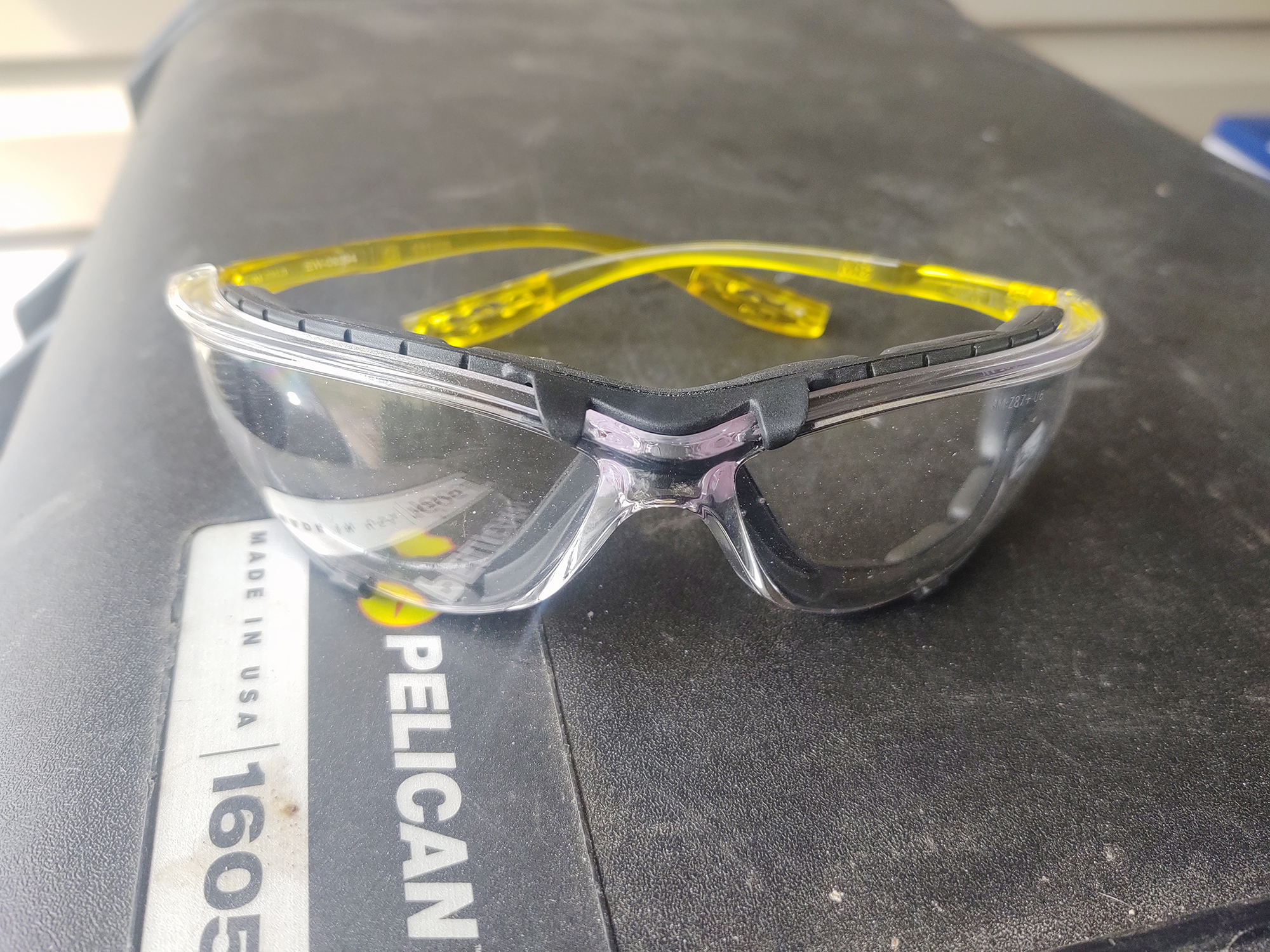
I don’t think anyone who has suffered any type of eye injury would tell you that’s not money well spent. I usually get a good 3M pair with a foam gasket around the edge of the frames. I’m not saying you have to wear safety eyewear every time you’re working on your Jeep, but a good pair of safety glasses will make it seem like less of an inconvenience. The cheap disposable ones that dig into the backs of your ears and make a line on your forehead are awful, but even these are better than no protection at all.
Trust me, the ‘safety squint’ isn’t really that safe. At all. If you get sharp metal debris in your eyes, seek immediate medical advice. Don’t try to walk it off, or rub some dirt on it. I have friends who didn’t follow this advice, and now have rust particles that permanently mess with their vision.
If you happen to splash your eyes with automotive fluids, this can quickly become a dangerous issue as well, and it can cause permanent vision damage in addition to attacking your central nervous system. Having a nearby eye wash solution is an excellent idea when working on your Jeep, but not getting that junk in your eyes is even better. Again, seek medical advice in cases of serious eye irritation, and remember that many ‘used’ automotive fluids are also carcinogenic. Be smart. And be careful.
Protect your hands
I know, wearing gloves sometimes makes ‘feeling your way’ through a repair procedure more difficult. I’ve always had difficulty starting bolts and holding on to smaller tools wearing mechanic style gloves. For other procedures, like handling sharp metal or protecting your knuckles from getting smashed when a stuck bolt breaks loose, gloves are a must-have.
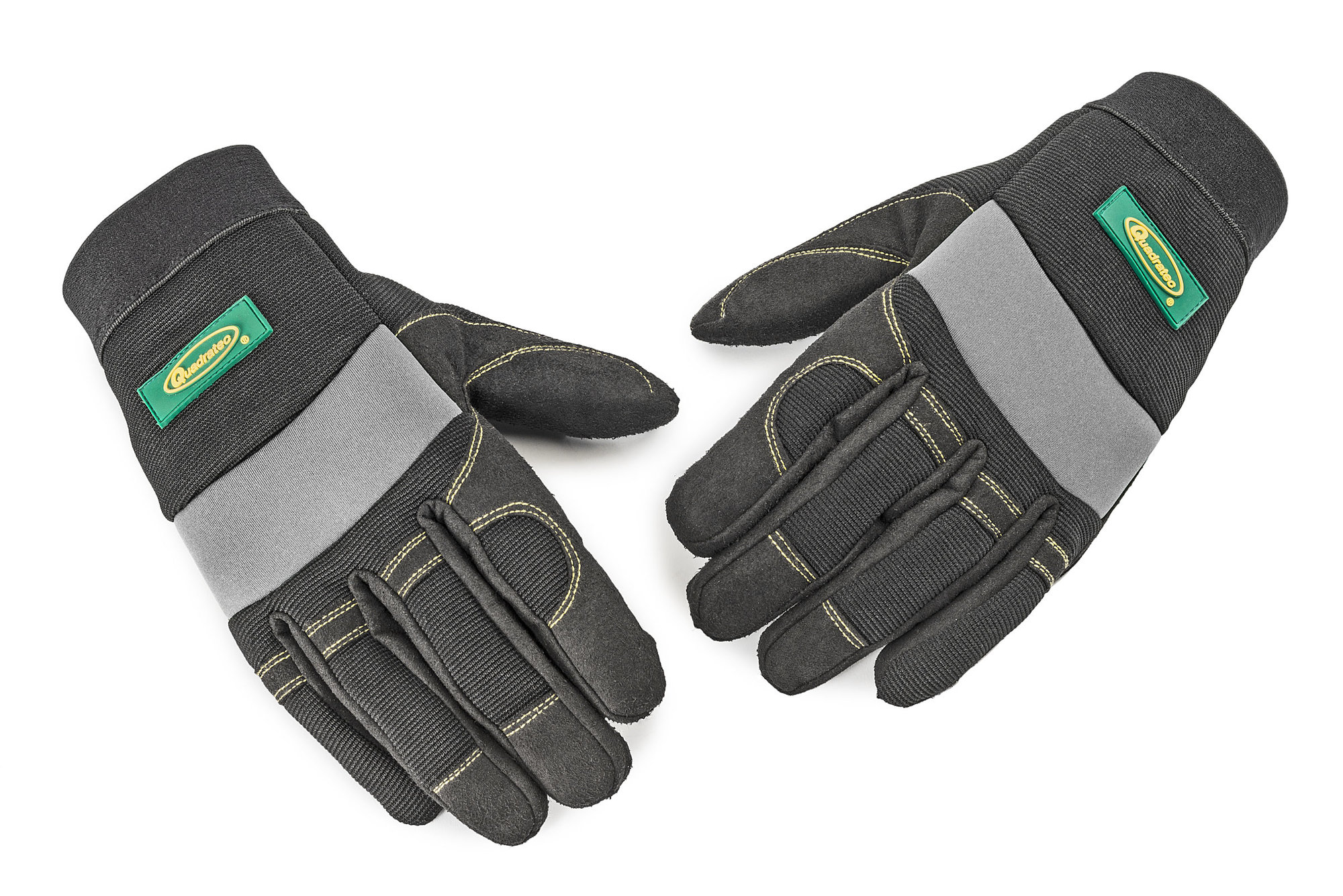
I always have a pair of Quadratec Mechanic Style Recovery Gloves on hand (Get it? Sorry) for tasks like that at the very least. The gloves are made of synthetic leather and neoprene, and are surprisingly durable for light duty wrenching. Because of their lightweight construction, they won’t last forever, but they will afford you a lot more dexterity than a heavier pair. When you are not using them, toss under your driver’s seat because if they’re easy enough to grab then you’ll be surprised how often they are useful.
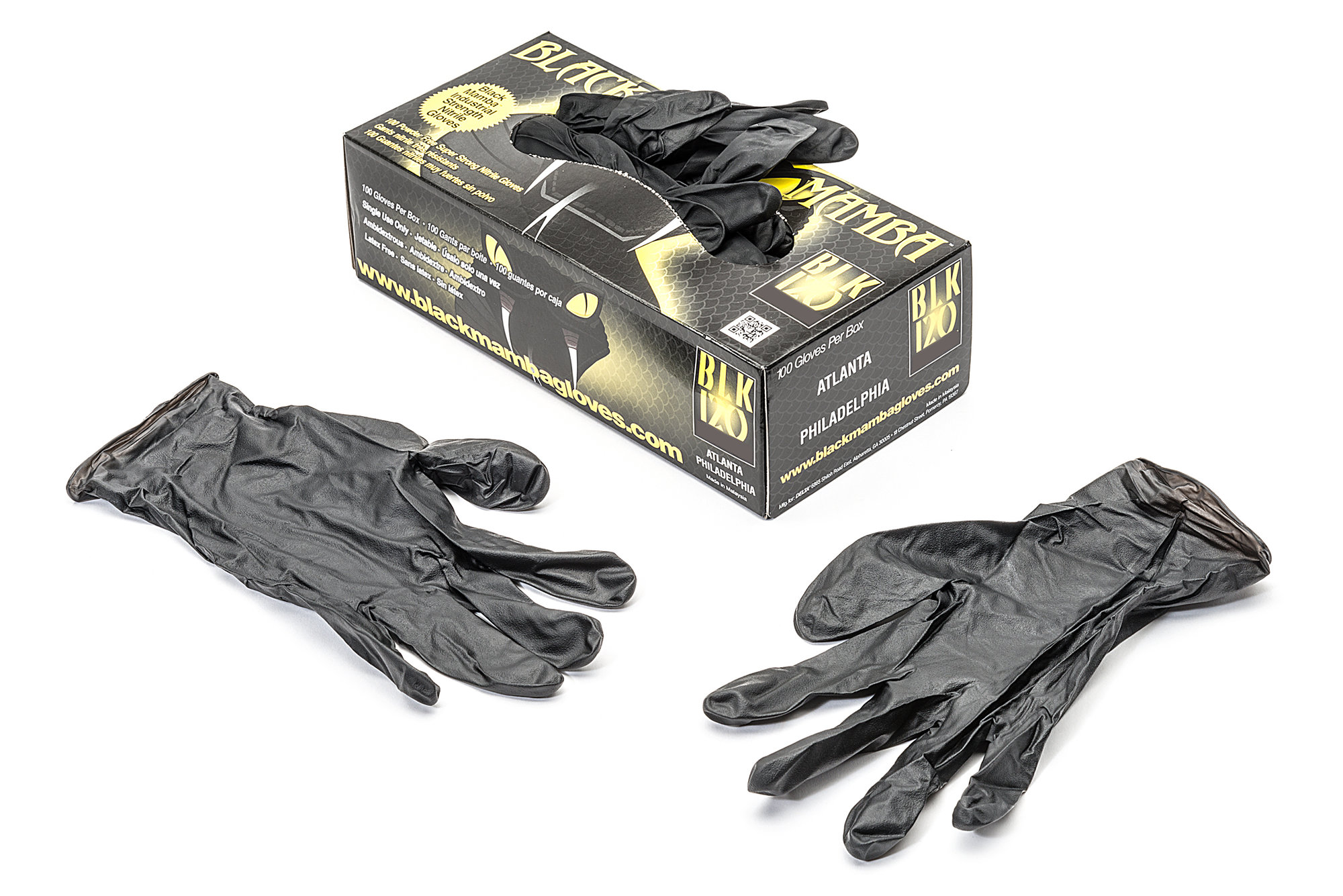
Besides mechanic gloves, I’ve also been wearing latex or nitrile gloves for years while working on cars. Some of the best ones available anywhere are the Black Mamba Nitrex Gloves. They come in five sizes (M-3XL) and are incredibly durable. In addition to keeping your hands clean, they offer a chemical barrier against many harsh automotive chemicals and fluids that you can come into contact with while working on your rig.
If you are doing things like grinding, cutting with a torch, or using a welder, then get the appropriate type of gloves for that kind of procedure. Gloves that aren’t heat resistant, like my two examples above, are not made for this kind of work, and can easily melt if subjected to extreme heat.
Protect your whole body by lifting safely
Having a stable floor jack is a great idea when doing driveway or garage mods, but make sure it is capable of lifting your Jeep as high as you want it to go. Additionally, be sure you use the jack on a solid and stable spot like a lower control arm mount, axle tube, the bottom of a differential housing or the frame itself when lifting.
Vehicles falling, or rolling, off of perfectly functional jacks are a huge source of injuries to even the most skilled mechanics. So take your time and make sure the vehicle is secure before starting any project. If you notice, almost any time you have product instructions that tell you to lift your Jeep, it says make sure you are ‘on a level and even surface’.
Many instructions also indicate that the vehicle should be in gear with the parking brake set (it should, anyway) but do not always mention that this will only lock the rear wheels on four-wheel-drive vehicles.
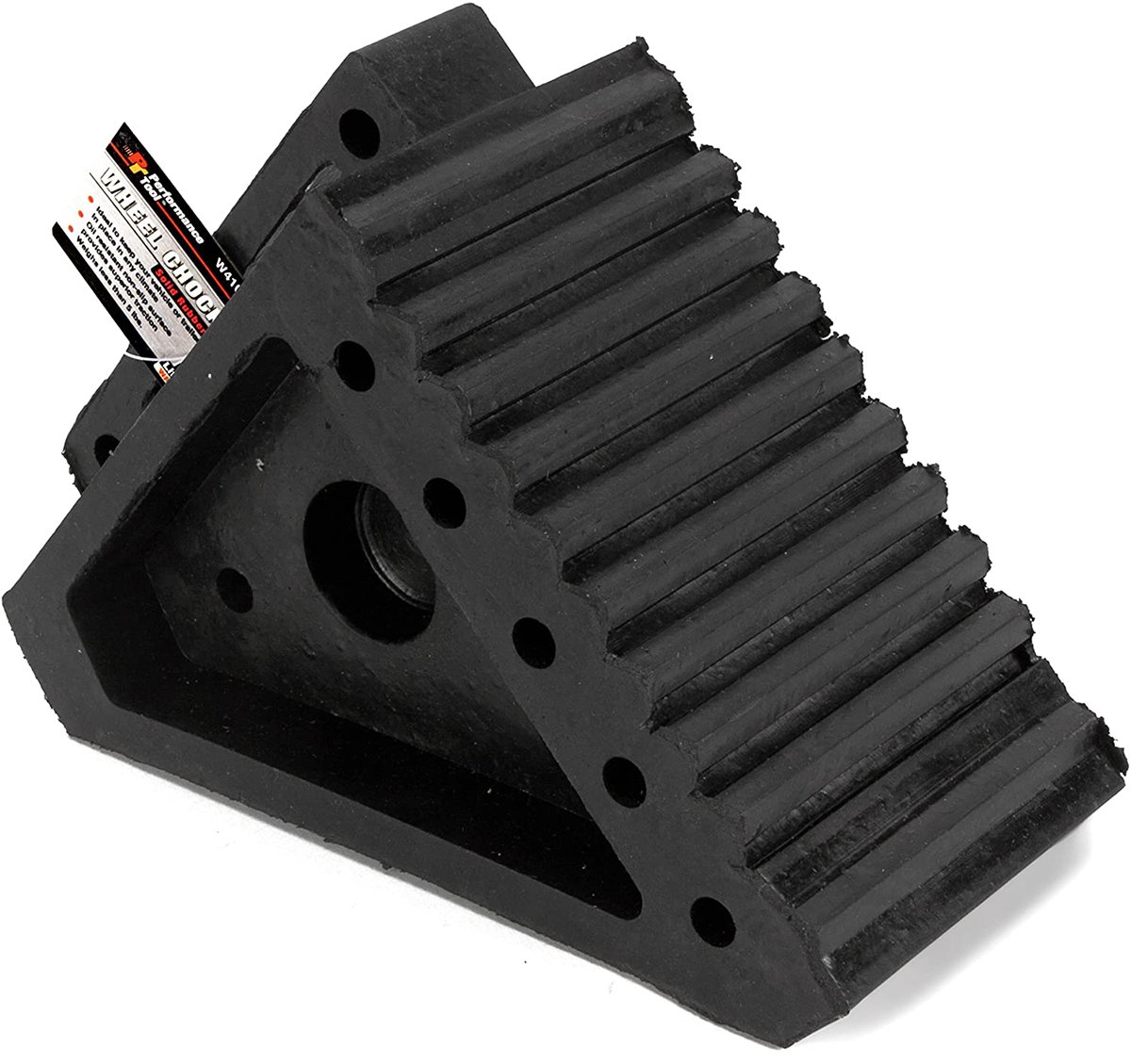
Chocking tires in both directions is always a good practice, as is having a very stable lifting device. And I cannot stress enough that being on a flat surface is incredibly important. Lifting the drive wheels off the ground with nothing keeping the Jeep from rolling away, or toppling the jack on an incline, is severely dangerous. Remember, this object you’re lifting can weigh more than two tons, and is DESIGNED to roll. Pay attention to your surroundings and be safe.
Very important note: Your jack is a lifting device, not a way to support the vehicle.
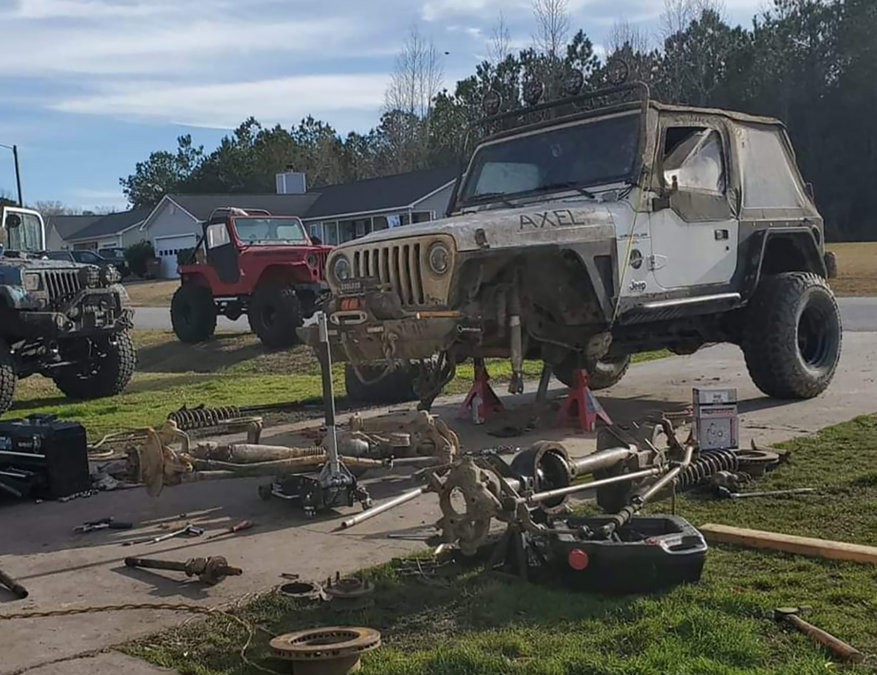
I also cannot stress enough the need for a set of quality jack stands. We carry the Performance Tool Six Ton Jack Stands that come in pairs and have two distinct advantages: they are way above the capacity you need to safely support your Jeep, but are tall enough to give you leeway on where they are placed. With a 15.5 in.-23.5 in. adjustable range, these jack stands can keep your Jeep safely supported for you to do work underneath it at a comfortable height—even if you’re fully removing an axle like in the picture at the top of this article.
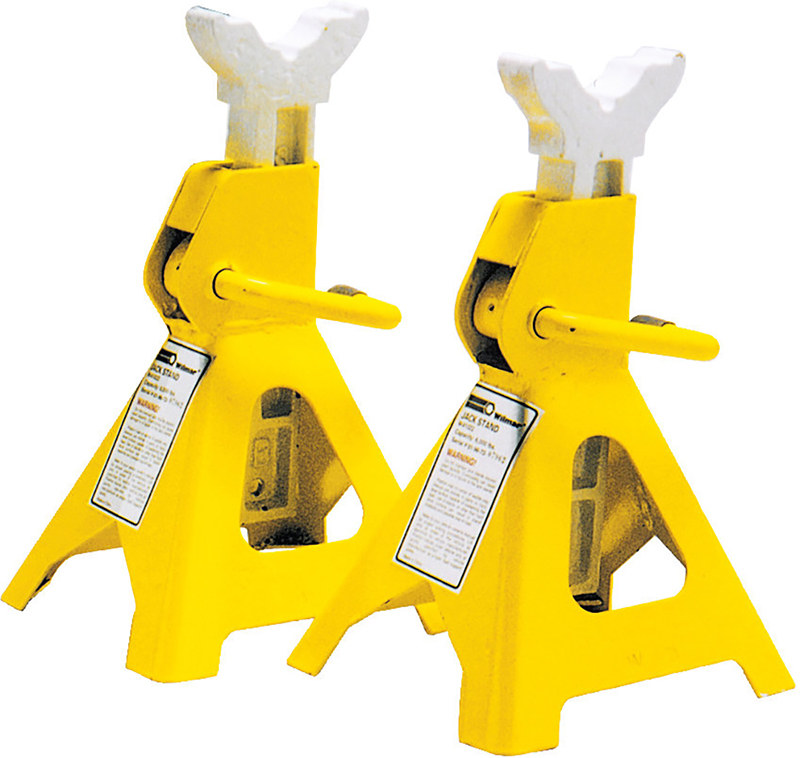
Could you get by with lesser-rated stands? Sure. I did with a pair of 2.5-ton jack stands for my first few years of Jeep ownership. However, they didn’t quite extend far enough to reach the frame, and had to be on the last notch (when they are at full extension and the most unstable) to touch the axle tubes once I installed 35-inch tires and a suspension lift. I was also pushing the weight rating after a while and had to use the pair every time.
For best lift and support practices, use the floor jack (safely) to lift up your Jeep, lower it onto the jack stands, and then raise it back up to provide a little more security (but not enough make the stands wobbly).
In summary, DO NOT put your legs, arms, head, torso, pets, lunch, etc., under your Jeep without it being firmly supported on stands. DO NOT trust your jack to support the Jeep alone, no matter how over-rated or amazing it is. Period.
Protect your work surface
If you’ve ever observed a car parked in the heat for a long time, you’ll notice that the tires can actually sink into the asphalt. Well, your jack and jack stands have a much smaller surface area and can sink in the summer heat much faster than that car. Putting plywood under your stands (or steel plates) will spread out the load a little better and keep sinking from happening in the short term.
Also, breaking down a large cardboard box (like the Quadratec one your new Jeep parts just arrived in) is a good way to keep your back out of the dirt, and allows a bit more protection from a small fluid leak than a ground cloth.
So good luck out there to everyone planning on some driveway or garage modifications. Remember—stay safe, have fun and learn some new stuff about your Jeep.