











by Matt Konkle
Managing Editor
Horace Greeley is often credited first for the saying ‘Go West, young man.’
Well, as we head into our third day on the way to Moab, Utah and the 58th annual Easter Jeep Safari, it isn’t exactly Manifest Destiny that is driving our trip.
And, let’s be honest here, we are not exactly young, either.
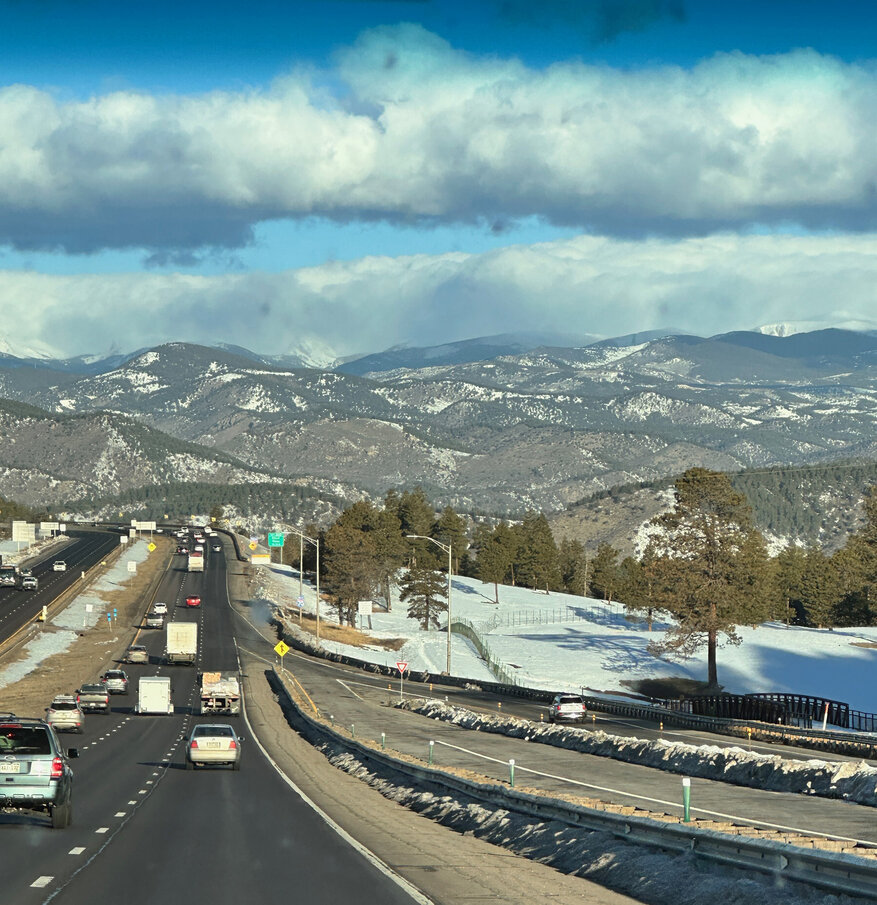
But we press forward towards Moab and leave Denver on a beautiful, sun-filled Friday morning. Apparently, we reached the city at the perfect time, as splotches of snow still lurked around from a previous storm just a few days earlier.
We first picked up I-70 Wednesday afternoon when it merged with the Pennsylvania Turnpike at Breezewood, then followed it west for almost 1,600 miles over hills and farmlands. However, this next stretch of I-70 from Denver to Grand Junction will be among the most scenic on the entire road trip.
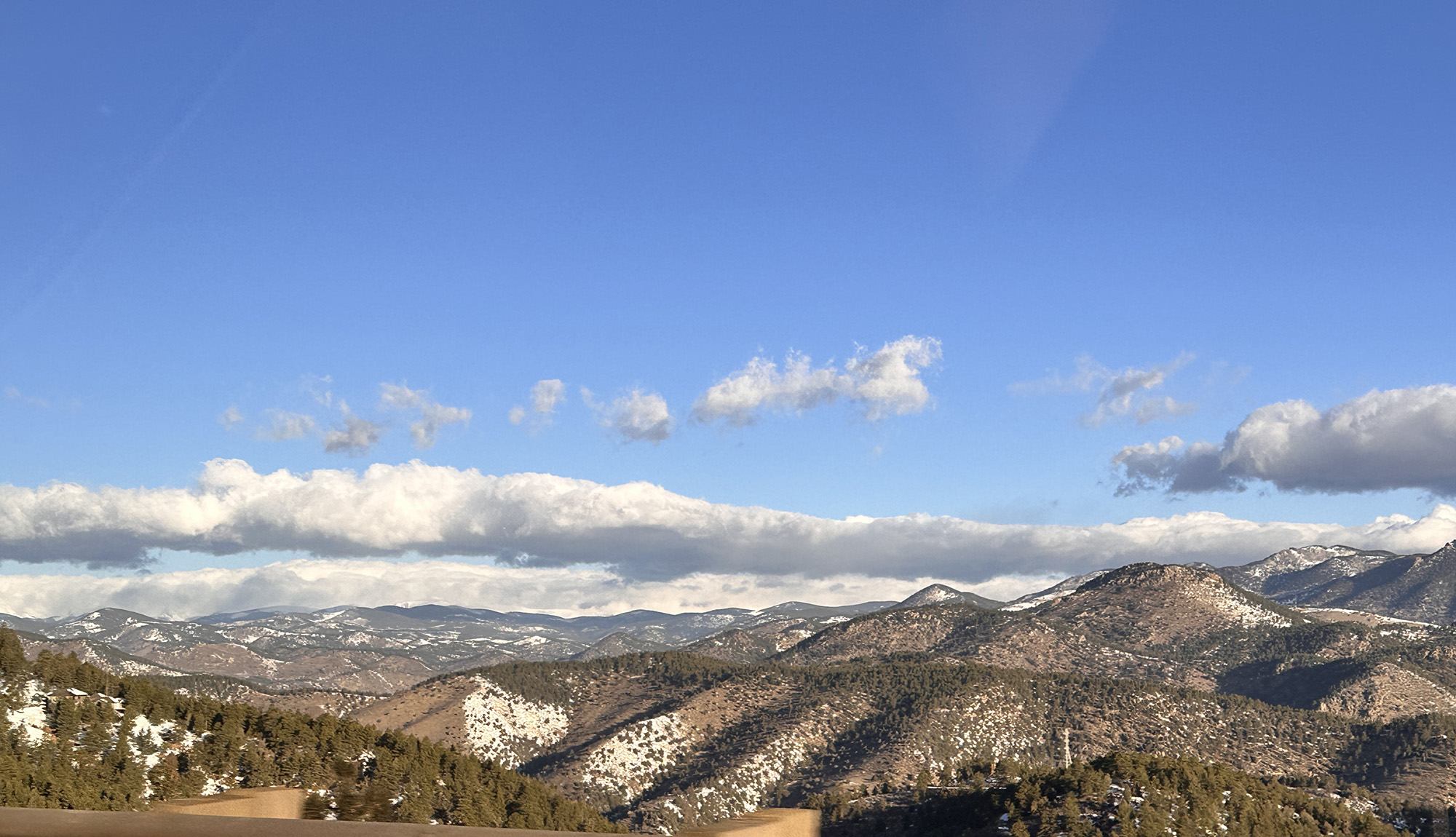
In fact, many say the highway from Denver to Grand Junction is about the best views you get anywhere on the United States’ Interstate Highway System.
From amazing mountain and canyon views in every direction, to iconic destinations like Vail, Breckenridge, Loveland and Silverthorne, it definitely fulfills its mantra as an engineering and panoramic marvel. Additionally, its Eisenhower/Johnson tunnels sit at 11,112 feet above sea level, making them the highest vehicular tunnels in the world.
Overall, the road stretches out about 235 miles, and includes a section past Glenwood Springs that is one of the most expensive rural highways per mile built in the United States. That 12-mile section through Glenwood Canyon completed construction in 1992 at a cost of $490 million – 40 times the average highway construction cost per mile.
Despite its cost, the entire project was considered an engineering marvel and won a 1993 award from the American Society of Civil Engineers.
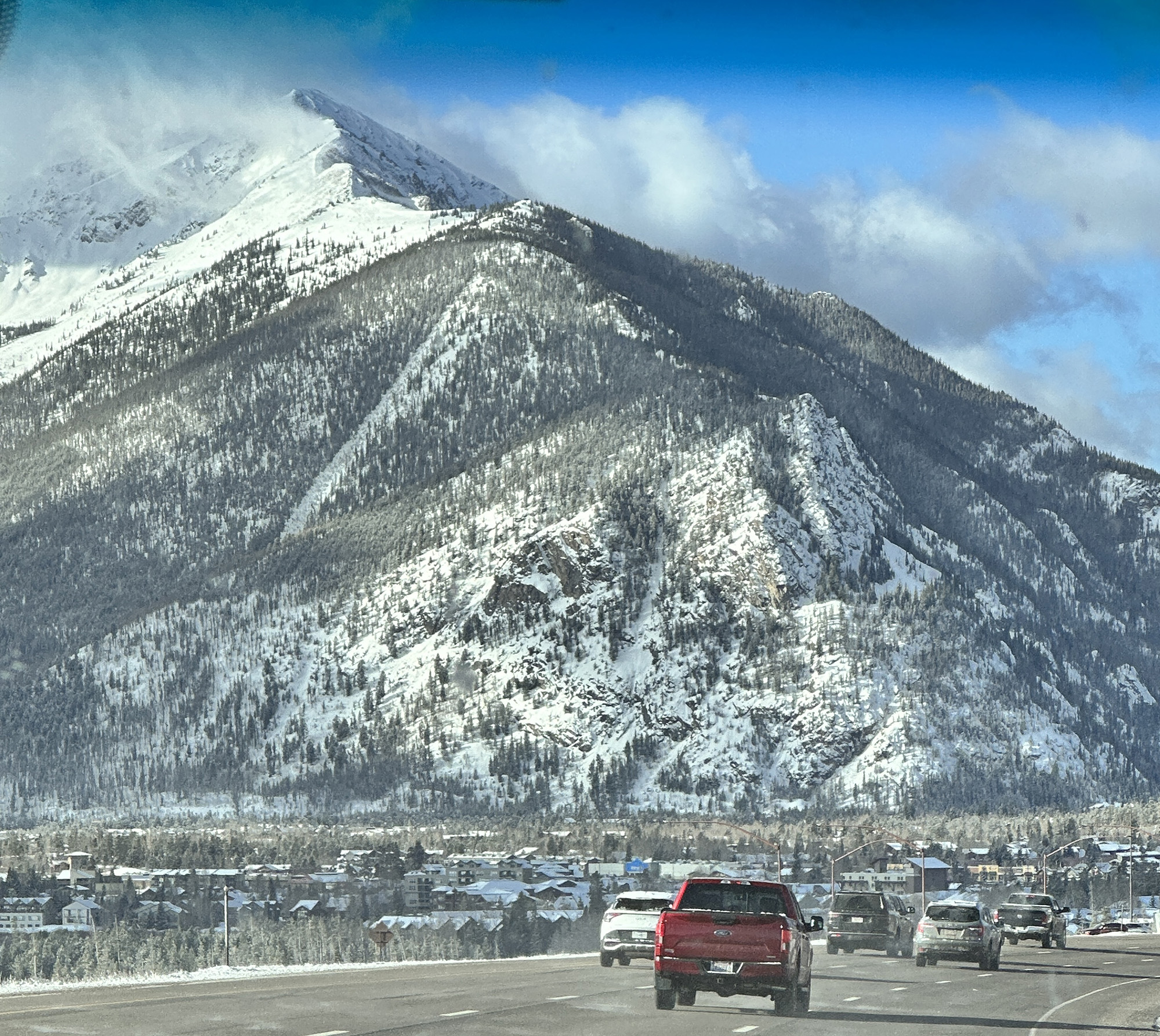
Like most who head towards Moab from the east, we’ve kept an eye on weather conditions in these mountains as they can change quite frequently, often making traveling quite difficult this time of year.
In fact, we had to change the route last year and head south to I-40 and through Oklahoma, Texas and New Mexico because of snowy conditions on I-70 in the mountains.
This year, conditions could not have been better. Plenty of sun, clear skies and very little wind.
All of it made the last section of our drive just one head turn after another because of the landscape, even though we’ve made the drive a bunch of times.
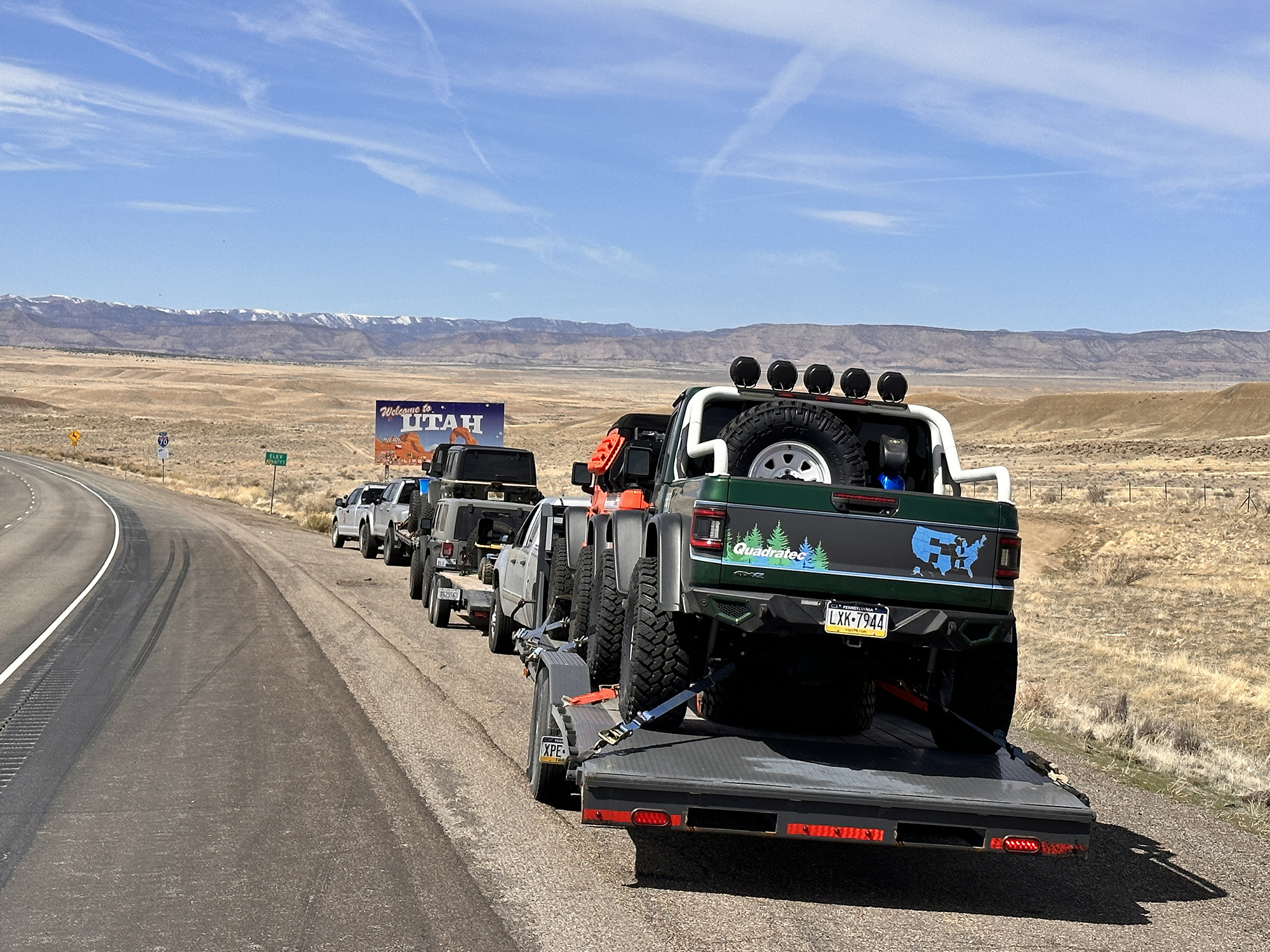
Early in the afternoon, we descended from those mountains and cruised past Grand Junction before crossing into Utah, where, like a lot of people, we stopped at the state sign for some quick pictures.
After the sign, a lot of people also directly head to Moab. However, we decided to make a right just before the dropout exit at US-191, and go see some rock art petroglyphs in Sego Canyon.
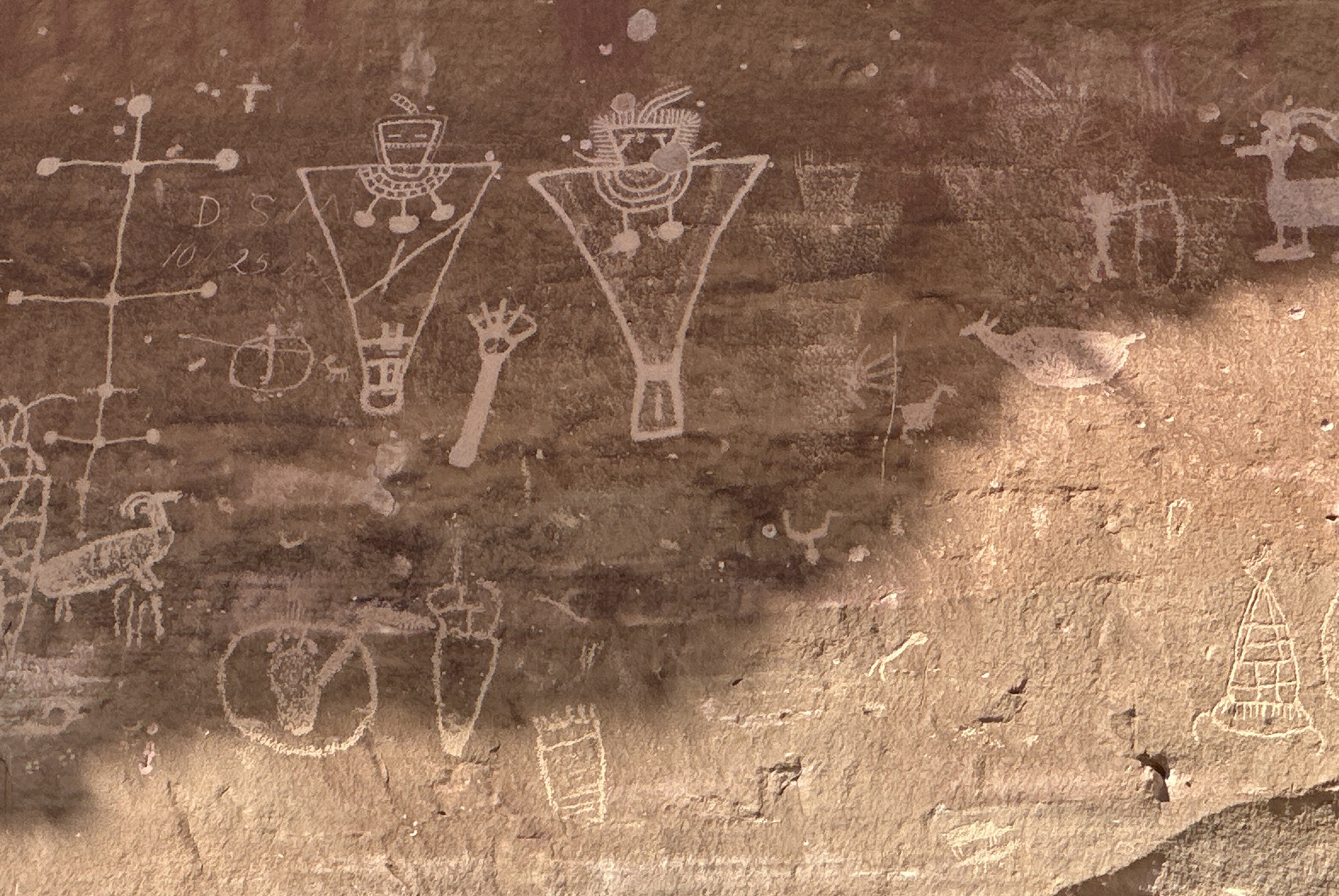
These Barrier Style, Fremont and Ute Indian images are among the area’s best and range in age from 2,000 to 6,000 years old – featuring three separate cultures and time periods.
Barrier Canyon Petroglyphs represent art created from about 6000 B.C to about 100 B.C. Fremont marks petroglyphs from 600 to 1250, while Ute Indian is considered from 1300 to 1880.
They all have different styles, ranging from larger-than-life forms to red-painted trapezoidal figures to more recent animal and human art with large circles that may represent shields.
We spent most of the afternoon marveling at many of these panels, and could have spent quite a bit more time as there is the remains of a ghost town further into the canyon as well as an abandoned coal mine.
But with the afternoon waning, we piled back into our truck and turned the wheel south on U.S. 191 towards Moab.
And shortly after, like so many do when the town comes into view, we get those goosebumps knowing a full week of Easter Jeep Safari adventures lie ahead.
Related Articles:
On The Road To Easter Jeep Safari 2024 — Day One and Two
Jeep Unveils Latest Batch Of 2024 Easter Jeep Safari Concept Renderings