
















by Matt Konkle
Torque Editor-in-Chief
Wanted — young, skinny, wiry fellows not over 18. Must be expert riders willing to risk death daily. Orphans preferred.
So went the advertisements, allegedly, for employment at The Pony Express, a revolutionary type of mail delivery service that operated from April 1860 to October 1861. It was also dangerous work, with many riders risking, their personal safety each time they left their respective stations.
All to get the mail from point A in the east to point B in the west just a little quicker.
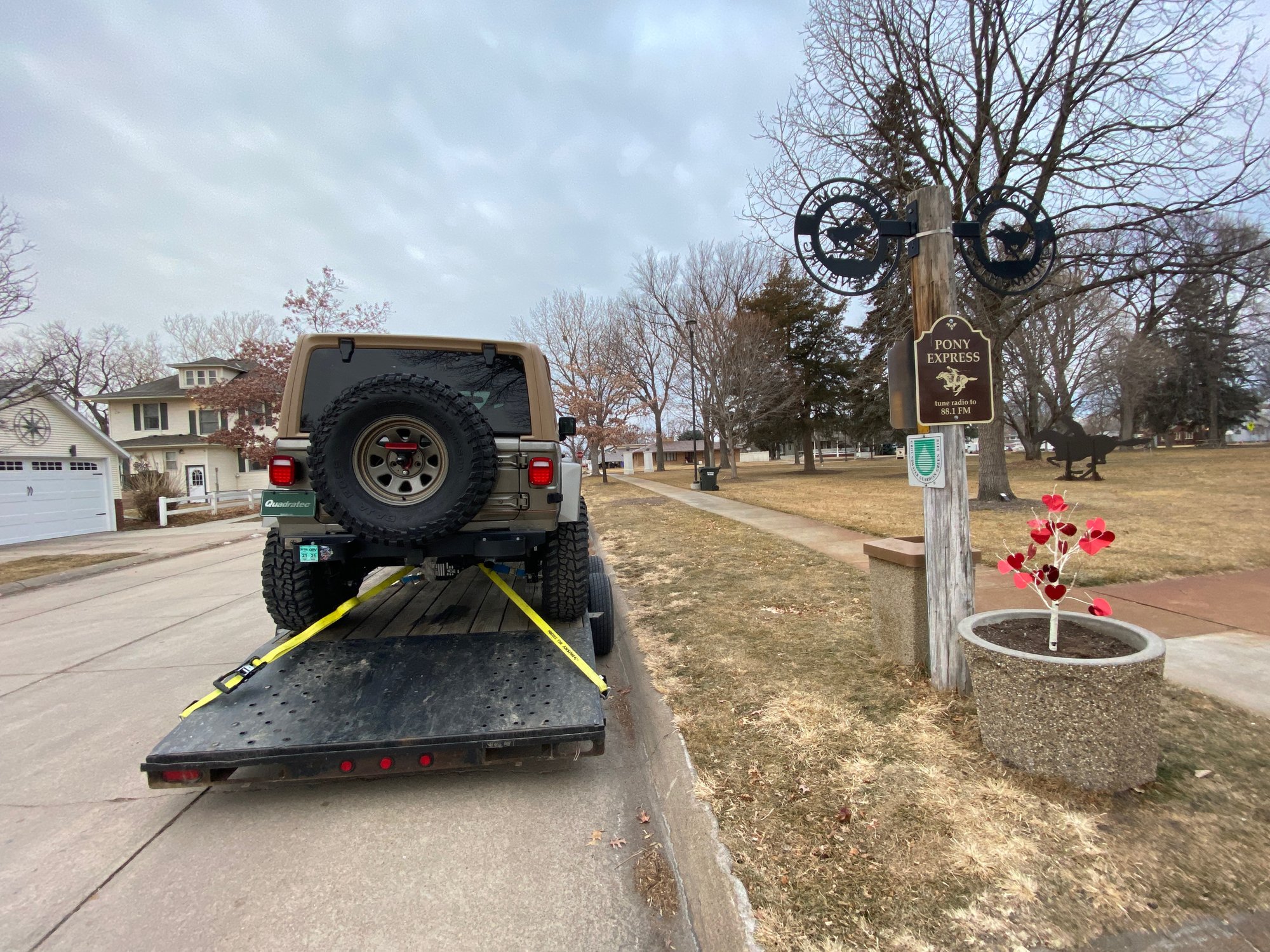
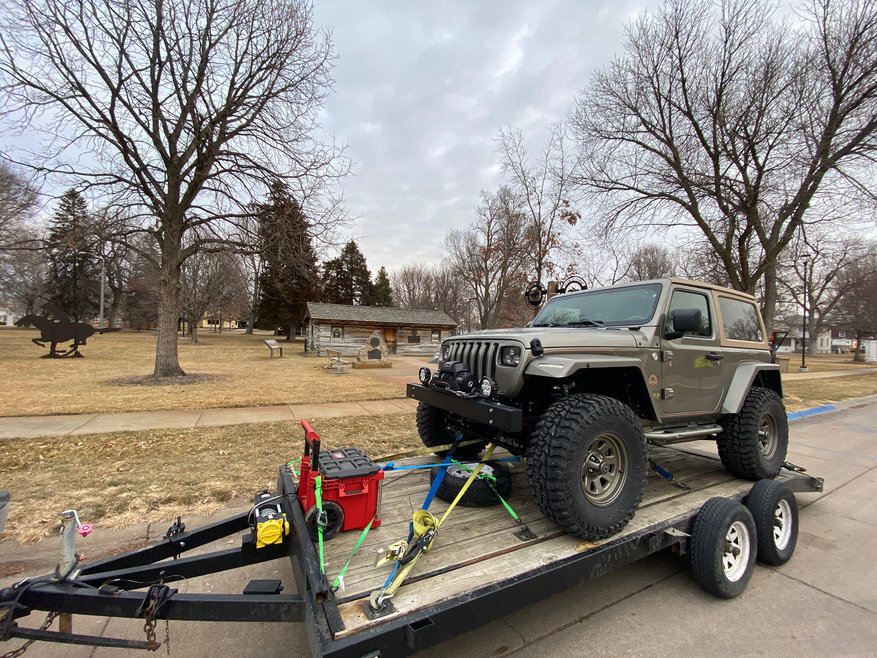
We rolled into Gothenburg, Nebraska just before noon Tuesday and followed the brown historical markers marking the town’s Pony Express Station through town and to the small, unassuming hut sitting nicely in an otherwise non-descript field.
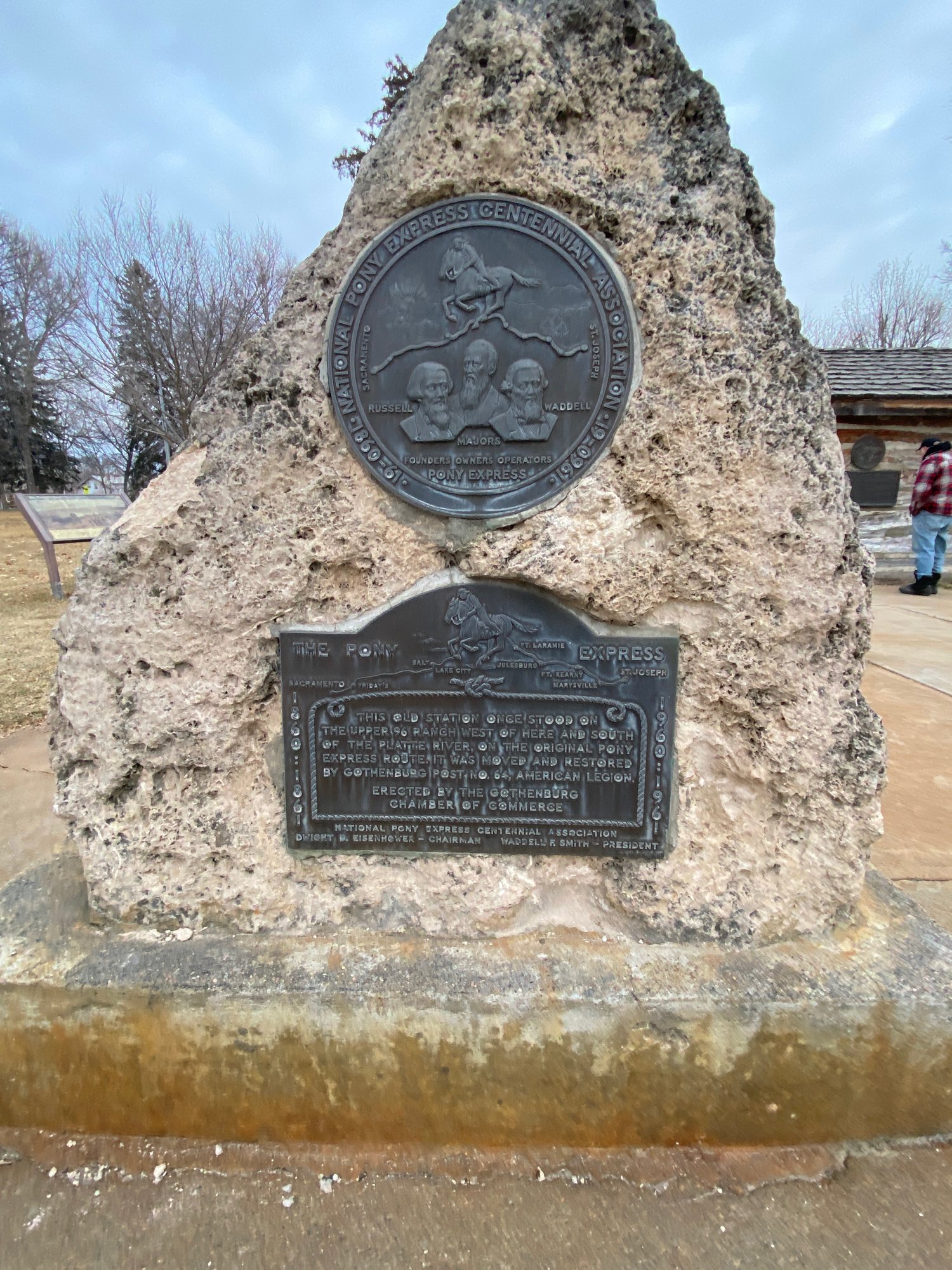
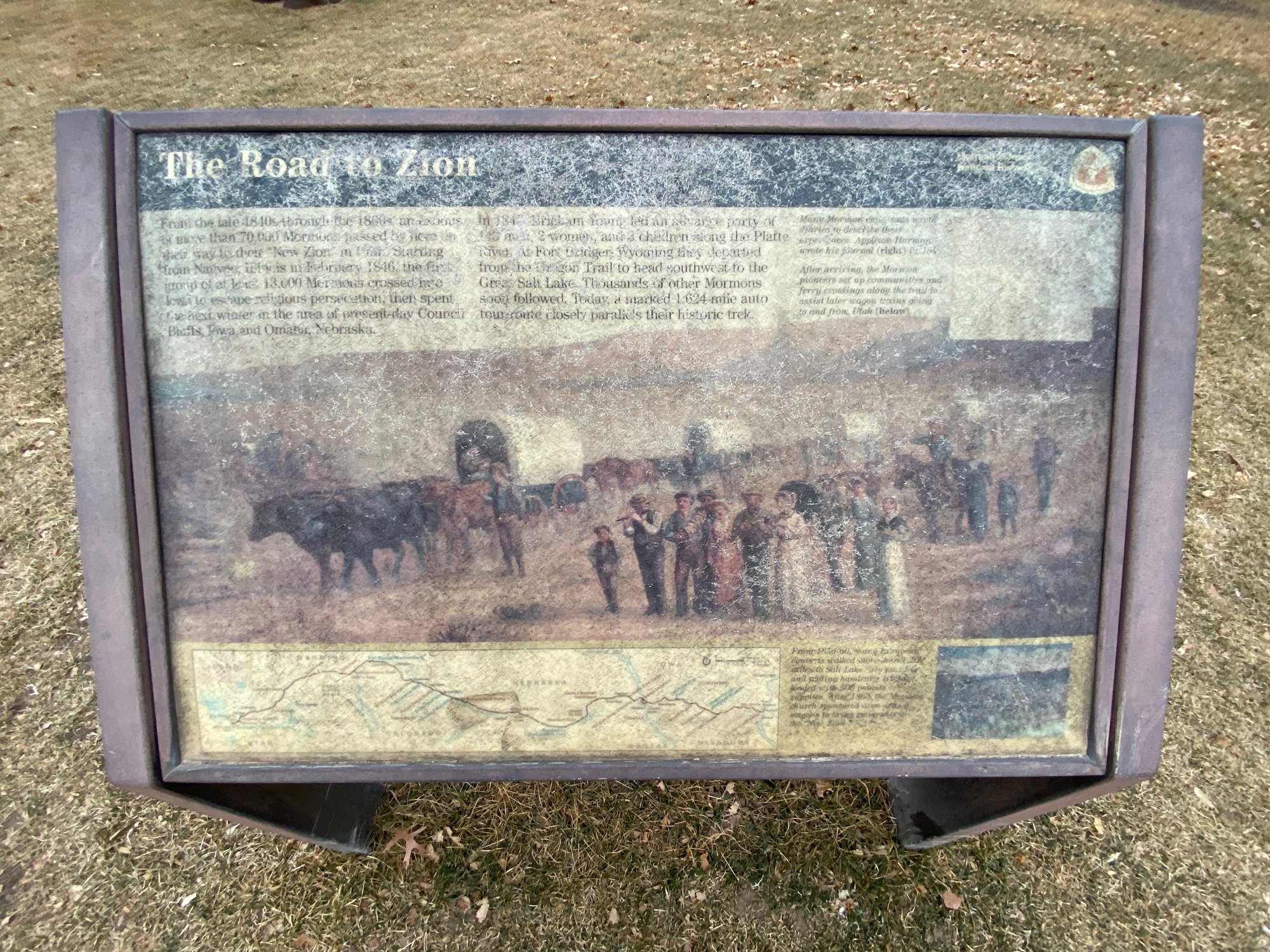
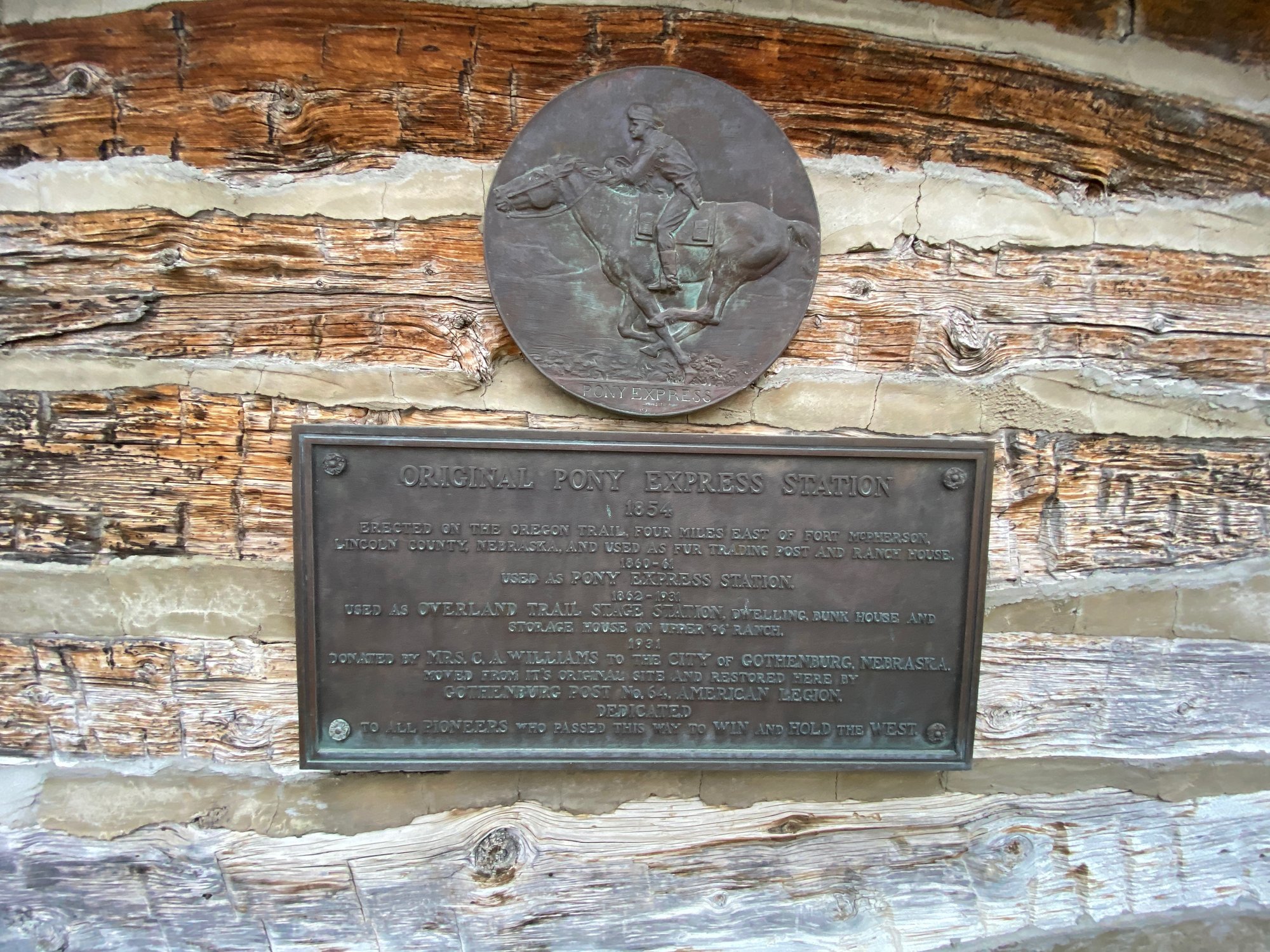
Sure enough, there were plenty of signs and informative plaques describing a bit of everything about the place, and how it was one of several important stops as more than 35,000 pieces of mail passed through going from St. Joseph, Missouri to Sacramento, California.
Gothenburg is the self-called Pony Express Capital of Nebraska and is historically located on the first transcontinental highway to the west.
It is also home to one of two original Pony Express stations in the state. We had to stop by with the YJL today and pay our respects to such a daring mail service that absolutely represented the rugged American individualism of the frontier times.
The Pony Express was a mail service delivering messages, newspapers, and mail using relay teams of horse-mounted riders that operated from April 3, 1860, to October 26, 1861. The line extended between Missouri and California.
The whole setup was operated by the Central Overland California and Pikes Peak Express Company, and was financially important to many in the country during its 18 months of operation. It reduced the average time for messages to travel between the Atlantic and Pacific coasts to about 10 days and quickly became the most direct means of east-west communication before the transcontinental telegraph was established on October 24, 1861. It was also vital for tying the new state of California with the rest of the United States.
However, despite a heavy subsidy, the Pony Express was not a financial success and went bankrupt in 18 months, when faster telegraph service was established. Nevertheless, it demonstrated that a unified transcontinental system of communications could be established and operated year-round. When replaced by the telegraph, the Pony Express quickly became romanticized and became part of the lore of the American West.