

















By: Torque Staff
So, we’ve been coming to Moab, Utah for more than a decade now. Some of us even longer. And in that time, you come to understand the scenery. The beautiful Colorado River cutting across Hwy 191 just north of town. Arches National Park. The La Sal mountains just off in the distance. The surrounding red cliffs. That’s just the way Moab’s scenery works, right?
Most of that scenery stuff is self-explanatory. The river, mountains, Arches. Except one thing is a bit different. What is up with those red rocks?
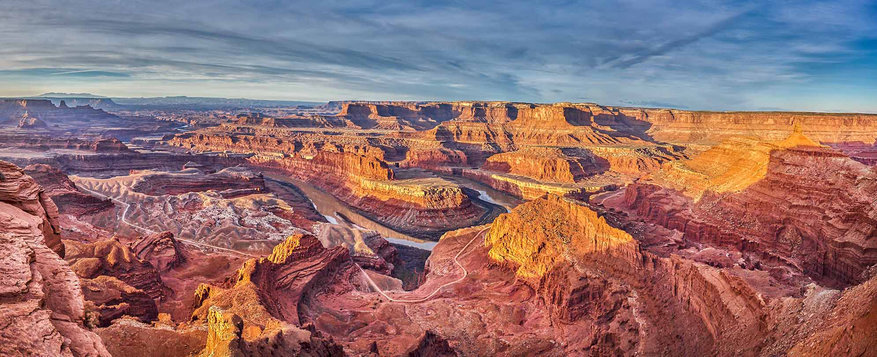
We see them surrounding Moab in all directions. On the cliffs, buttes, slickrock, all that stuff. So has everyone else who finds their way to this part of southeastern Utah as well. Mars-like scenery, you can call it, diary.
But while everyone mostly just absorbs all that scenery, we started to wonder how many actually wonder why the rocks around Moab are red instead of brown, or gray, or whatever.
The key to the rocks' red hue lies within their very composition, diary. Moab's sandstone formations are rich in a common mineral called iron oxide, which is better known as rust. Yup. That same chemical reaction that turns our 10-speed bike into rust when left out in the rain is responsible for the stunning color palette of Moab's rocks.
When the iron particles within the sandstone are exposed to oxygen and water, they oxidize and turn into iron oxide. This process imparts vivid red and orange colors to the rock formations. Apparently, in some cases, people even find streaks of purple caused by manganese oxide.
Color is one thing, diary, but these red rocks of Moab are not just fascinating for their color; they also hold the key to understanding the geological history of the region. The sandstone layers around the town were formed over millions of years, as ancient seas, rivers, and deserts deposited layer upon layer of sediments. Over time, these sediments were compacted and cemented together, creating the magnificent sandstone formations everyone sees today.
Some of the most famous rock formations in Moab, such as Delicate Arch and Balanced Rock, were sculpted by the powerful forces of erosion. Wind, water and time carved intricate patterns into the sandstone, creating awe-inspiring shapes that draw visitors from all around the world.
While red is the most predominant color, Moab is not just about red rocks; it's also home to a stunning array of other colors. For example, the Fiery Furnace area in Arches National Park is famous for its glowing orange sandstone, while the Needles District in Canyonlands National Park boasts a diverse range of hues, from pale yellows to deep reds.
These vibrant colors also provide valuable information about the area's geological past. For example, the different shades of red and orange can indicate variations in the concentration of iron oxide, while the presence of other minerals like manganese oxide can create stunning purples and blues.
So, if we had to say one thing for anyone taking a trip to Moab in the near future, take a moment to appreciate the incredible geological story that lies beneath the surface of its breathtaking red rocks. And don't forget to snap a few photos to share the beauty and wonder of this amazing place.
I know we plan to as well.
Related Articles:
Jeep Unveils Latest Batch Of 2024 Easter Jeep Safari Concept Renderings