









by Matthew Konkle
Torque Editor-in-Chief
Editor's Note: In 2018, Jeep produced both the older generation JK Wrangler as well as a new generation Wrangler, the JL. Although both vehicles do have the 3.6L Pentastar engine, the JL version has a slightly different oil change process. You can find information on changing the oil in your 2018-20 JL Wrangler here.
Let’s be honest: handing your keys over to a quick-lube joint for a basic oil change feels a bit like letting a stranger walk your dog. It costs you a few hours in a stale waiting room (at best), and at the end of the day, you’re left wondering if the tech actually bothered to check your gaskets or torque your drain plug correctly.
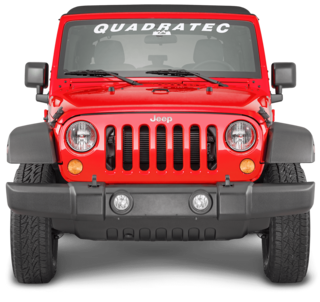
For owners of the 2012–2018 Jeep Wrangler JK, skipping the shop line is more about knowing the job was done right than it is saving a ton of money. Also, it really isn't as difficult as you may think. A DIY driveway oil change for your Pentastar 3.6-liter engine is remarkably straightforward, letting you control the fluids, inspect your rig's vital undercarriage, and get back on the road (or trail) without the hassle.
When it comes to feeding that 2012-2018 Pentastar, Mopar recommends using six quarts of 5W-20 oil. However, you can also use 5W-30 depending on your climate and expected driving conditions. If you are not sure what any of that means, here is a basic rundown: the first number before the W is the oil's viscosity (thickness) at lower temperatures during winter engine startup. The second number is the viscosity at normal engine operating temperature, which is somewhere around 190–200 degrees Fahrenheit. So, 5W-20 oil is a little thinner at high temperatures than 5W-30, and has less viscous drag when the engine is running. This can actually help fuel economy by as much as 5 percent. And the thinner oil (on the low temp end) will provide better lubrication on cold starts as well.
So, for just about anyone, 5W-20 oil works best unless you are in a warmer climate or only run the vehicle during hot summer months. Also, Mopar says to ensure any oil you use meets or exceeds Chrysler Materials Standard MS-6395, which is a motor oil certification from Chrysler that will display on packaging. Mopar recommends either its own brand, Pennzoil, or Shell, but realistically, any oil that fits these categories will work.
So let's change that oil.
What You Will Need
- 6 quarts of 5W-20 (Preferred per Mopar) or 5W-30 (depending on the temperature range anticipated before your next oil change)
- New Oil Filter - Mopar Filter for 12-13 JK Wranglers or Mopar Filter for 14-18 JK Wranglers
- Ratchet
- 13mm Socket for oil pan bolt
- 24mm Socket for oil filter
- Drain Pan
- Shop Towels / Paper Towels / cardboard --- not necessary - but helpful ---
- Rubber Gloves
- Funnel
Instructions
Before you pop the hood, park your Wrangler on level, flat ground and verify you've applied the parking brake. In addition, it is a smart idea to chock the vehicle's wheels any time you are working underneath it for additional safety. After parking, leave the engine on for a few minutes (if you started it from cold) in order to let the oil warm up. This will help it flow more easily when you remove the oil pan plug. Then, prop the hood and remove the top engine cover. Just pull up on its front edge and slide the cover toward you. Ours was a bit muddy from a recent off-road trip, so if yours is the same, just take the hose to it and wash any mud or dirt off.
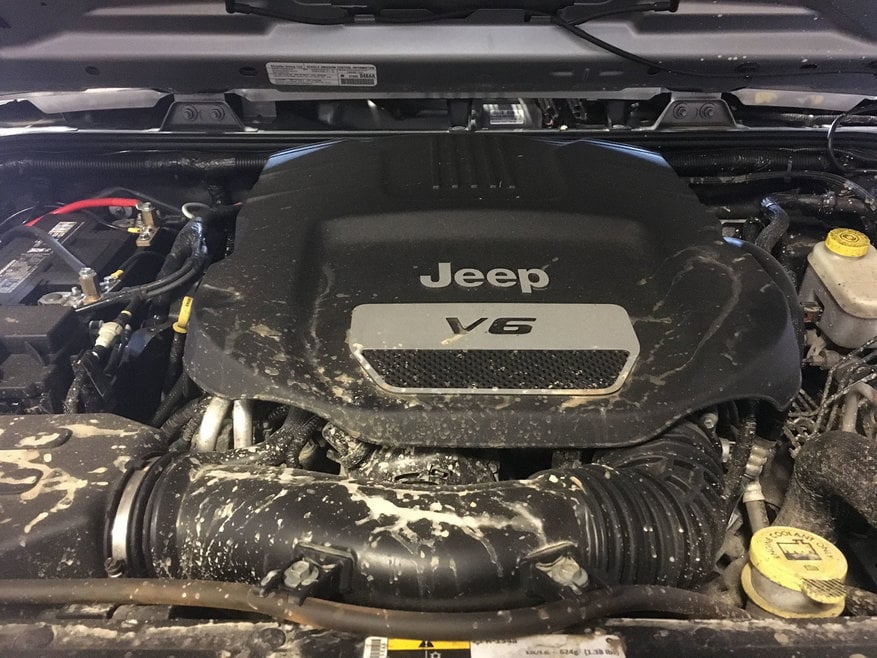
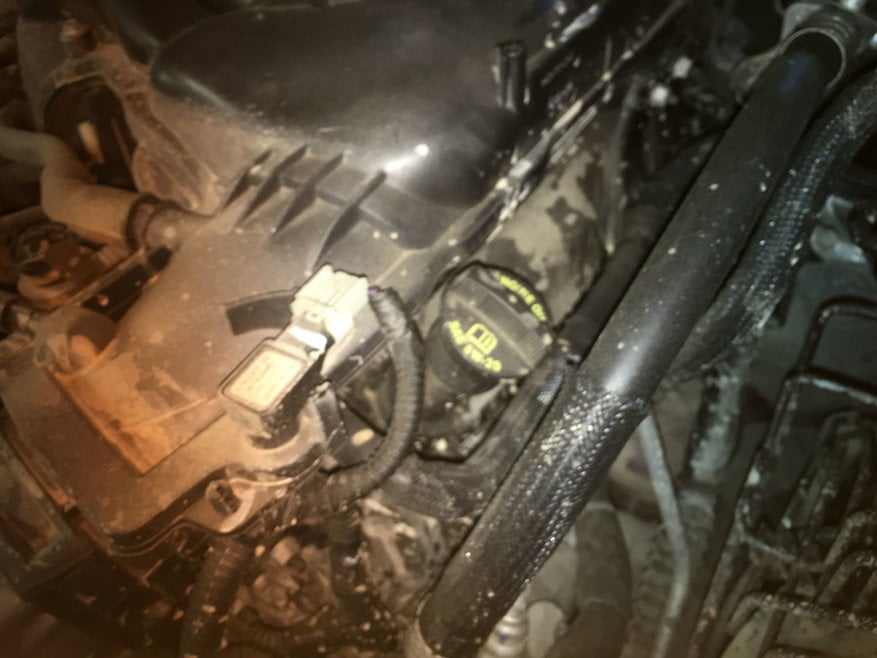
After setting aside the engine cover, locate the oil filler cap on the right side of your engine bay and remove. This will help allow oil to drain from the engine a bit easier.
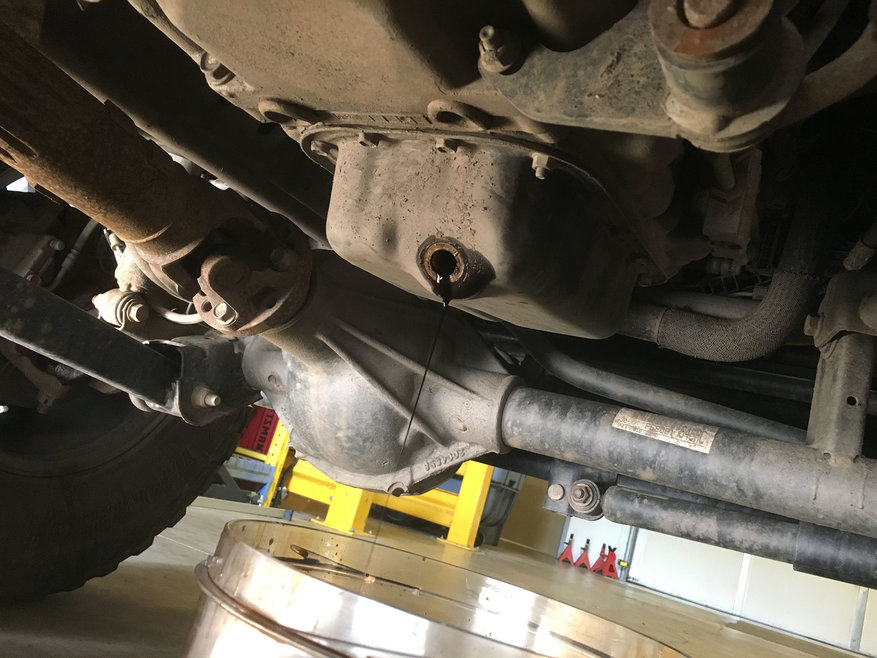
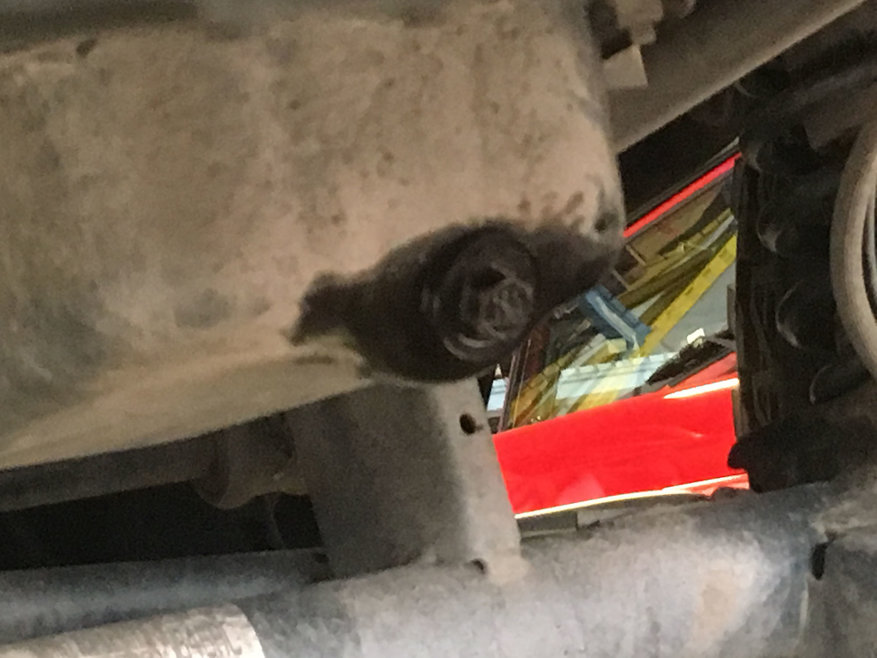
Now you can move underneath the vehicle. We suggested earlier having some cardboard and paper towels handy, and placing them on the ground under the oil pan, as that is a good way to prevent a small spill from becoming a major cleanup. If you do have an accidental spill, use cat litter, sawdust, or some other spill absorber to properly clean the mess. With everything in place, attach that 13mm socket to your ratchet and carefully remove the oil plug. Keep in mind that as soon as the plug is removed, oil will flow out, so be sure to have your drain pan in position.
While waiting for the oil to fully drain, move back to the front of your Jeep and remove its oil filter. Locate the cap at the center left in the bay (the top looks like a piece of Honeycomb cereal) and attach a 24mm socket to your ratchet to remove the cap. The oil filter will remain attached to the cap, and will have a bit of oil leaking off it when you remove, so keep a towel handy to capture any renegade oil. Then, gently pull on the filter to pop it off the cap. And gently is imperative, because yanking too hard on the filter can break the oil pressure relief valve inside the cap. Once the old filter is removed, simply attach the new O-ring to the cap, push your new filter into place, and reinstall. One thing to note—Jeep did make a running change to the filter in 2014, so make sure your new filter choice corresponds with your vehicle year installation.
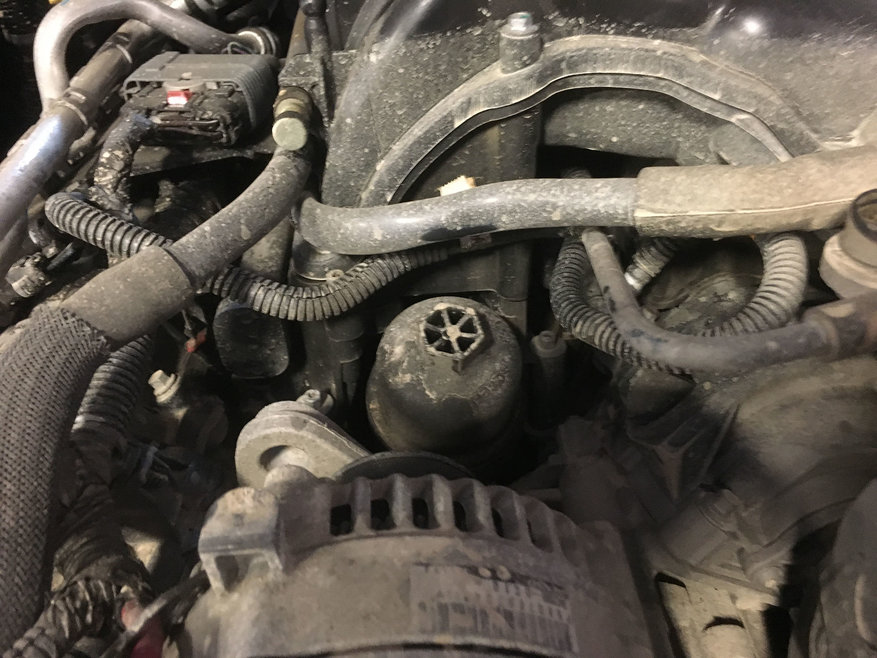
With the new oil filter snugly into place, check underneath the Jeep and make sure all oil has completely drained. If so, attach that 13mm socket again and reattach the oil plug bolt to a torque setting about 25 ft-lbs. Use your towel to wipe up any oil residue in the plug area. Then you are ready to add new oil.
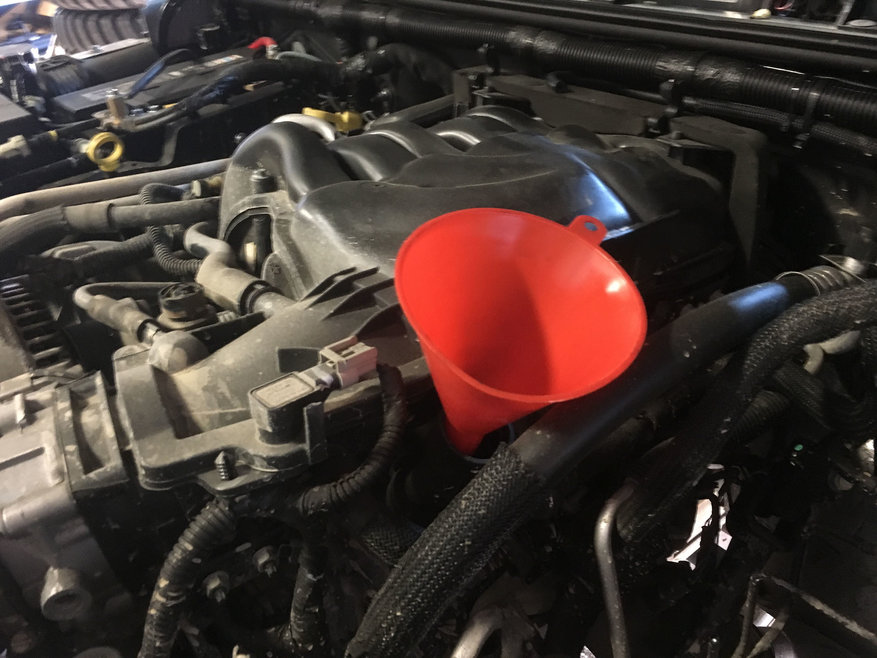
Insert a funnel into the oil filler tube and refill the engine with all six quarts of oil before removing the funnel and snugly replacing the cap. You can now start the engine and allow it to run a few minutes. Observe the oil pressure gauge and ensure it is not lit. As long as everything looks good, shut off the engine and give it a little time for all the oil to drain to the bottom of the engine. Then, check the oil level and clean up all cardboard, towels, absorbent, and tools. Also, please be responsible and safely dispose of that used oil. Don't just throw it in the trash.
Resetting the change oil indicator
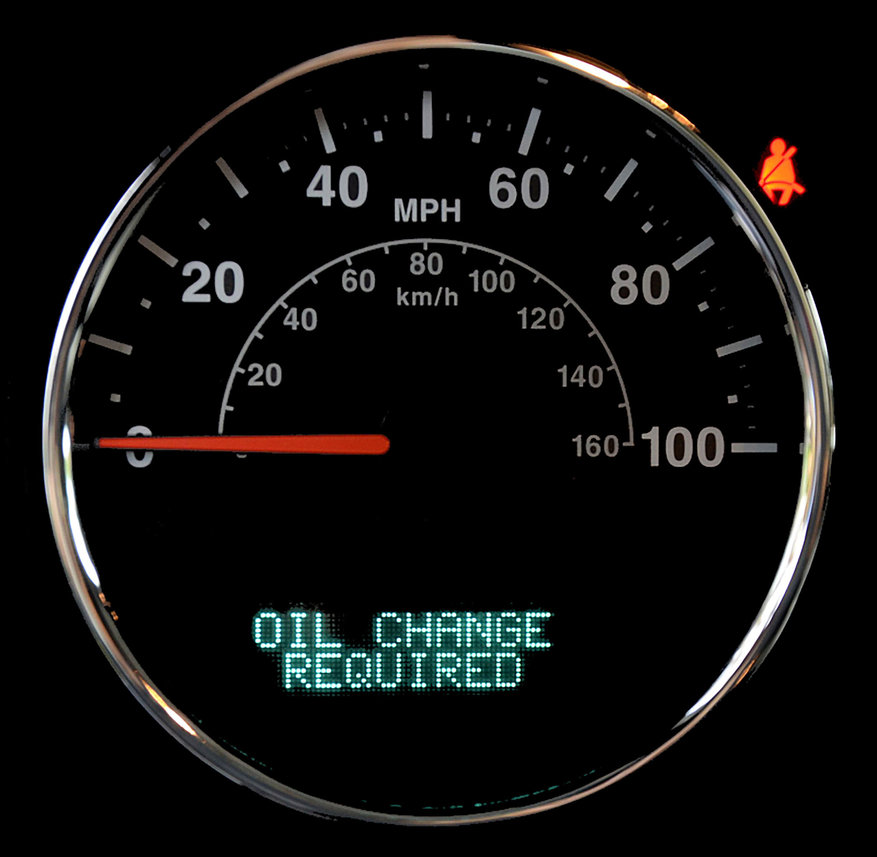
With the Jeep's engine off, insert your key into the ignition and turn it to the run position, but do not start the engine. Depress the gas pedal to the floor three times within a 10-second span and then turn the key to off. This should disable the change oil indicator until the next interval.
Notes
The mileage time frame for an oil change is not an exact science these days. While many still swear by the old 3,000-mile rule, which is fine, today's engines and oil blends do allow for a longer duration between changes. In fact, the Jeep manual recommends a swap every 8,000 miles or six months. However, your driving habits and conditions (temperature, off-road use, etc.) can shorten this duration. So can your comfort level. But whatever you decide, we do believe you should follow the other factory recommendation and not exceed 10,000 miles between changes.