




by Kyle Buchter
Quadratec Trail Boss
Whether your vehicle is a daily driver, some kind of trail beast, or something in between, it is definitely going to need maintenance to remain at the top of its game each day.
Keeping up with that maintenance provides an extra shield against damage, ensures components all stay in shape and allows for the vehicle to make it home after a long day on the trail.
Unfortunately, a simple yearly inspection of the Jeep won’t be enough to cover what really needs to be done. Instead, think about maintenance on your vehicle as something that needs to be ongoing in order to provide the best results.
Not sure what that means, or how to accomplish that task?
Well, here are five of the top ways to maintain your Jeep.
Fluids
It may go without saying, but keeping your vehicle ‘hydrated’ is pretty much as important as you drinking enough water on a hot, humid day.
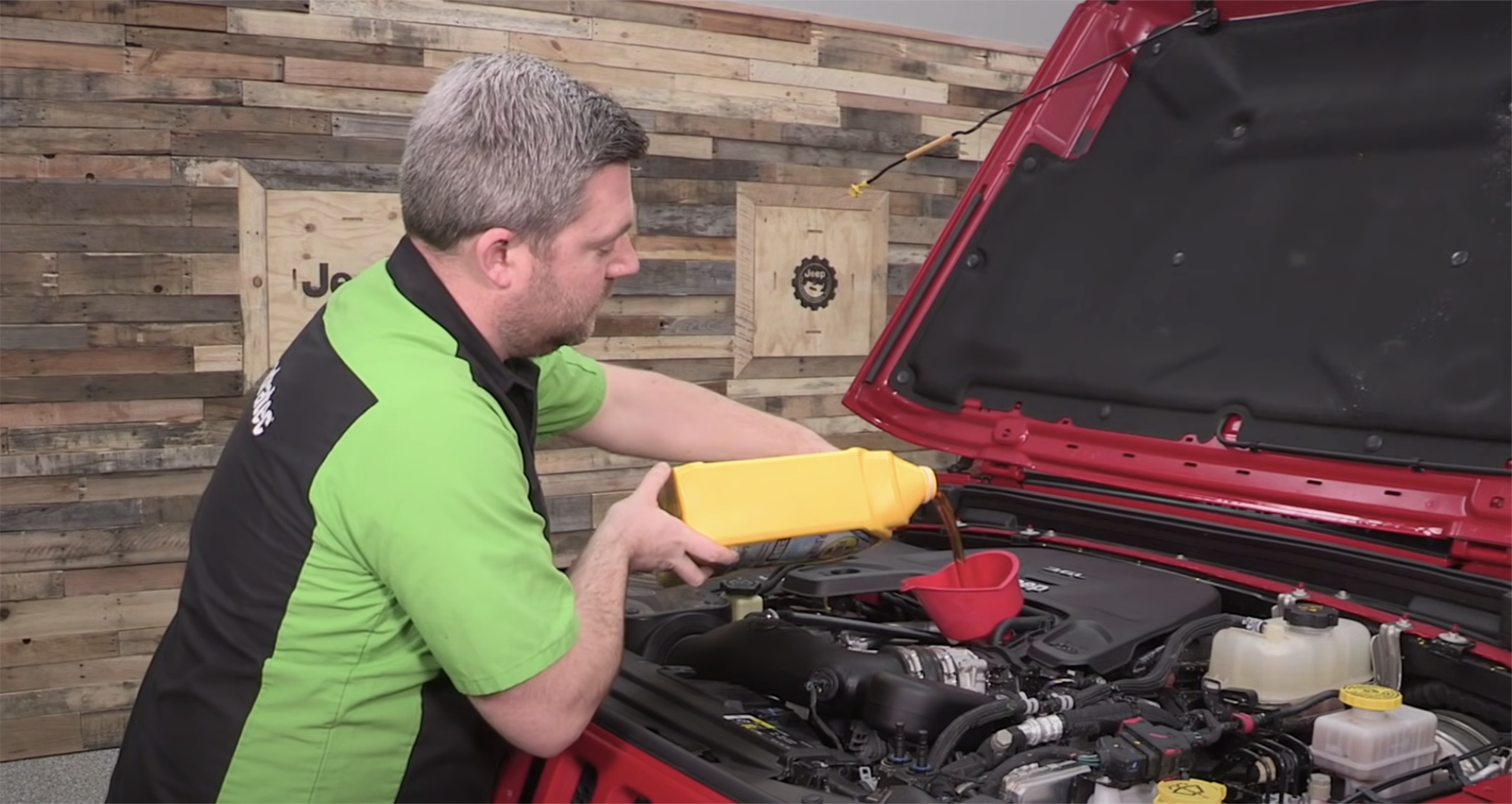
Simply put, the fluids of your vehicle are what really keep it alive, so always make sure that all of the fluids are good. This means popping the hood, inspecting levels and changing when needed.
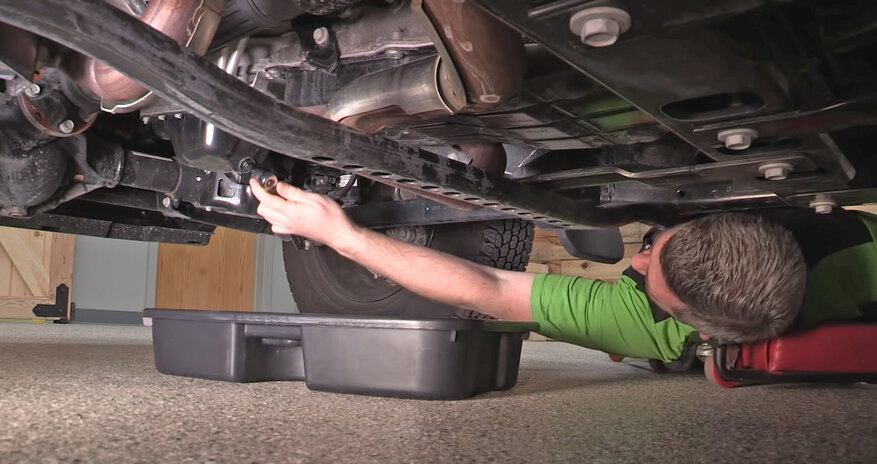
Engine oil needs to be swapped at the intervals specified by the manufacturer — usually somewhere between 3,000 to 5,000 miles, but it could be sooner depending on how you use the Jeep. Check the oil color as well. If it is black or chocolate milk colored, then it needs a change even before the suggested mileage.
Similarly, engine coolant should remain its initial color. Normally, coolant is orange, green, or pink out of the container. It should not turn brown or become discolored. If it is, then the coolant needs changing and the vehicle’s system flushed.
Differentials use a form of gear oil and the same rules apply as for engine oil. There is a suggested mileage time to change (consult that schedule in your owner’s manual) unless the oil has become discolored. Then comes the transmission and transfer case. There are many fluids these use and it really depends on what vehicle, type, and whether it is an automatic or manual.
Again, utilize that manual to determine the necessary fluid type and timing for change, but be vigilant as these can discolor from wear, age and contamination.
Finally, don’t forget about power steering and brake fluid. These usually do not have to be changed frequently, but definitely check the levels and quality of fluid when possible to ensure they are not in poor condition.
Filters
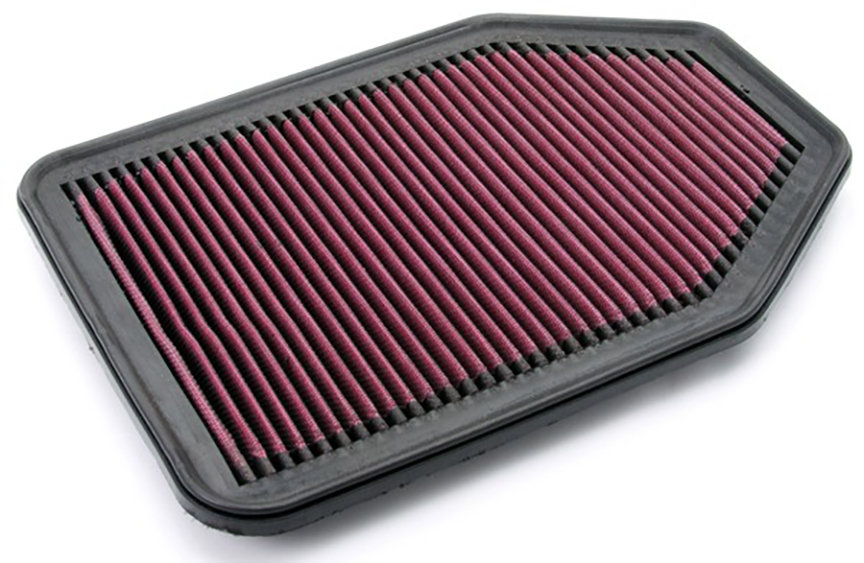
If you change your own oil, you most likely also change out the oil filter at the same time. But there are several other filters around the vehicle you may not have looked at recently.
So an excellent tip is to also check out your Jeep’s air filter, fuel filter, oil filter, and even cabin filter, to see their condition. Often, they can become clogged with dirt, dust, and debris and affect engine performance and the interior of your vehicle — especially if you are a frequent trail rider.
So take a peek at them regularly, like around every oil change, and replace them when needed.
Grease
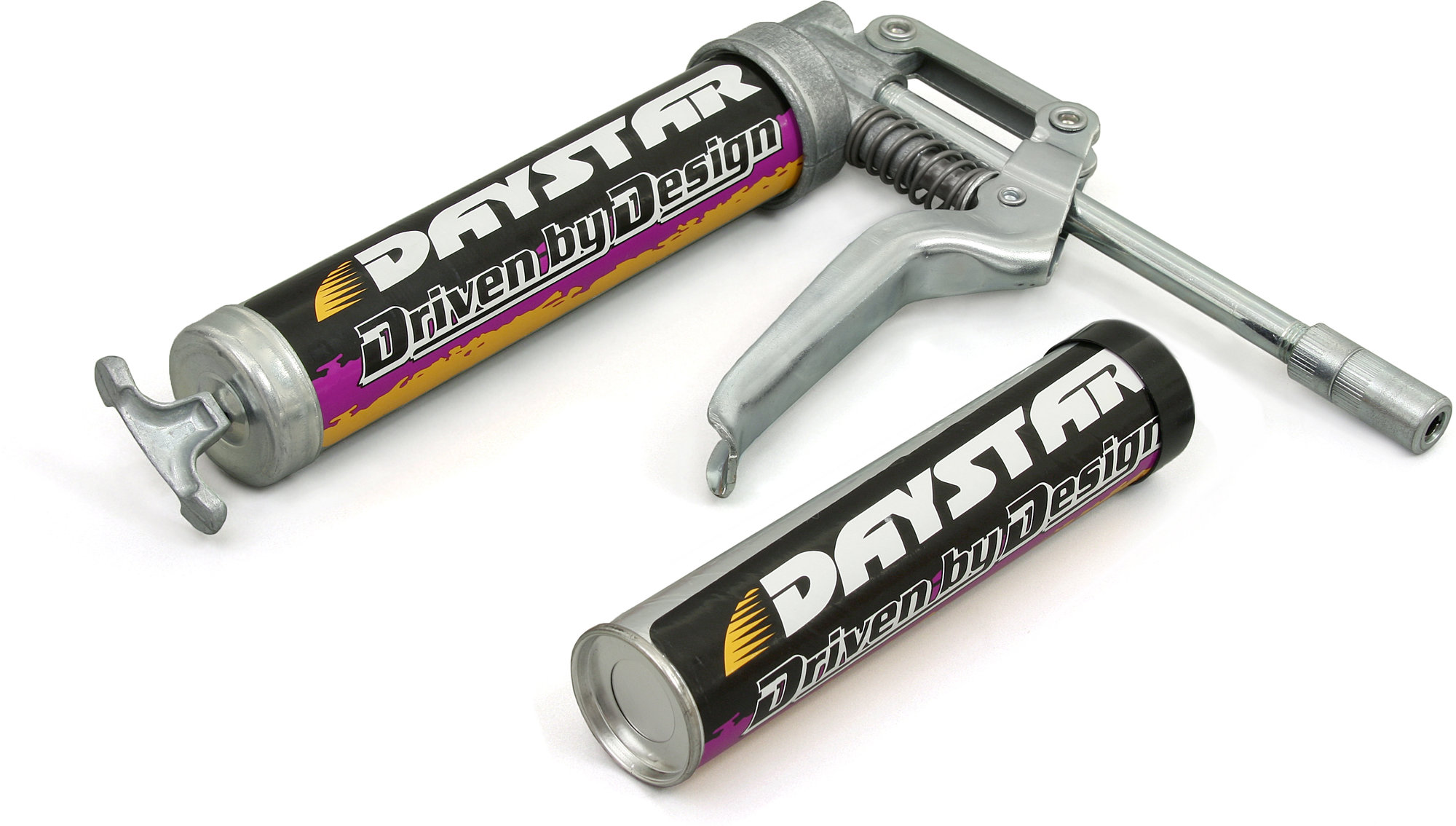
Where grease is applied, water and mud simply cannot live.
That’s why it is highly recommended to make sure the greaseable spots on your Jeep are properly coated before every off-road trip, and around each oil change. Not only does it prevent contamination from dirt and water, but it will also keep important suspension and steering components working as intended, as well as adding longevity to their life.
Tires and brakes
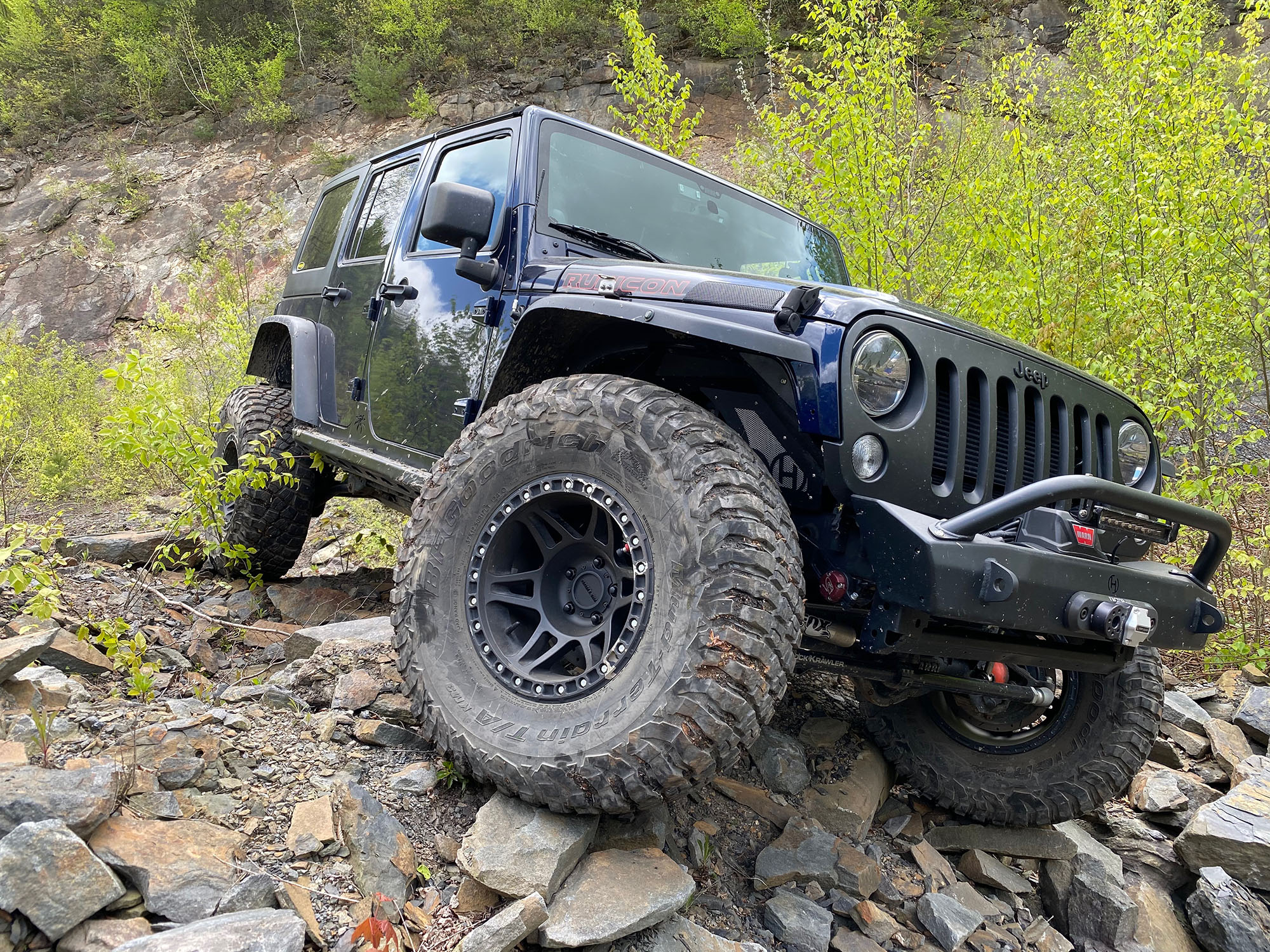
Your Jeep’s tires are the only thing connecting the vehicle to the ground. And brakes are the only real safe way to stop that rubber. Keeping both in top shape via a regular maintenance inspection isn’t just smart, it is imperative.
Luckily, the whole process is pretty simple.
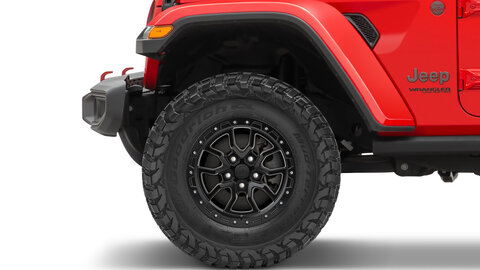
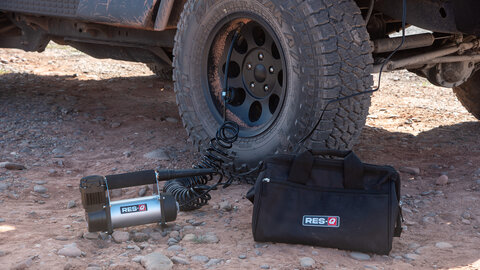
For tires, check for cracks, cuts, or slices. Any one of those may not be large enough to cause a tire to deflate, but could be the reason behind a slow leak that affects tire pressure. Also, make sure that pressure in each tire is aligned with factory standards. Your owner’s manual will recommend a certain amount, probably somewhere around 35 pounds per square inch. But if you have added larger tires on the Jeep, then experiment with different pressures until you find one that provides the best ride quality.
Tread depth is another factor to monitor. If you don’t have enough, then you’ll have limited traction and the tire itself is more susceptible to puncture. Not sure if you have enough tread? Well, the penny test is an excellent way to determine how much you have left. Insert a penny upside down, with Lincoln’s head pointed into the tire. If his head is entirely covered and not visible between the grooves, then your tread depth is fine. If you can still see his face, then you should look into replacing the tire(s).
Regarding brakes — any kind of metallic sound when you press the pedal, or a burning odor, is a pretty good problem indicator. But you can avoid those issues by monitoring the wear on those pads and rotors.
A general rule is assessing those parts every 12,000 miles or so, and replacing if there is visible wear and/or damage. Additionally, check the brake lines to ensure they are not cracked and have a solid connection.
Every 25,000 miles makes for a good time to check the Jeep’s brake fluid. If it appears cloudy or has a milky quality, then it needs to be replaced. Deteriorated fluid can cause corrosion of brake parts and reduce the overall effectiveness of the brakes.
Moveable Parts like Joints, Bearings and Steering Components
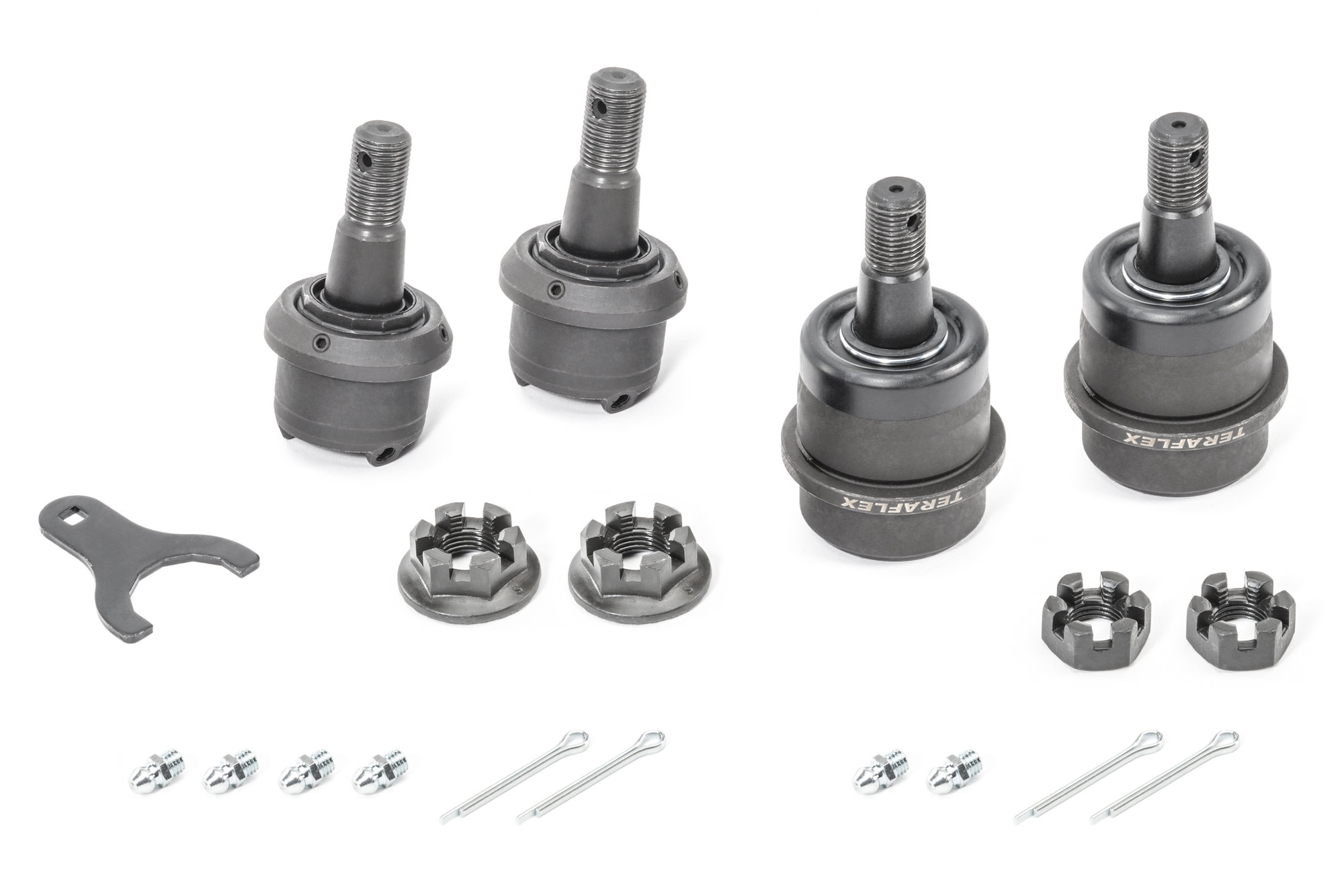
Any movable part can fail, so before your next off-road trip or road adventure, check all joints for wear and play, then tighten and replace as needed. This includes U-Joints, ball joints, and any others the vehicle may have.
Additionally, bearings are all over the vehicle and should be checked for play and wear. These can be oiled or lubed if needed, or replaced if bad. Look for things like engine pulley bearings, wheel bearings, axle and pinion bearings, and more.
Finally, steering components need to be checked regularly to prevent dangerous driving situations and death wobble.
The more time spent looking over your vehicle and keeping up with maintenance, the longer it will last between repairs and help prevent your Jeep from being towed home. Try to check a few days, or the weekend, before an off-road trip so you have time to repair anything that may be needed. Checking everything the night before will not leave you much time to get things repaired.
If you are not mechanically inclined, then find someone you trust to look over the vehicle every few months — or sooner if you are a frequent off-roader. This will save you from later headaches.