







by Matthew Konkle
Executive Editor
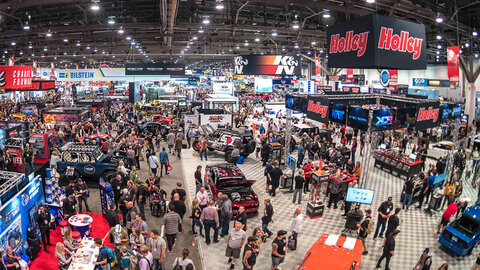
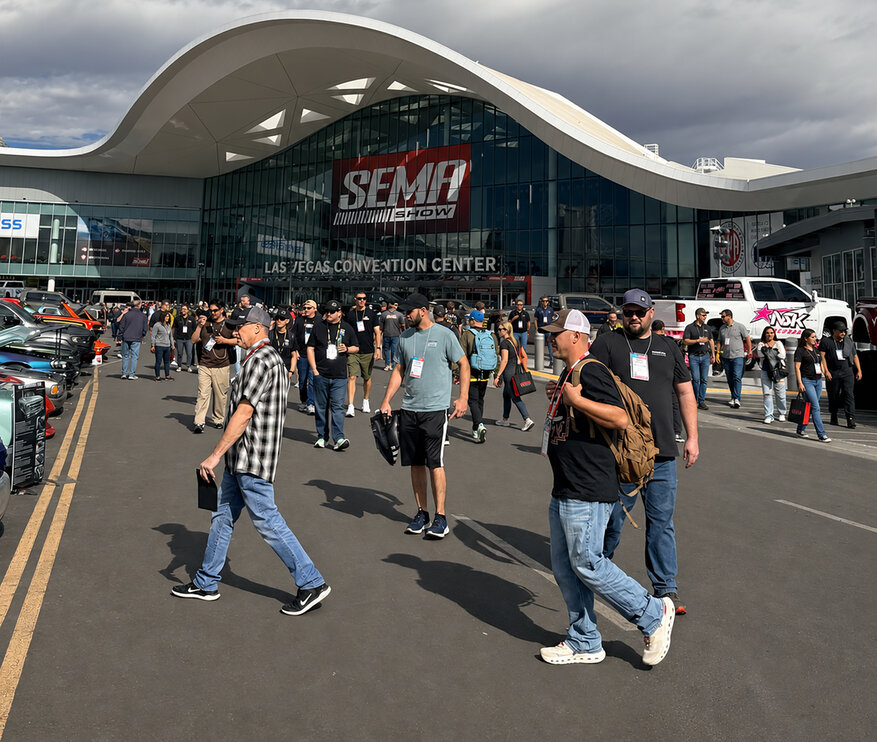
LAS VEGAS—There is a point during each Specialty Equipment Market Association (SEMA) show week when every aisle seems to lead to another Jeep you want to inspect, another product you want to understand, or another conversation that makes you late for the next stop.
It’s a good problem to have. Unless, of course, you’re following along from home and wondering how much of what you’re seeing matters to the Jeep in your driveway.
The answer? Quite a bit.
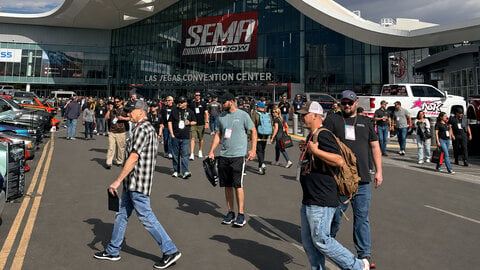
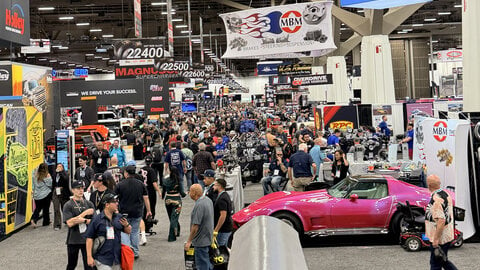
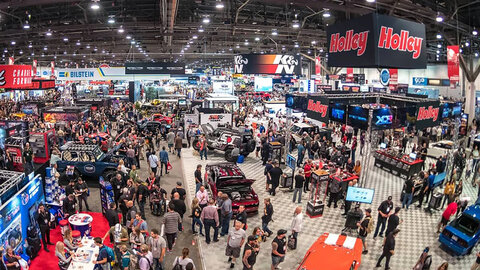
The 2026 SEMA Show, held November 3–6 at the Las Vegas Convention Center, brought together more than 150,000 people from 140 countries and more than 2,200 exhibiting brands, according to SEMA’s post-show recap. That included 400 first-time exhibitors, adding fresh ideas to an already enormous gathering.
Those numbers cover the entire automotive aftermarket. For Jeep enthusiasts, the value comes from finding the vehicles, equipment, and ideas that can make the next repair, upgrade, or trail trip better.
And while Friday’s public access gave tens of thousands of enthusiasts a chance to experience the show firsthand, you didn’t need to make the trip to get something useful out of it.
Here are ten reasons this year’s SEMA Show deserves your attention.
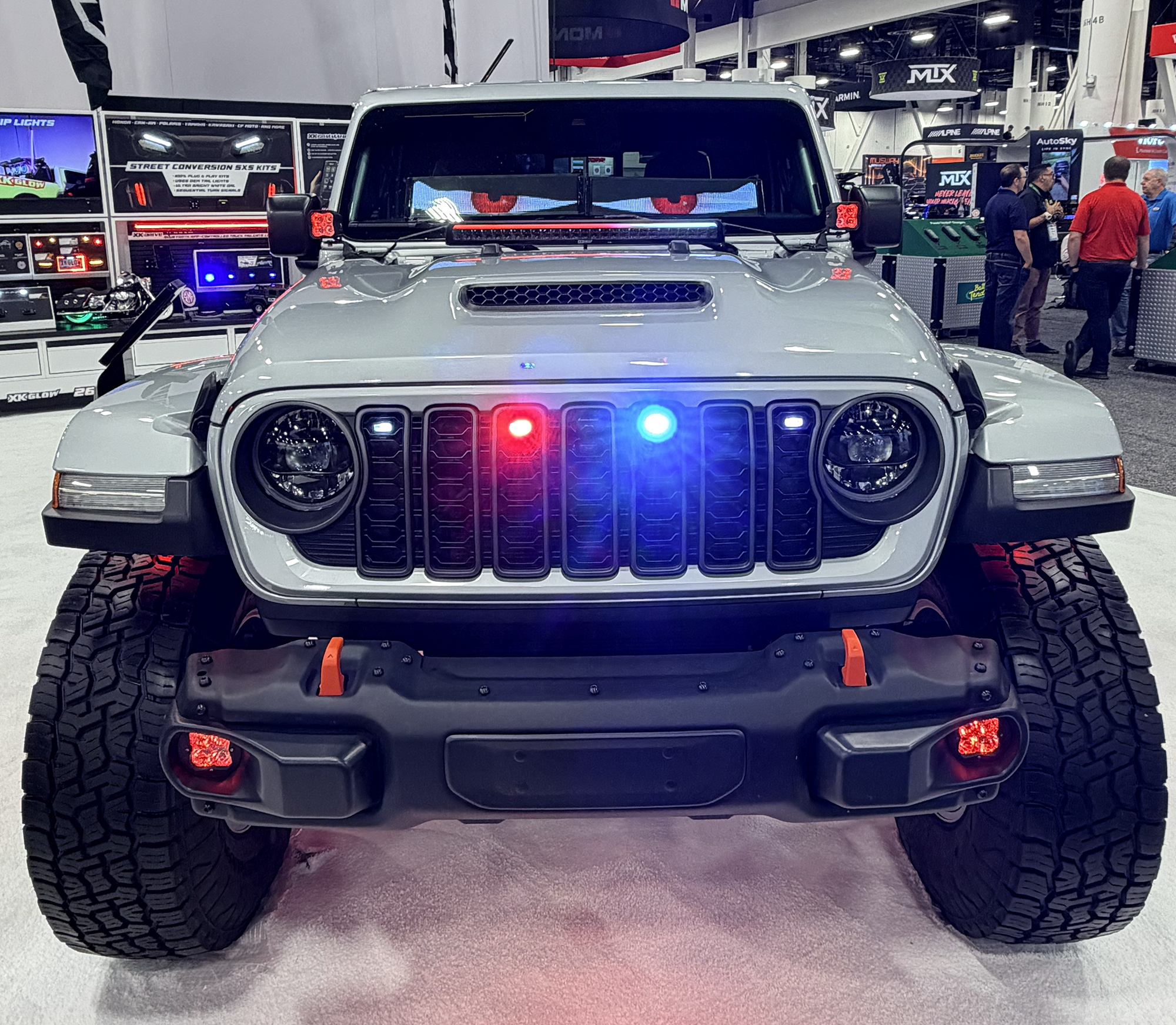
New Products Can Solve Familiar Jeep Problems
Not every worthwhile SEMA debut needs to reinvent off-roading. Sometimes the best idea addresses something that has annoyed you for years.
That might mean easier vehicle access, a better way to organize recovery equipment, more useful lighting, or an exhaust system that gives you some control over its sound.
This year’s show featured thousands of products in the New Products Showcase and across the exhibit floor. SEMA identified durability, functionality, and integrated technology as important themes in truck and off-road equipment.
For Jeep owners, that makes the information on the show worth a look even when a major build isn’t on the calendar. The next useful upgrade could be a small one.
Jeep’s Concepts Give Enthusiasts Something to Think About
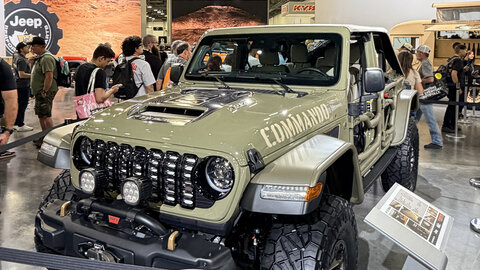
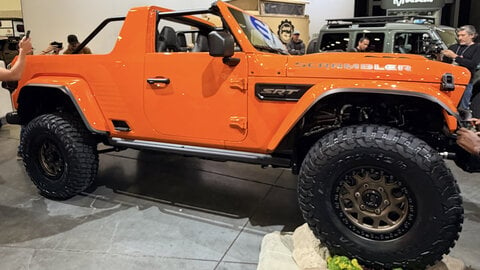
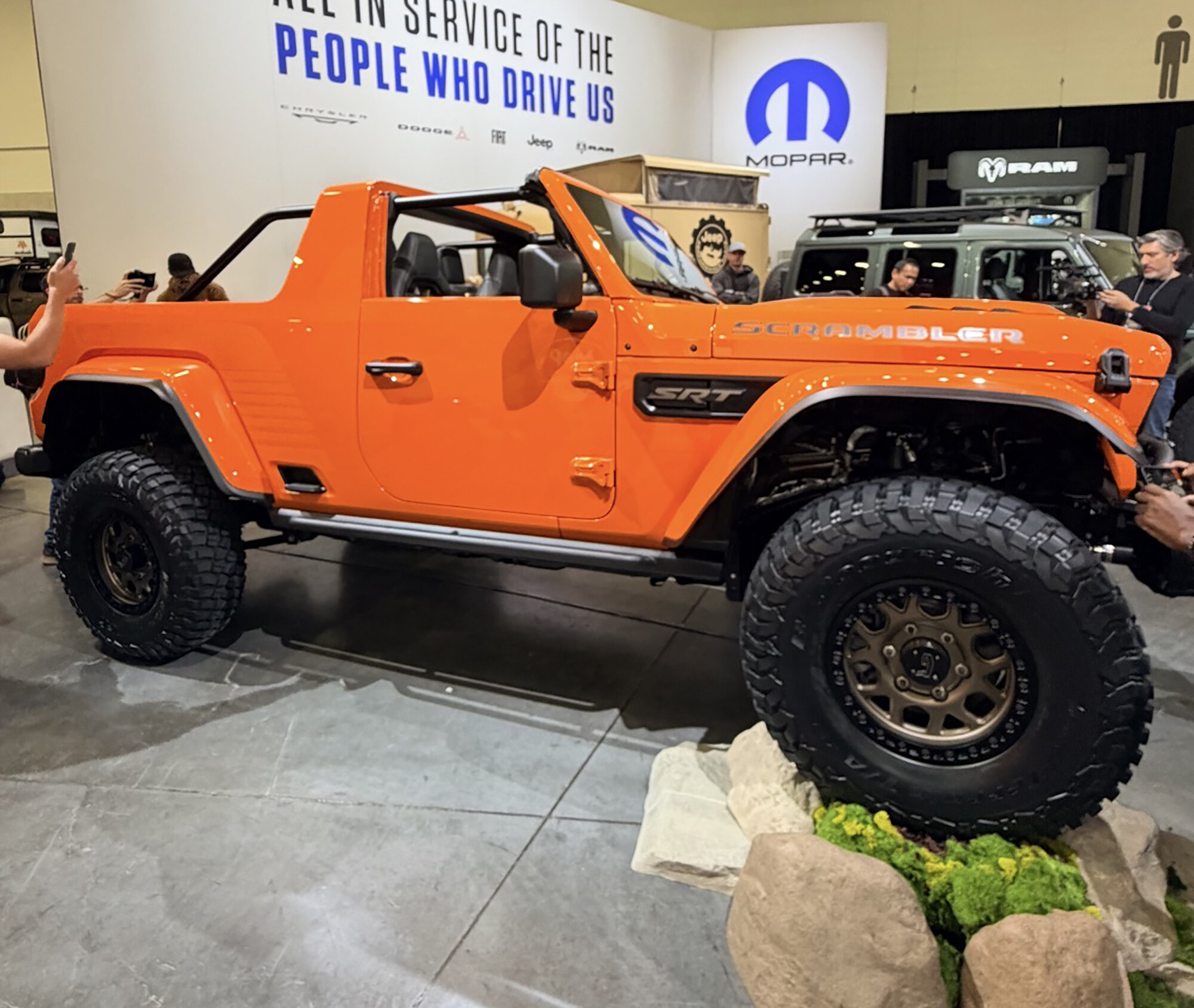
Jeep and Mopar gave us plenty of reasons to stop this year, including the Wrangler Scrambler SRT Concept and Wrangler BUZZCUT concept.
The Scrambler was especially hard to avoid. Its CJ-8-inspired pickup utility, open-air layout, V8 power, and independent front suspension brought some very different ideas together under one familiar name. It also may have shown off other components of Jeep’s next-generation Wrangler, including a revised front face.
A concept is an exploration, and its appearance at SEMA does not establish a production plan. But it does give enthusiasts a chance to see what Jeep’s designers and engineers are willing to try.
For anyone interested in where Jeep capability and design could go next, that conversation is worth following.
Older Jeeps Still Have a Place in the Conversation
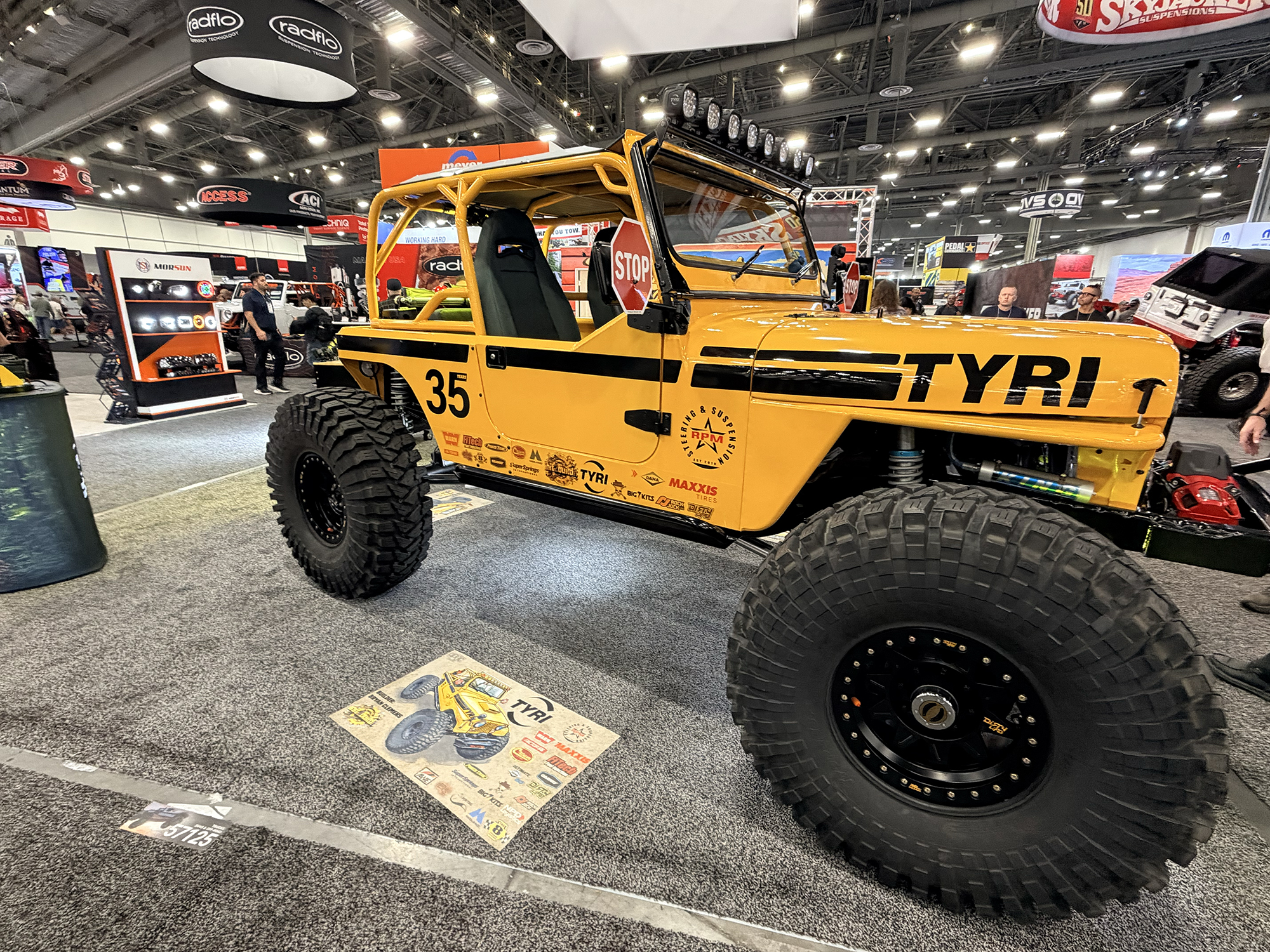
New vehicles tend to collect headlines, but this year offered a welcome reminder that an older Jeep can still be the beginning of an ambitious project.
For example, Tony Carvallo and his family’s 1976 J10 Honcho build paired a weathered classic body with a stretched modern Wrangler JL frame. An AMC 360 V8 kept the truck connected to its roots, while upgraded axles, suspension, and steering supported its intended trail use.
Another engaging build, from Bryan Clemens, creator of the off-road brand In It To Build It, brought a CJ7 platform to new life with a School Bus motif. Complete with a 5.3-liter GM LS engine and Quadratec Heritage seats reupholstered with actual school bus vinyl, this thing didn’t need to be a wildly lifted, shiny Wrangler JL to impress.
Most owners won’t undertake a project that extensive. Still, the thinking behind it is useful: decide what you love about your Jeep, identify what limits its usefulness, and make changes with a purpose. You can appreciate a new model without being finished with the one you already own.
Product Demonstrations Help You Ask Better Questions
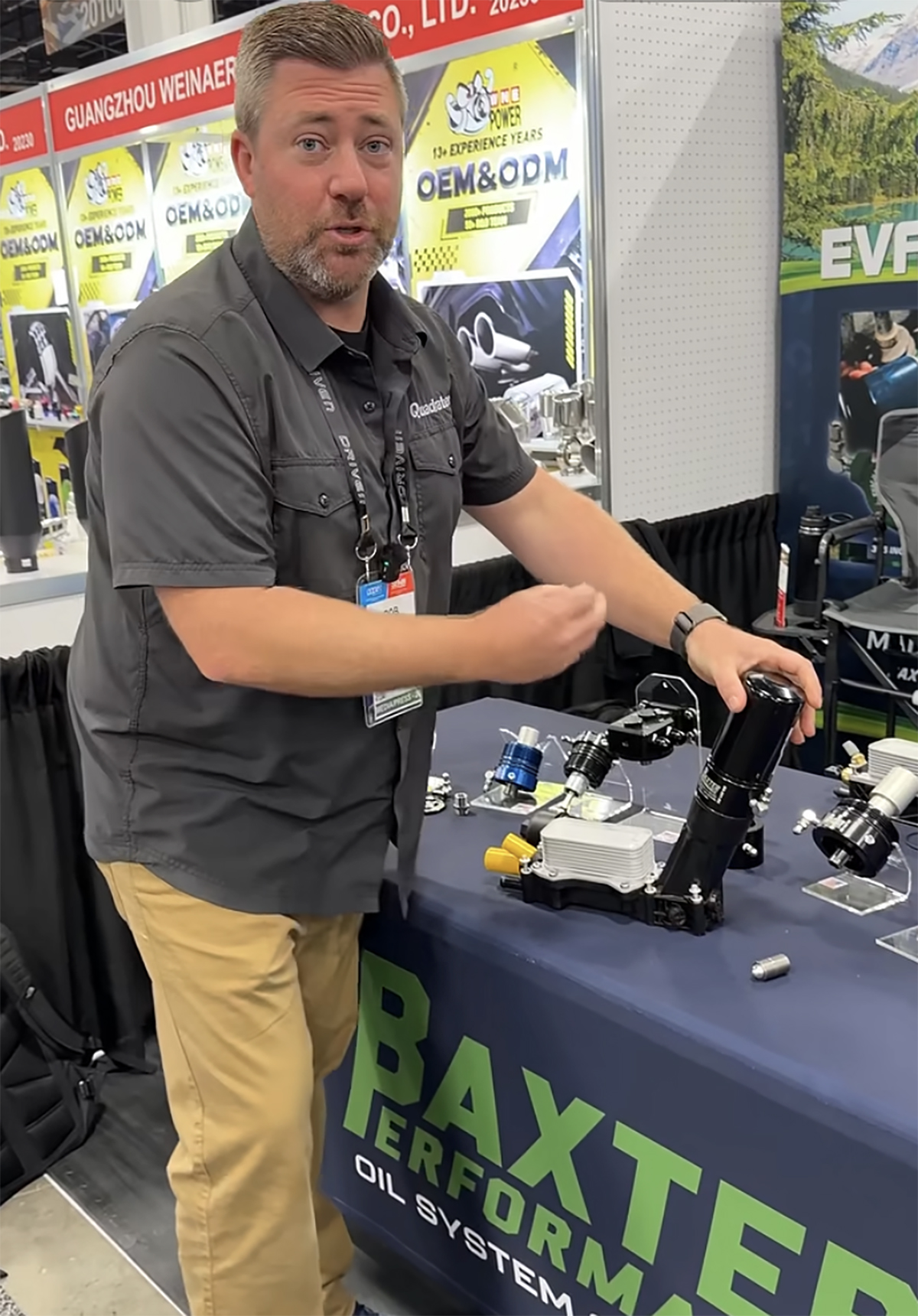
A product photo can show you what something looks like. A good walkaround can show you how it works, where it mounts, and what happens when someone actually operates it.
That is one of the biggest advantages of having people on the show floor looking closely at new equipment and talking with the companies behind it. This year, we unveiled dozens of new products through video shorts, including plenty of builds that had those items installed.
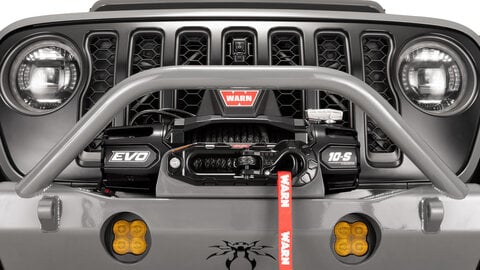
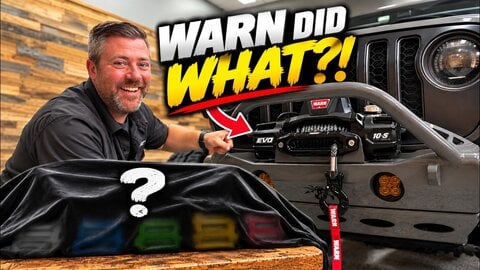
Vendors included Warn, Bestop, Westin, Baxter Performance, Linkswell, XK Glow, Diode Dynamics, Rock Slide Engineering, and Valvetronic. All displaying new products that you’ll see on our site in the coming months.
A demonstration is an introduction. Longer-term testing still matters, but that first look can help you decide which questions are important to ask before buying.
Fitment Details Matter More Than a Show-Floor Photo
Seeing a part on a Wrangler doesn’t automatically mean it belongs on your Wrangler.
Things like model year availability, engine compatibility, body configuration, existing modifications, and factory-installed equipment can all affect whether an upgrade makes sense. The useful part of SEMA coverage is getting beyond the broad product announcement and into those details.
Does a bumper leave room for your winch? Will a light mount interfere with another accessory? Does a replacement infotainment system retain the factory functions you use?
Those questions are less glamorous than a reveal, but the answers can save you considerable frustration in the garage.
Adventure Gear Is Becoming Part of a Bigger System
This year, SEMA’s expanded Powersports, Side-by-Side and Adventure Lifestyle section brought together vehicles, trailers, tow equipment, and gear for spending more time outside.
For Jeep owners, the connection is easy to understand. A weekend trip might involve the Jeep, a trailer, camping equipment, recovery gear, and several people who all need somewhere to put their stuff.
Looking at those pieces together can be more useful than shopping for each one in isolation.
And when you look long enough, you realize your Jeep doesn’t need to carry an entire campsite every day. There are plenty of storage, access, weight-reducing, and everyday practicality items to address that issue while you plan the fun parts.
Better Shop Technology Can Benefit Your Jeep
Some of the most relevant developments at SEMA never become an accessory you bolt onto the vehicle.
Things like AI-enabled repair tools, driver-assistance calibration equipment, and connected technology were all among the show’s product trends. And for owners, the potential benefit is better-equipped shops and more informed service decisions as vehicles become more complex.
Many people love working on their vehicles. There are still more who take it to a shop for repairs and modifications, and it is worth asking how a change affects the vehicle’s existing systems and what checks the installer recommends afterward.
Refined and meatier tools behind the shop counter will probably never appear in your build photos, but they can still play a part in getting the job done properly.

Show Announcements Help You Plan What Comes Next
SEMA puts manufacturers, buyers, builders, and media in the same place, making it possible to discuss the details that don’t always fit into a launch announcement.
For Quadratec, those conversations throughout the week help us learn about new products, ask application questions, evaluate potential additions to our lineup, and decide how they will impact our customers.
For Jeep enthusiasts, the practical value is knowing what to watch for and which purchases may deserve more research.
For instance, a product debuting at SEMA isn’t the same as an in-stock product. Pricing, availability, final specifications, and supported applications are worth confirming as an item moves toward actual production. Following the coverage gives you a head start on that process.
The Next Generation of Builders Is Getting Involved
SEMA reported record participation of more than 1,000 students in its 2026 Student Program, alongside education focused on developing the industry’s workforce.
One visible example it cited came from six Washtenaw Community College (Ann Arbor, Michigan) students who built an attendee-designed Bronco live in Ford’s booth. It wasn’t a Jeep, but the younger connection matters. The automotive aftermarket industry needs a constant supply of new technicians who can diagnose problems, fabricate parts, understand suspension, and install equipment correctly.
SEMA’s continuing focus on educating owners who expect to keep modifying and repairing their vehicles is part of that future we all depend on.
You Can Keep Exploring After the Show Ends
Missing SEMA week coverage doesn’t mean missing your opportunity to learn from it.
Through Quadratec’s articles and YouTube videos, as well as others like SEMA Live presented by AutoZone, you can catch up on everything you missed during the event.
And watching from home has one useful advantage: you can pause, take notes, compare ideas, and think about how something fits your own vehicle before moving on.
Your feet will probably appreciate it, too.
What Comes Home from SEMA
Perhaps the top reason to follow SEMA coverage is to come away with a better idea of what you want from your Jeep. That doesn’t mean building a shopping list as vast as the convention center grounds, either. Important mods revealed during the week could include a new wheel with a better offset so your tires don’t stick out as much. Or safer, more powerful lighting for nighttime adventures.
This year offered concepts that pushed familiar boundaries, products aimed at everyday usefulness, and an old Honcho that proved there is still plenty of room for a fresh idea under weathered sheet metal.
So, whether your next project is a repair, a trail upgrade, or something you’re still sketching out, all of this is useful inspiration to have.
And you didn’t even need a badge to bring it home.