










by Matthew Konkle
Managing Editor
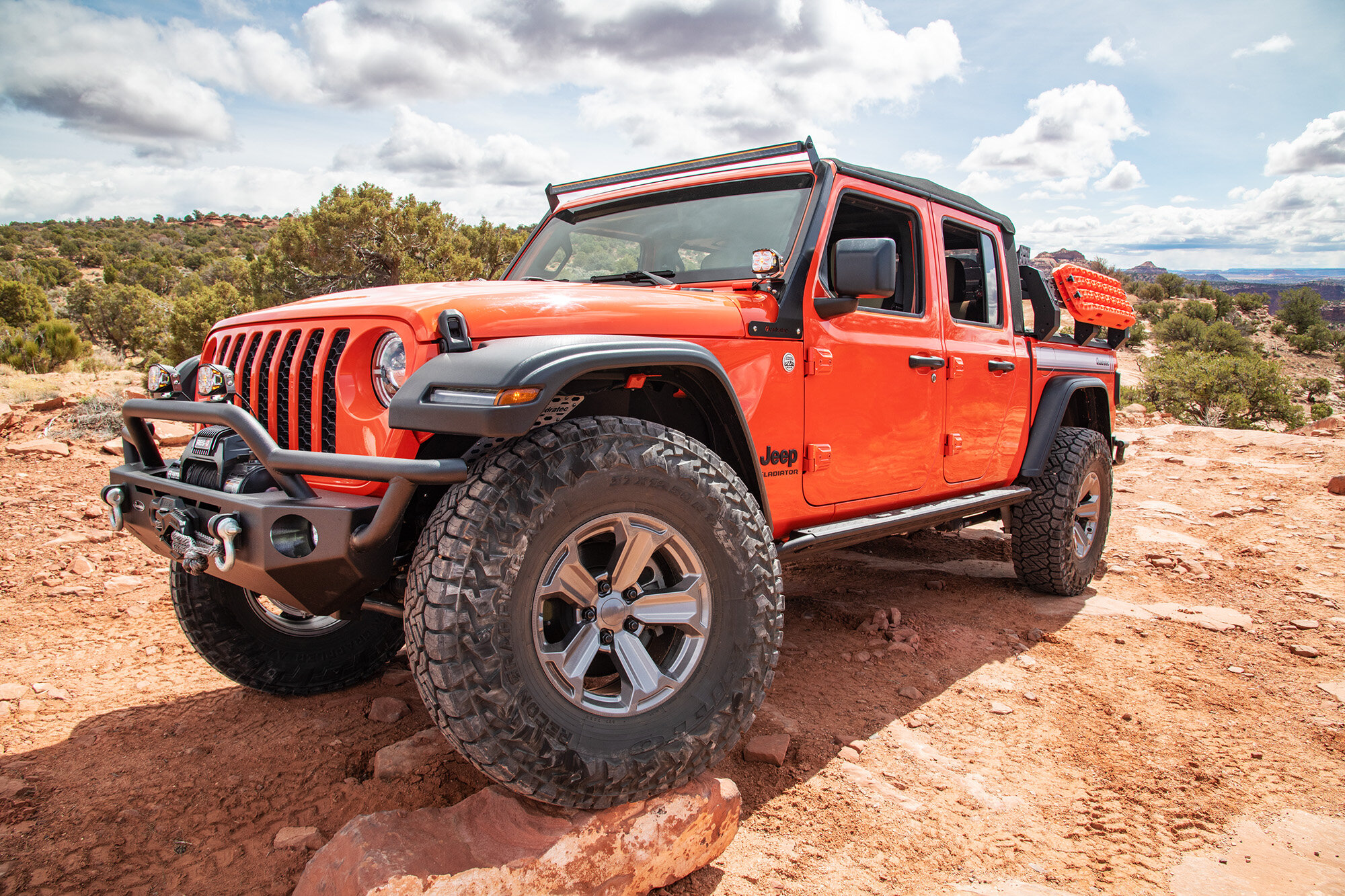
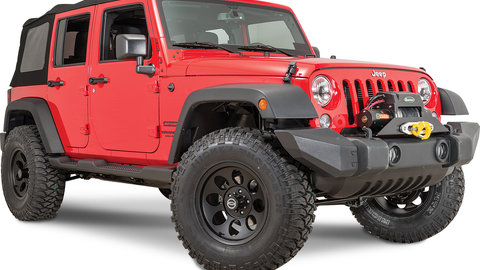
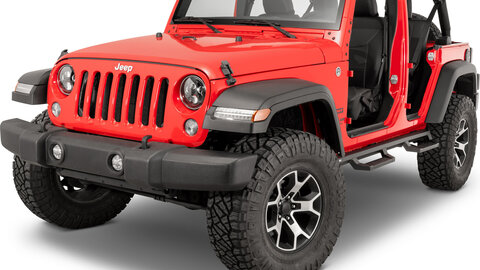
They preen underneath fender flares and wrap themselves snugly around aluminum or steel wheels just like some small kid latching on to a favorite blanket.
Often, these things are not flashy, either. Certainly not like LED headlights, powerful winches, or side steps that automatically lower when you open a door.
No, Jeep tires are more designed for performance than flash. Simply a powerful connection between vehicle and ground to ensure you can safely get from point A to point B.
And when it comes time to swap out those tires, whether by necessity or desire, it really helps to understand just how you use (or plan to use) your Jeep before you make a decision.
Is that Jeep a daily driver? More of an off-roader? Or perhaps a bit of both.
These days, there are more tire brands than ever providing options, but the most debated choices are all-terrain (A/T) and mud-terrain (M/T) tires.
Each type is engineered for specific driving conditions, offering distinct advantages depending on where and how you drive.
So, which one is best for you?
To help answer that question, we’ve put together a guide to examine each type of tire—highlighting the strengths of both, as well as which environments are best suited for their respective abilities.
Understanding All-Terrain (A/T) Tires
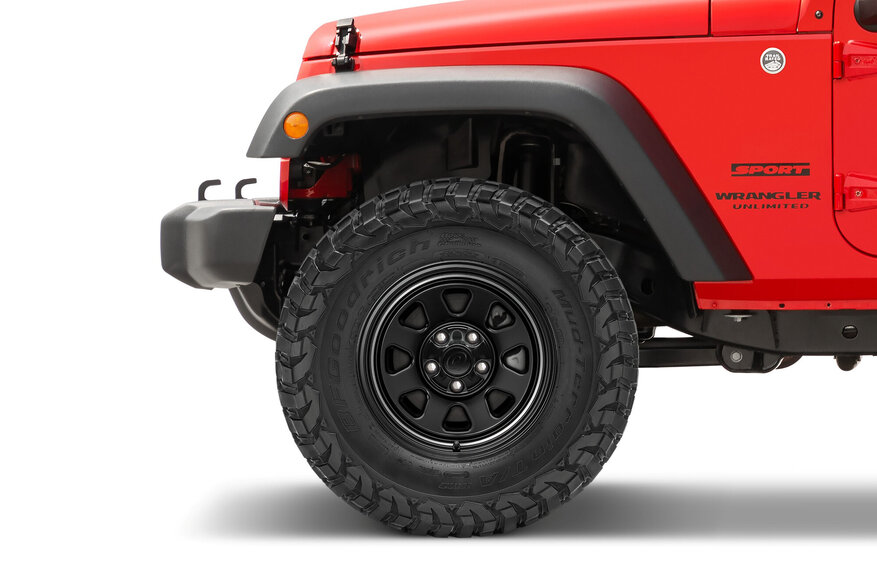
All-terrain tires are designed to offer a balanced performance for both on-road and off-road driving. They have a more aggressive tread pattern than standard highway tires, which are usually found on most Jeep Wrangler Sport trim levels, but they’re still designed to provide above-average comfort and traction across various conditions, including pavement, gravel, sand, and mild mud.
Features of All-Terrain Tires
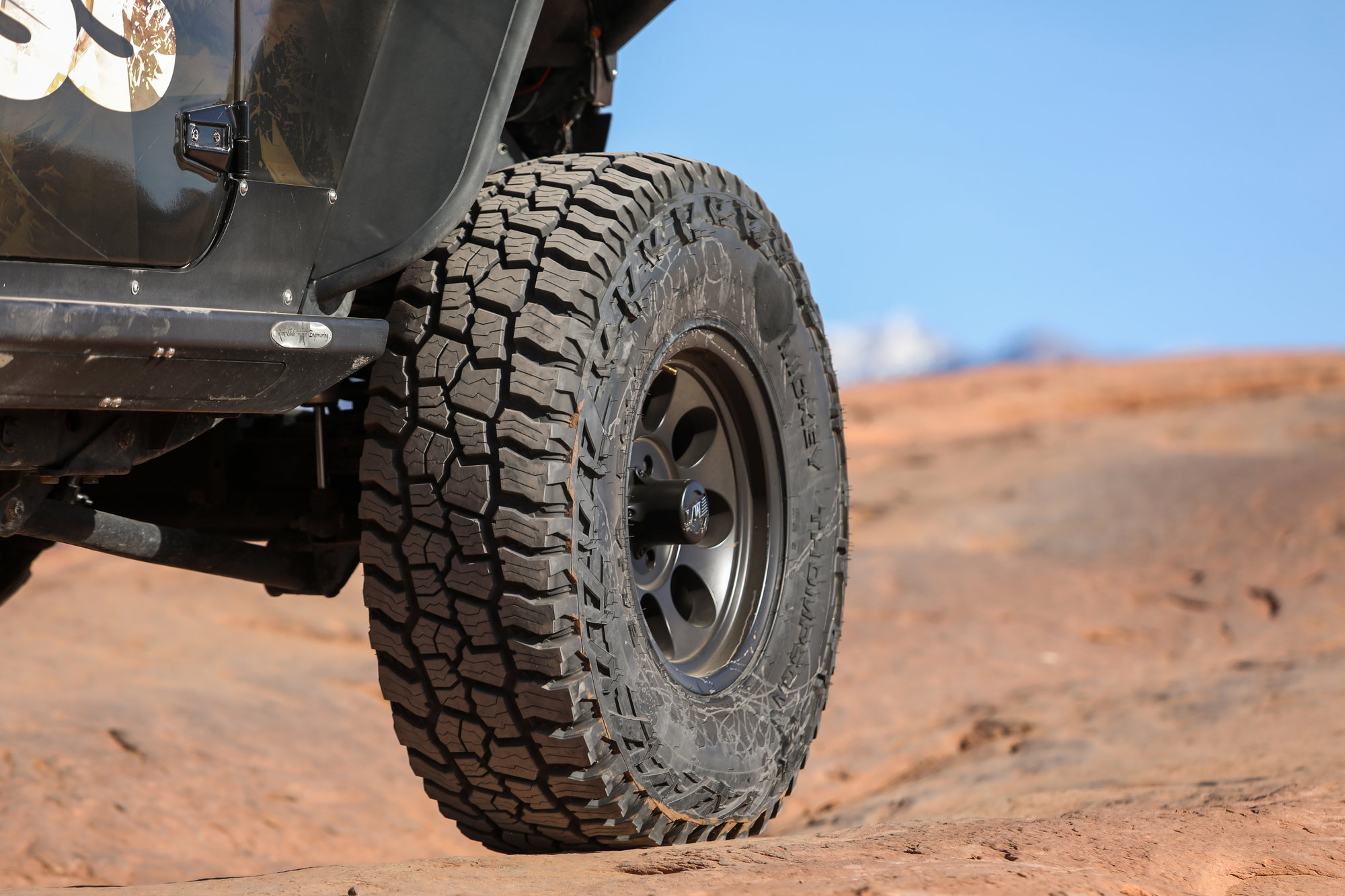
These tires offer a moderate tread design and utilize larger tread blocks and deeper grooves than factory street tires but are not as extreme as mud tires. This allows the tire to provide a secure grip across most surfaces. Additionally, most are engineered with siped tread blocks to help increase wet traction and grip on snow or ice.
All-terrain tires also offer a reinforced sidewall—making the tire much more durable when off-roading against rocks and other obstacles. Plus, because of their modest tread design, these tires are much more quiet on pavement when compared to mud-terrain versions.
Benefits of All-Terrain Tires
Smooth performance and unmatched durability. These are perhaps the top benefits of all-terrain tires for your Jeep. The tire’s less aggressive tread pattern generally lasts longer than comparative mud-terrain versions, and that pattern also means less rolling resistance, so they improve fuel economy as well. Plus, as we said before, they are built to handle a wide variety of terrain with above-average competence, so they are perfect for the daily driver, as well as light to moderate off-roading.
Understanding Mud-Terrain (M/T) Tires
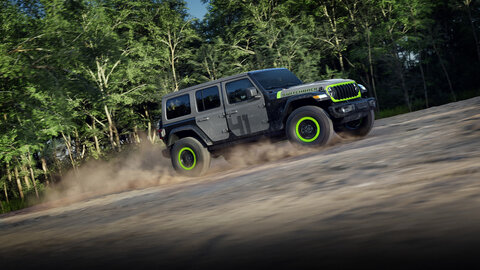
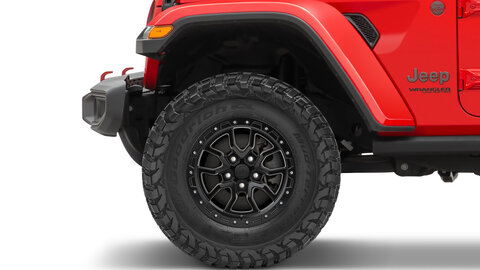
Mud-terrain tires are highly sought after for those who want top-end performance when off-pavement. That’s not to say these tires should entirely avoid road conditions, but their aggressive tread design, deep voids, and reinforced sidewalls allow them to excel when encountering mud, rocks and loose terrain.
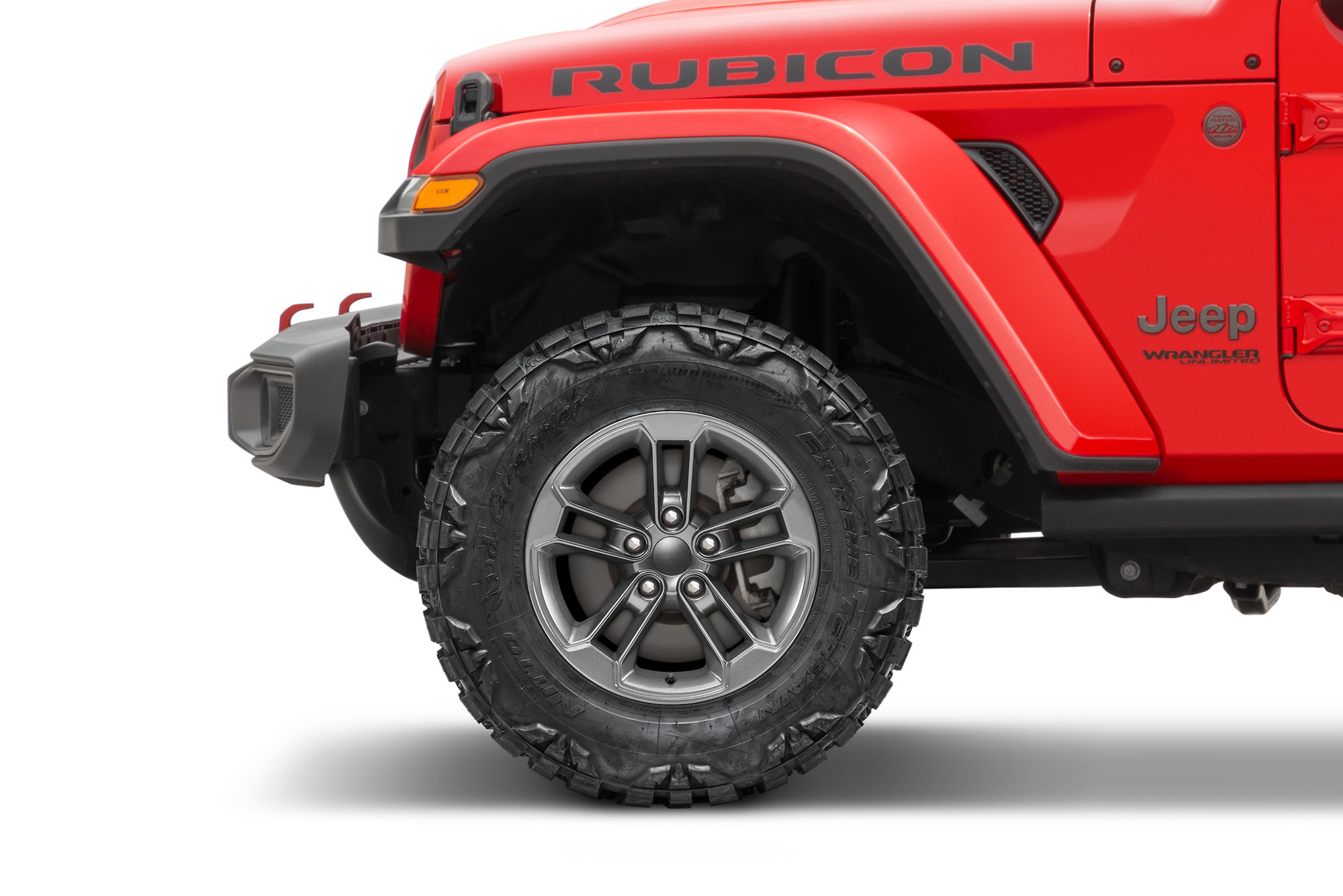
Features of Mud-Terrain Tires
These tires are known for their large, deep tread blocks with wide voids, providing maximum grip in mud, rocks, and loose dirt. This wide design, along with stone ejectors, helps prevent mud and debris from packing into the tread and harming performance.
Additionally, mud-terrain tires offer thicker, reinforced sidewalls that can stand up to sharp obstacle points and repel potential punctures. At the same time, their softer tread material provides maximum traction in extreme conditions—especially when the tires are aired down.
Benefits of Mud-Terrain Tires
For those who desire a rugged appearance and superior off-road performance in the toughest conditions, a mud-terrain tire perfectly fits that need. Whether it is thick mud, deep snow, loose gravel, or sand, these tires are engineered to overcome just about any condition.
However, that’s not to say these tires are perfect everywhere. Because of their construction and larger tread blocks, they tend to be louder at highway speeds and their material wears away faster than all-terrain versions if they are predominately used on the highway. Additionally, as these are not siped as much as all-terrain tires, they tend to have less on-road traction in wet conditions.
Tread Life: Which Tire Lasts Longer?
Generally, all-terrain tires last between 40,000-70,000 miles, depending on driving habits and tire brand. Their moderate tread design allows for even wear and longer life.
Conversely, mud-terrain tires usually have a life span between 20,000-40,000 miles, but they can wear out faster if used primarily on pavement due to their softer compound and large, blocky tread pattern.
Best Tire for Daily Driving
If you use your vehicle mainly as a daily driver, with occasional off-roading throughout the year, then all-terrain tires are the better option. They offer a smoother ride, better fuel economy, quieter road performance and a longer tread life.
Mud-terrain tires are not ideal for daily driving because they are loud, wear faster, and reduce fuel efficiency. However, if you rarely drive on pavement, they can be worth it for maximum off-road performance.
Best Tire for Off-Roading
If your priority is off-road performance, mud-terrain tires dominate. Their aggressive tread and reinforced construction allow for superior traction in deep mud and snow, rock crawling and other extreme off-road conditions.
All-terrain versions do perform well in many off-pavement situations. Still, they are not engineered with the same traction enhancers and other materials that mud terrain versions utilize, so their overall performance in difficult trail conditions isn’t as strong as mud-terrain tires.