






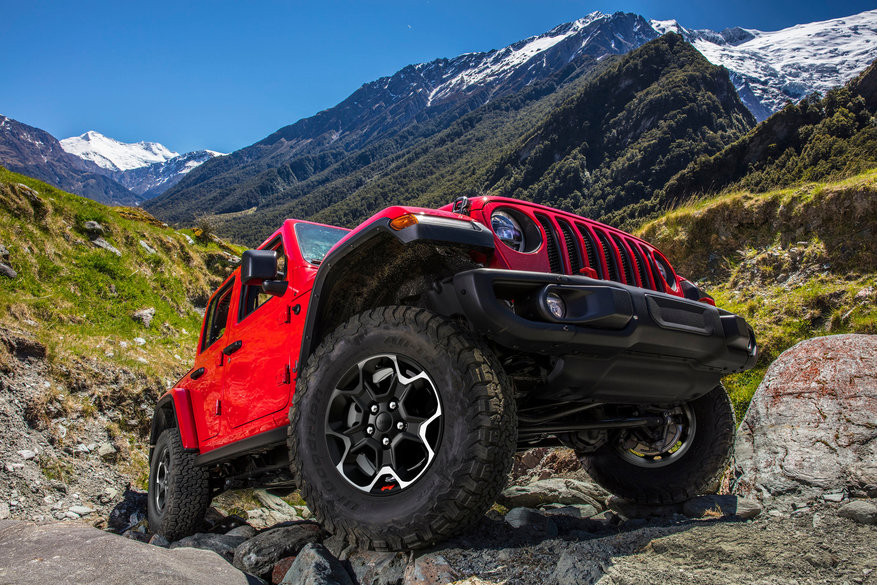
Torque Staff Report
There comes a day in every Jeep's life when it will need new tires. Own a vehicle long enough, and that is really a fact of life no matter what you drive. But unlike with a regular car, there are a few more reasons why you might need to replace those Jeep tires besides merely the obvious tread factor.
So how do I know when it is time to replace my tires?
Well, the first and most common reason for needing new tires is because they have gone enough miles to wear down the tread. If you ask pop-pop, he'll tell you to go grab a penny and use President Lincoln's head to determine how much tire you have left. And while this is good old fashioned retro fun, it's not always the best way to check an offroad or all terrain tire. Plus, who really who carries around change anymore?
The whole point of checking your tire’s tread is to make sure you have at least 2/32” of tread left, as nearly every state with a vehicle inspection will fail you below that amount. But let's be honest, if your tread amount is that low then you are long overdue for a tire change.
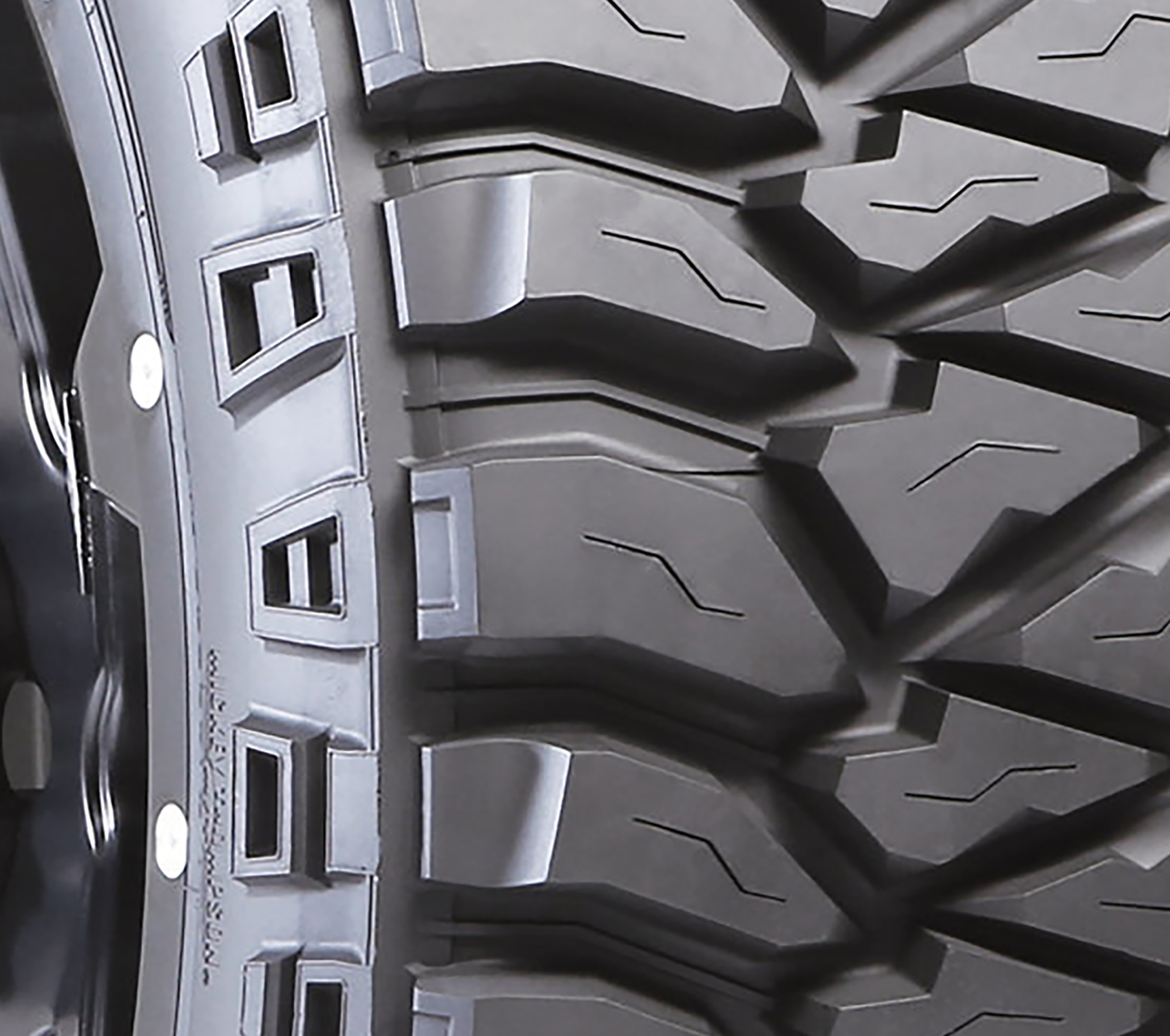
Nearly all tire manufacturers have a wear bar built into the tire to let you know when it's time for replacement. This wear bar runs side to side on the tire, and by the time it bridges two tread blocks, then it is really time to get new tires. If you want to be super accurate about your measuring, you can purchase a tread depth tool from your local auto parts store for less than five dollars, or if they sell tires, they may even check them for free.
Excessive uneven tread wear is also a reason you should replace your Jeep’s tires. I'll be the first to admit, I tend to forget about rotating my tires as often as I should, and it has definitely been a reason I need to replace them more than I'd like to admit.
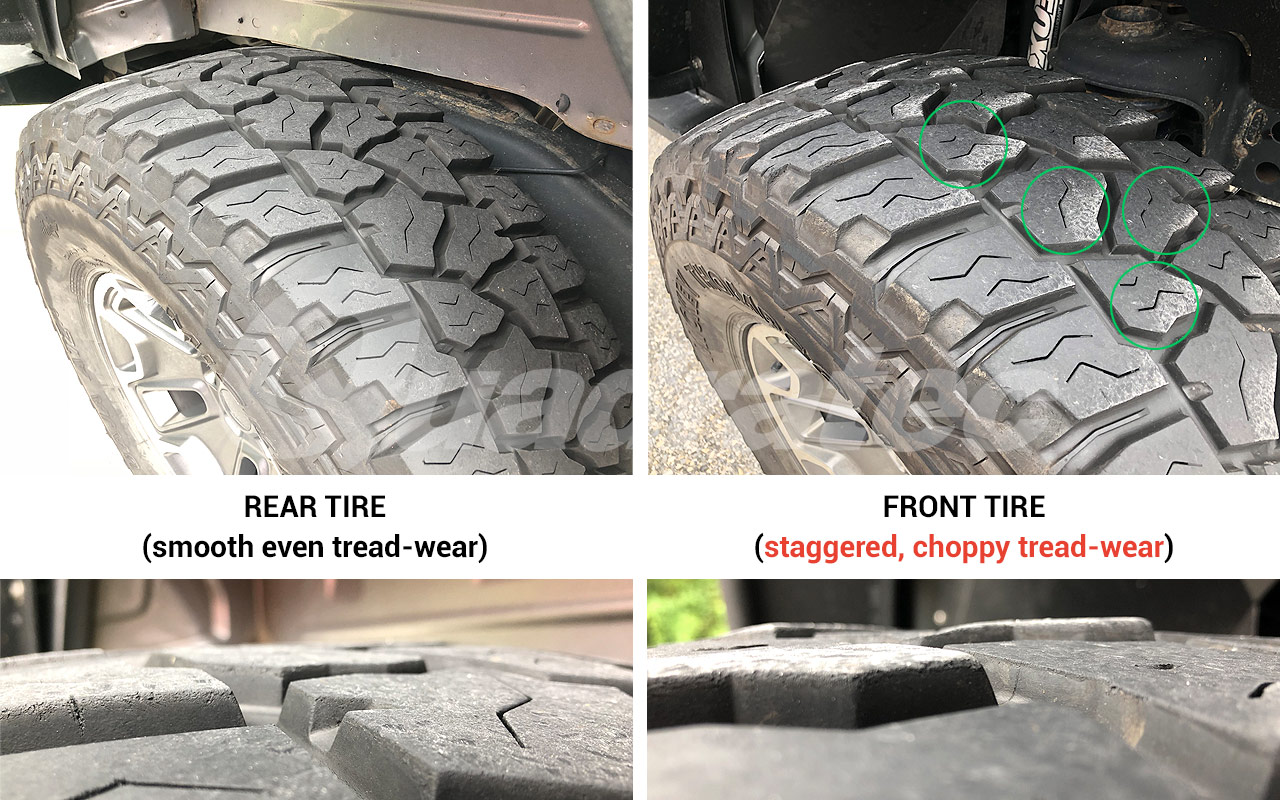
When your tires are not rotated on a regular basis, ‘cupping’ can occur. This is an issue where your tread blocks wear at a different rate, and that causes a vibration in your Jeep as you drive down the road. You can see this if you take time and look at the tread blocks. You'll notice the front of the block is more worn than the rear, and if it's bad enough, all the rotating in the world isn't going to fix the problem.
So if you take one thing away from this article, make it this: ROTATE YOUR TIRES OFTEN. You'll get more life out of them, and they will be safer for you. Also, a proper alignment following a tire change or other major driveline modification like a suspension lift, will definitely help keep that tread wear even.
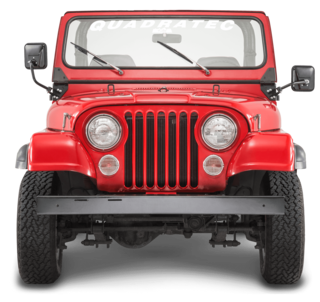
Time is also not a friend of your tires. Remember those ones you bought 10 years ago for that CJ7 project sitting in the garage? Well, even though the tires only have 37 miles of wear, they need to be replaced. Sorry to be the bearer of bad news, but by now those things are a dry rotten mess, and there is a good chance when you get out on the highway, they could fall apart. In reality, tires have a service life anywhere from 6-10 years — regardless of use.
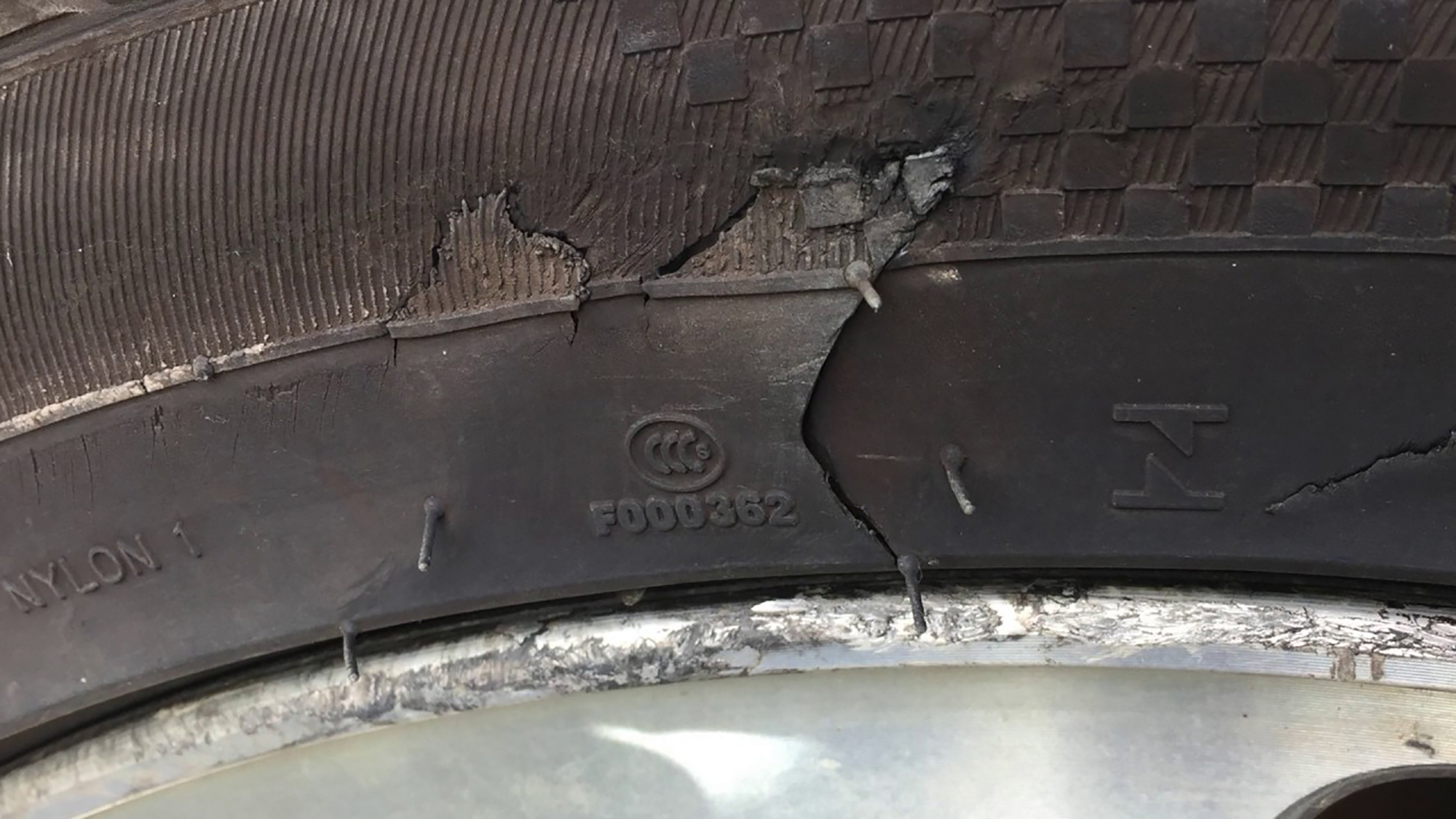
Another issue that can affect tire life is sidewall damage. This can be a real safety issue for any tire, but even more so for Jeep tires. Since many of us enjoy getting out on the trails and smashing our tires into rocks, we tend to be in a higher risk bracket for this problem. Sidewall damage is no joke, and if you have things like a chunk of rubber missing, a bubble, or even a hole, then replace that tire right away. A sidewall problem is one of the most serious safety concerns for a tire, as the structure of the tire has been compromised.
Now that you know some of the major reasons to replace your tires, feel free to tell your significant other that you have any, or all, of these problems with your Jeep tires — and the safest option is to purchase that next size up. Because, chances are, you probably already have a well formed argument for upgrading to those 40-inch-tires.