






by Matt Konkle
Quadratec Channel Editor
With things like cleaner cars, autonomous vehicles, connectivity and electrification all swirling around the automotive industry, Fiat Chrysler Automobiles Wednesday approved a merger deal with European automaker Groupe PSA—builders of Peugeot, Opal and other smaller platform vehicles.
The announced merger will create the world's third-largest automaker by revenue with a combined $189 billion in sales, and fourth-largest by volume per year at 8.7 million vehicles. Overall, the combined entity is valued at $47 billion, according to industry observations.
This “new entity will have the leadership, resources and scale to be at the forefront of a new era of sustainable mobility,” FCA said in a statement.
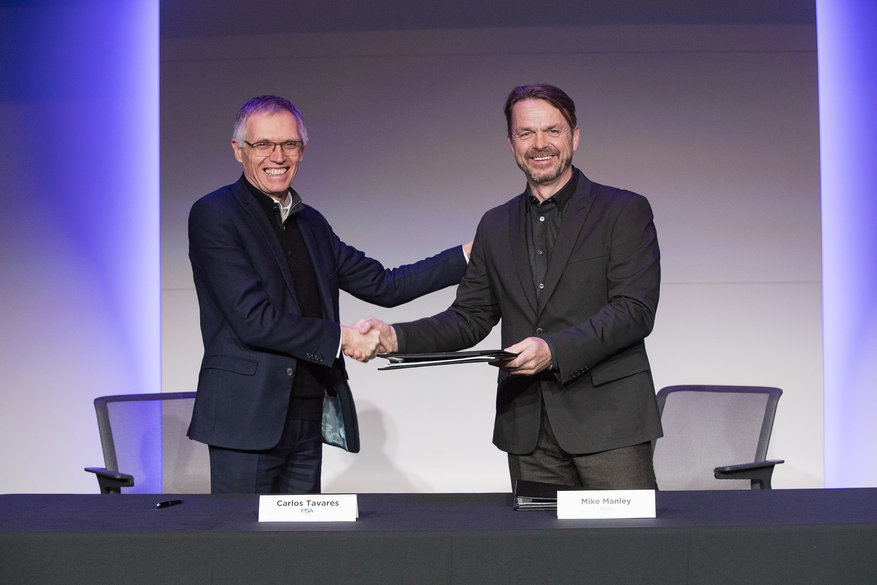
The combined company will feature PSA CEO Carlos Tavares at the helm, with current FCA Chairman John Elkann holding the same position in the new organization, the companies said in a joint statement. Current FCA CEO Mike Manley will remain with the new organization in a senior executive role role, Tavares said.
In a letter to FCA employees, Elkann said he was "delighted" the merged companies would be led by Tavares. "And Mike Manley, who has led FCA with huge energy, commitment and success over the past year, will be there alongside him."
“This is a union of two companies with incredible brands and a skilled and dedicated workforce,” Manley said. “Both have faced the toughest of times and have emerged as agile, smart, formidable competitors. Our people share a common trait - they see challenges as opportunities to be embraced and the path to making us better at what we do."
Tavares said PSA and FCA are now in a stronger position together. "The challenges of our industry are really, really significant," he said in a Wednesday conference call with reporters. "The green deal, autonomous vehicles, connectivity and all those topics need significant resources, strengths, skills and expertise.”
By merging, PSA and FCA said they aim to achieve an annual cost savings of $4 billion, which will come mainly through technology sharing, purchasing, marketing, administrative and logistics.
Unlike FCA’s balance sheet, which saw its North American operations produce the majority of its revenue, the new company would see more of a balance between NA (43 percent) and European revenue (46 percent), PSA said in a release.
”With its combined financial strength and skills, the merged entity will be particularly well placed to provide innovative, clean and sustainable mobility solutions, both in a rapidly urbanizing environment and in rural areas around the world,” PSA said in a release. “The gains in efficiency derived from larger volumes, as well as the benefits of uniting the two companies’ strengths and core competencies, will ensure the combined business can offer all its customers best-in-class products, technologies and services and respond with increased agility to the shift taking place in this highly demanding sector.”
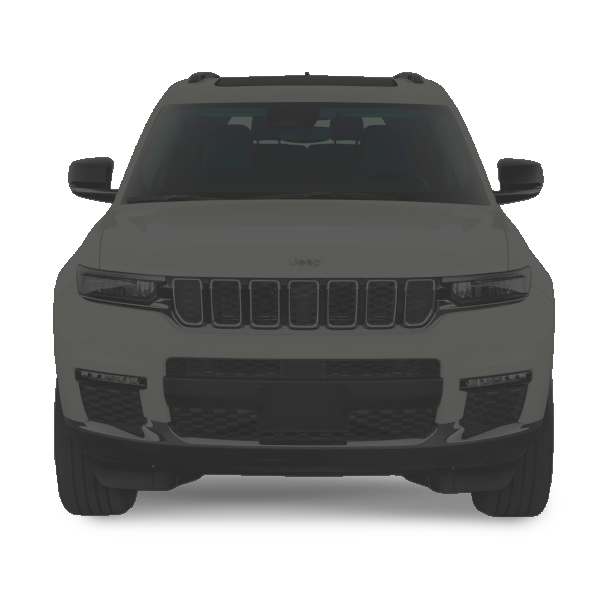
The merger deal will give PSA a long-sought-after presence in the U.S., while helping FCA gain ground in developing low-emission technology, where it has fallen behind many of its rivals. FCA will also gain access to PSA's more modern vehicle platforms, which should help it meet tougher new emissions laws, while PSA will majorly benefit from FCA's profitable U.S. lineup that features Ram and Jeep.
While no vehicle lineup specifics were announced, both automakers indicated to shareholders in a statement that FCA’s strength is its SUV and truck lineup in North America as well as premium and luxury brands.
"At this stage nothing is decided. We have been evaluating the opportunities," Tavares told reporters.
Completion of the proposed combination is expected to take place in 12-15 months, the companies said in a statement, and all current operations will continue as normal through the process.
FCA and PSA first announced their intentions to merge back in October, and the companies have been evaluating specifics since that time.
“Our merger is a huge opportunity to take a stronger position in the auto industry as we seek to master the transition to a world of clean, safe and sustainable mobility and to provide our customers with world-class products, technology and services,” Tavares said. “I have every confidence that with their immense talent and their collaborative mindset, our teams will succeed in delivering maximized performance with vigor and enthusiasm.”
The two automakers said they would come up with a name for the merged company over the coming months.