











by Matt Konkle
Torque Editor-in-Chief
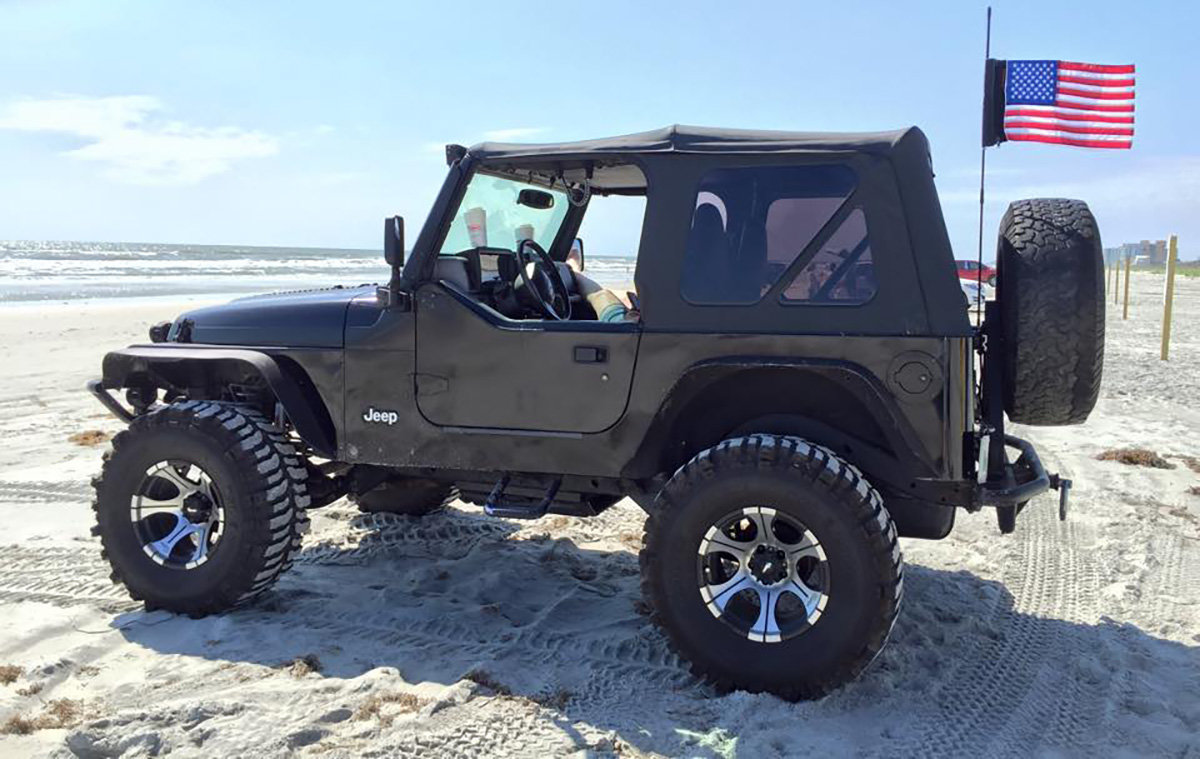
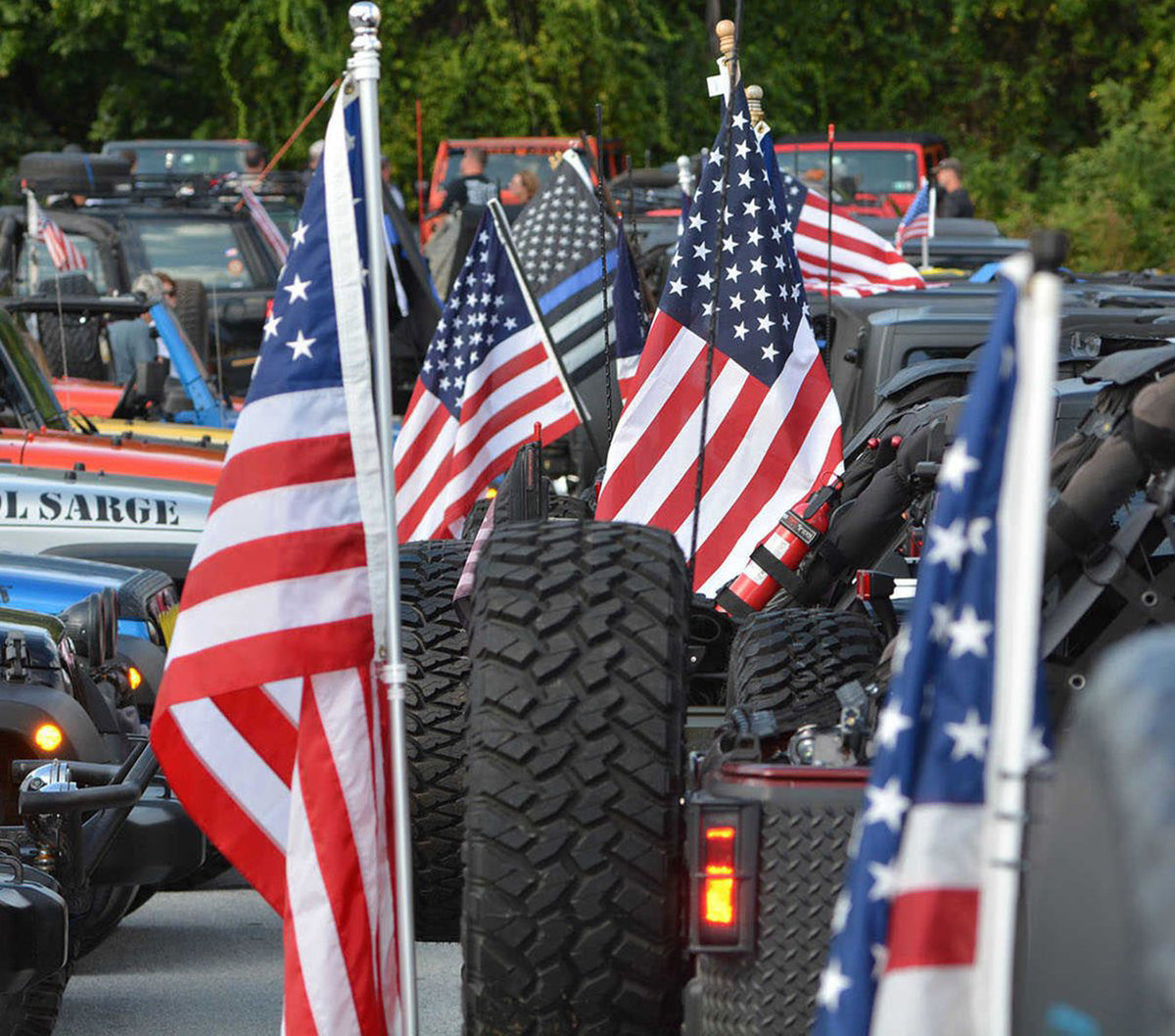
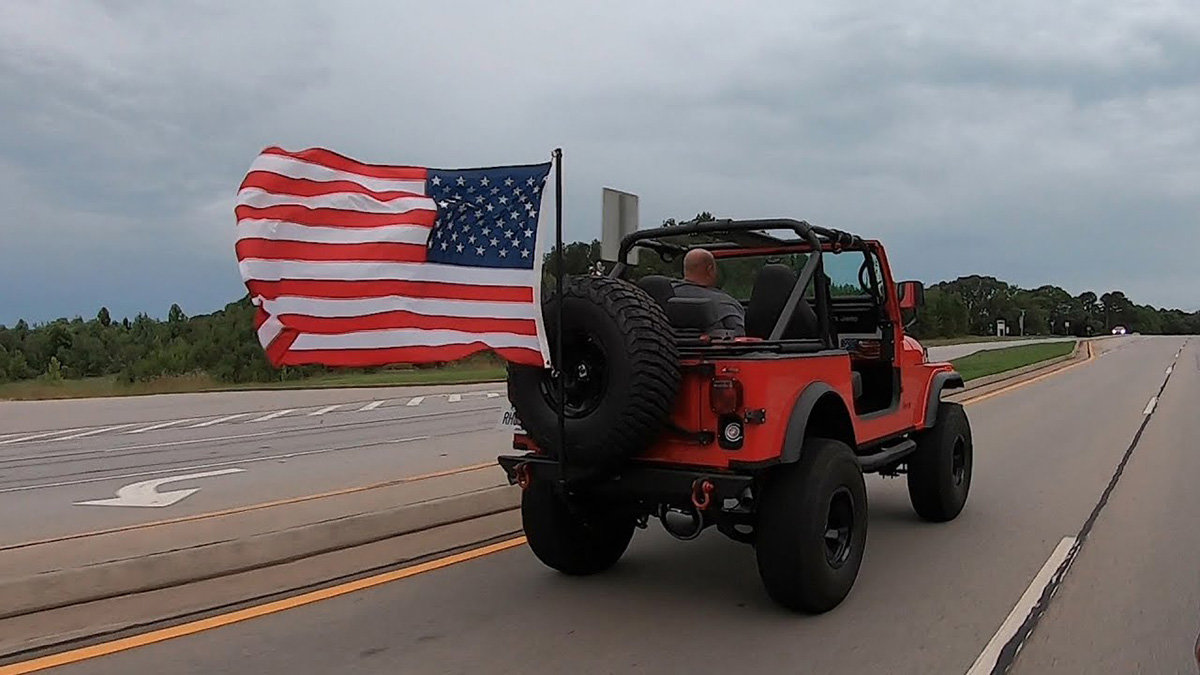
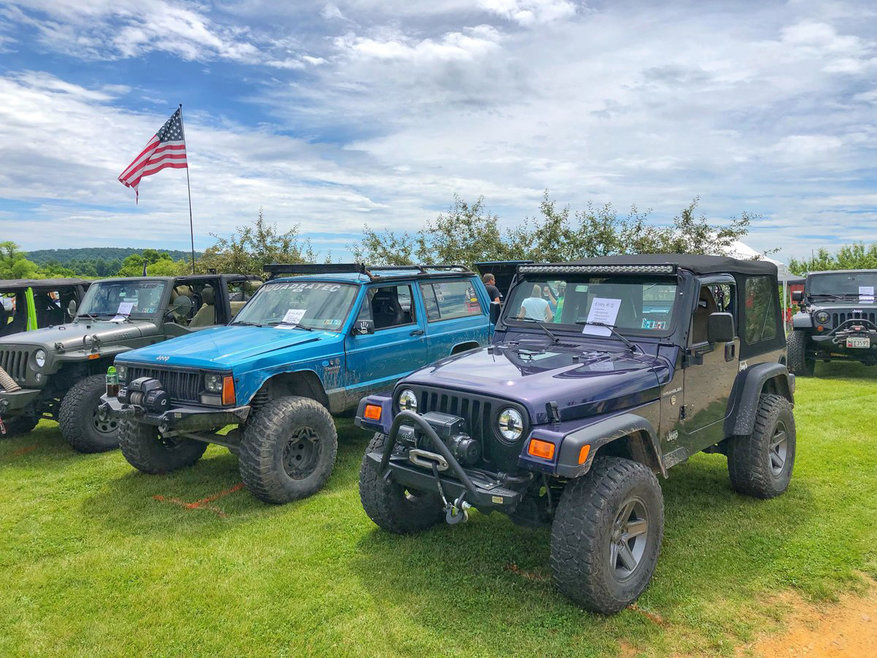
Attend just about any Jeep event, or simply keep a closer eye on many of the Jeeps you pass on the road, and you’ll see all kinds of ways the Jeep community displays the United States flag on their vehicle.
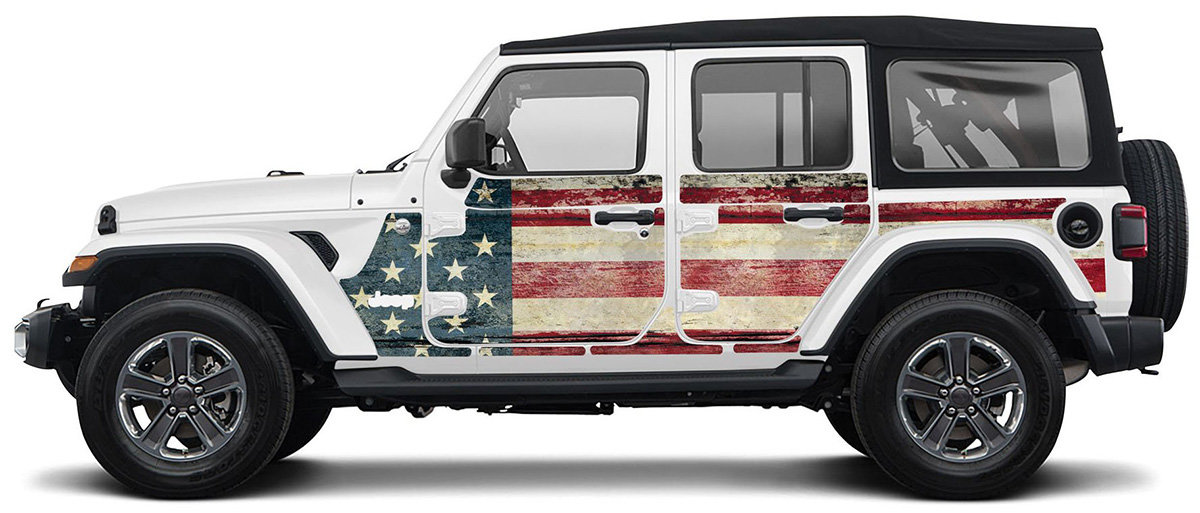
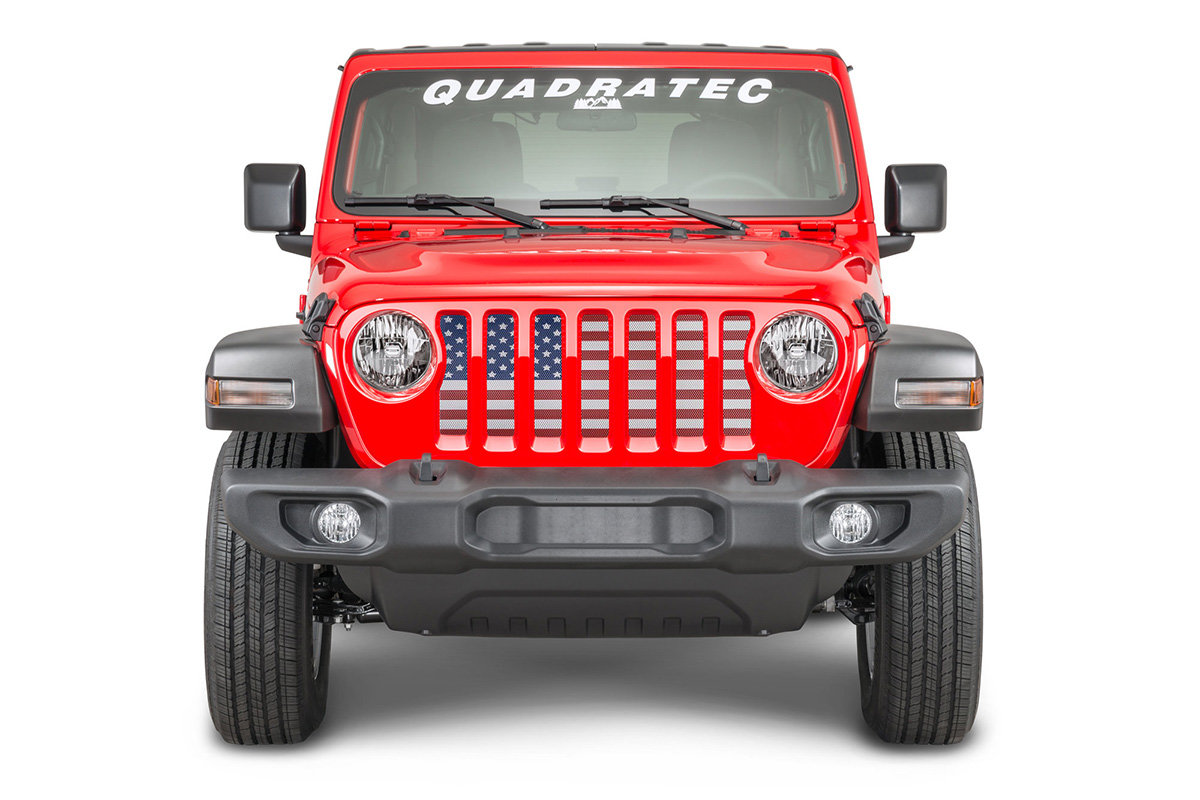
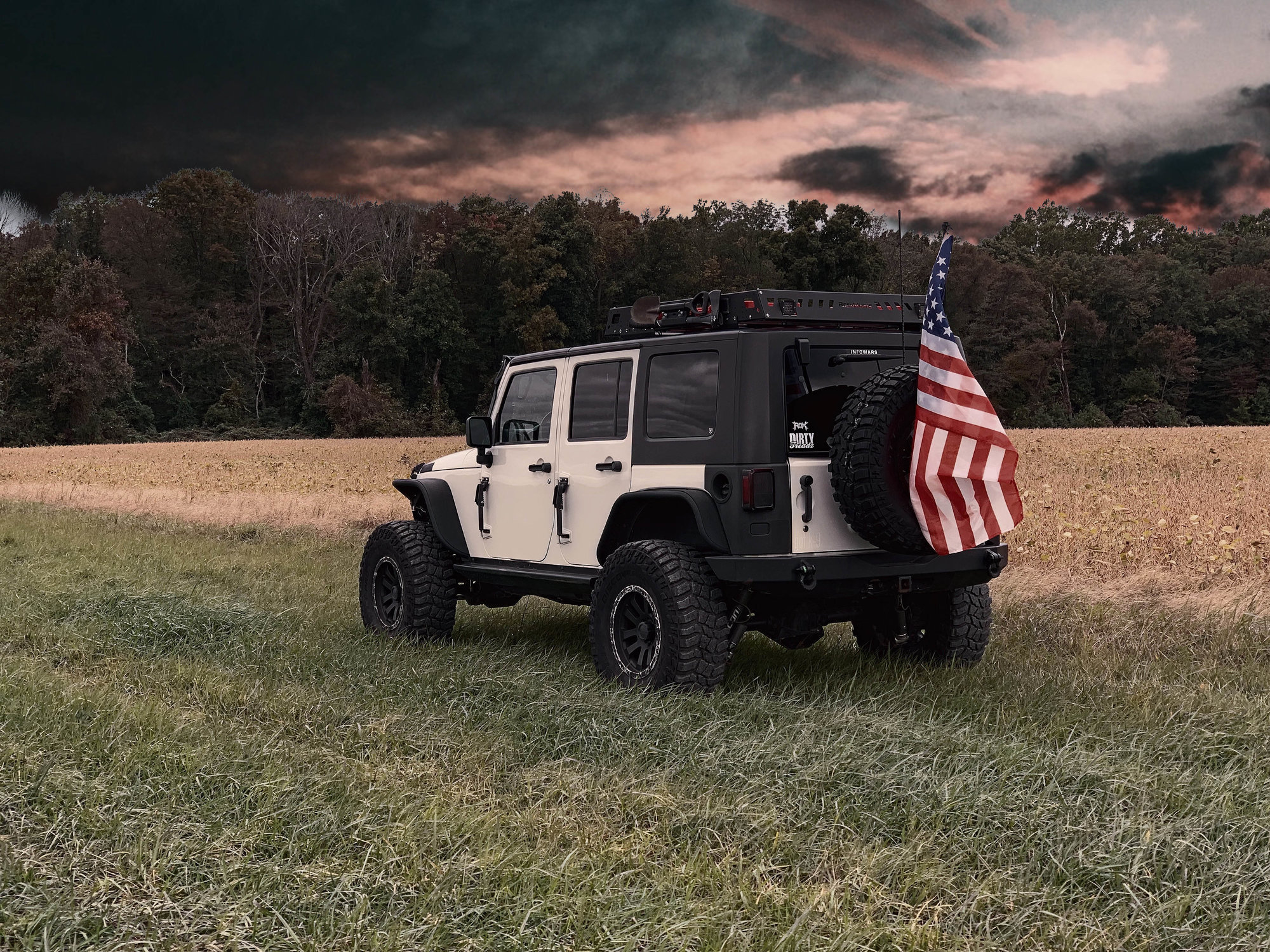
From flags that wave on posts secured to the rear bumper, or spare tire, to window designs, stickers, grille inserts, bikini tops and even full wraps, Jeep owners are certainly not short on patriotism.
And why not. Jeep has played a role in many of our country’s most defining moments over the last 80 years — from helping win a World War, all the way up to assisting first responders and others simply get to work in challenging weather so they can help keep us all moving forward.
So as we recognize and celebrate Flag Day today, June 14, here are five things you may not know about the American Flag and the holiday.
It was an Assignment
Our current flag wasn’t created by some government organization or committee. Instead, it was a school project and a 17-year-old Ohio student named Bob Heft borrowed his mother’s sewing machine, disassembled his family’s 48-star flag and stitched on 50 stars in a proportional pattern. This was in the late 1950s when it appeared certain Alaska and Hawaii were going to join the Union.
However, Heft’s teacher wasn’t impressed with the effoty and gave the kid a B-minus. Still, the design made its way to Ohio Congressman Walter Moeller, who presented it to President Eisenhower. After Alaska and Hawaii formally became states, Eisenhower chose Heft’s design as the country’s official flag. By the way, Heft’s teacher ended up changing his grade from that B-minus to an A.
It was a Passion
Wisconsin teacher Bernard J. CiGrand walked into his one-room schoolhouse in 1885, stuck a 10-inch flag in an inkwell, and asked his students to write an essay on its meaning. Over the next 50 years, CiGrand took his enthusiasm and wrote all kinds of articles in support of making Flag Day a national holiday. Unfortunately, even though President Woodrow Wilson recognized Flag Day in a 1916 address, CiGrand died from a heart attack 17 years before Congress officially made Flag Day a holiday in 1949.
It’s Not a Randomly Picked Date
Congress didn’t just throw darts at the calendar and select June 14 as Flag Day. The date is actually meaningful as it signifies the exact day the Second Continental Congress adopted the 13 stripe, 13 star flag as America’s official banner in 1777. They were busy writing the Articles of Confederation at the time, but took a break to pass a resolution that said “the flag of the United States be 13 stripes, alternate red and white,” and “the union be 13 stars, white in a blue field, representing a new constellation.”
It Was Not Initially a Uniform Design
Despite that 1777 resolution, Congress did not set the size or proportions of the flag, or even what shape the constellation of stars should look like. As a result, flags from that era showed the constellation of stars in different arrangements, and flags were made with differing proportions. It was not until 1912 that the flag’s design was standardized.
Betsy Ross?
Despite what you were taught in school, there really isn’t any evidence confirming Betsy Ross helped construct the first American flag while she was repairing uniforms and sewing tents. In fact, until her grandson William Canby relayed his version of her story to the Historical Society of Pennsylvania in 1870, no one even linked her with the flag design at all.
According to Canby, Ross had been presented with a design that featured 13 red and white stripes and 13 six-pointed stars, and was asked if she could create a flag to match the proposed design. She agreed, but made some changes, including arranging the stars in a circle and reducing the points on each star to five instead of six.
Even though no official documents were found to support this claim, Harper’s New Monthly Magazine” published Canby's account in 1873 — eventually leading to U.S. History curriculum across the country teaching this to students as fact.