








by Matthew Konkle
Managing Editor
It might happen at a gas station. A red light. The grocery store parking lot.
Another Wrangler rolls past. Maybe a CJ.
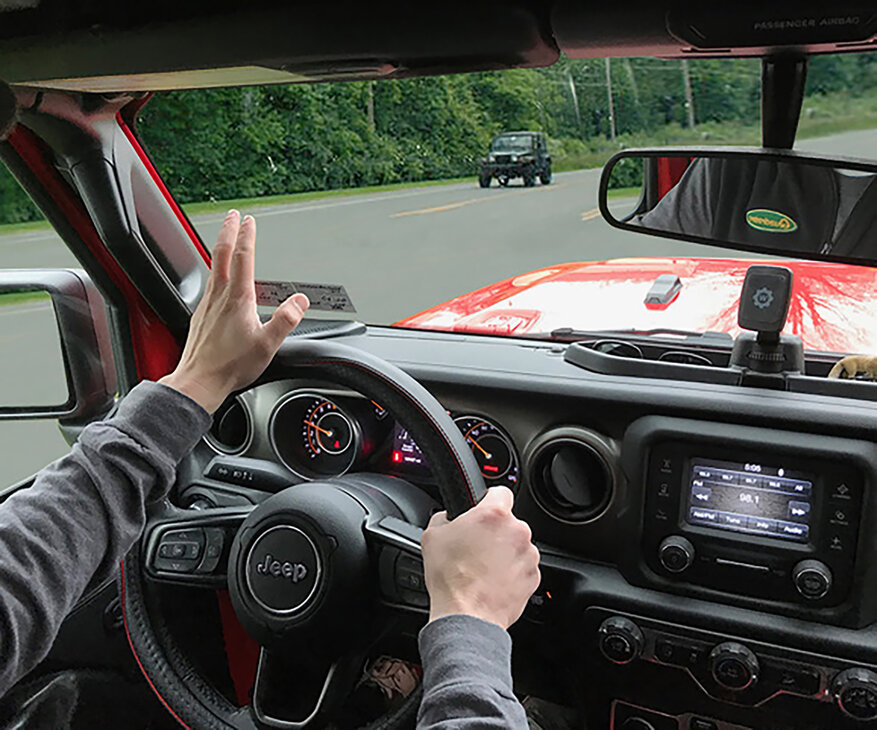
The driver lifts two fingers off the wheel.
If you’re new to the Jeep world, you’ll check your tire. Or wonder if you know them.
You probably don’t. Instead, you just got your first Jeep Wave.
See, owning a Jeep isn’t like owning a car. It’s a club. A culture. A machine that asks a little more from you and gives a lot back. Whether you just drove home a brand-new JL or dragged a TJ out of a field, here’s what you need to know from day one.
Learn the Alphabet
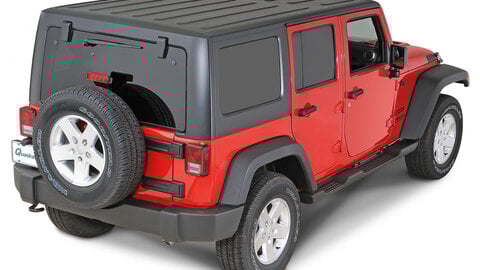
In the Jeep world, model codes sometimes matter more than model years. While there are a bunch of these codes stretching back to Jeep’s 1941 birth, here are some of the bigger ones to know:
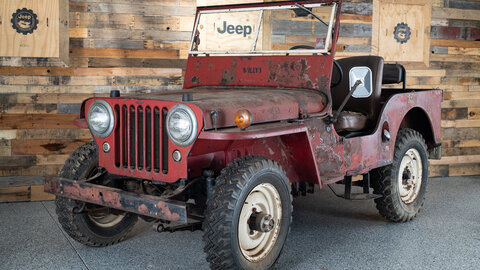
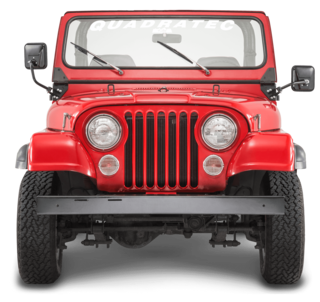
- 1955-1983 CJ5
- 1976-1986 CJ7
- 1981-1986 CJ8 Scrambler
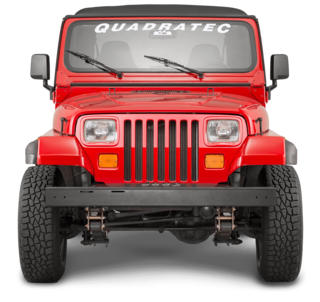
- 1987-1995 Wrangler YJ
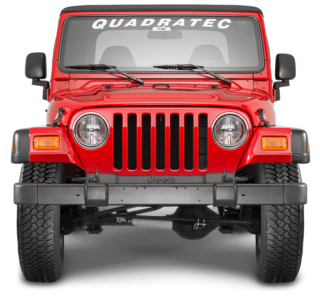
- 1997-2006 Wrangler: TJ
- 2007-2018 Wrangler: JK
- 2018-present Wrangler: JL
- 2019-present Gladiator: JT
When you look for parts online, it may not be enough to know the model year of your vehicle. You need to know that code. Without it, you could order, say, the wrong suspension part, wasting time and money.
So know your alphabet. It’s Jeep 101.
The Jeep Wave: Don’t Think, Just Do It
The Wave goes back to World War II. Soldiers in Willys MBs would acknowledge each other the same way. With a wave, or a 'V' formed by two fingers.
It hasn't changed all that much over the years, either.
So, how does it usually work?
Well, there’s a saying that those in newer Jeeps wave first out of respect. In reality, wave at everyone. Wranglers, Gladiators, old CJs with faded paint. Don't be shy.
If someone doesn’t wave back, assume they’re distracted. Or newer than you. We’ve all been there.
4WD Isn’t a Magic Button
This is where new owners get into trouble.
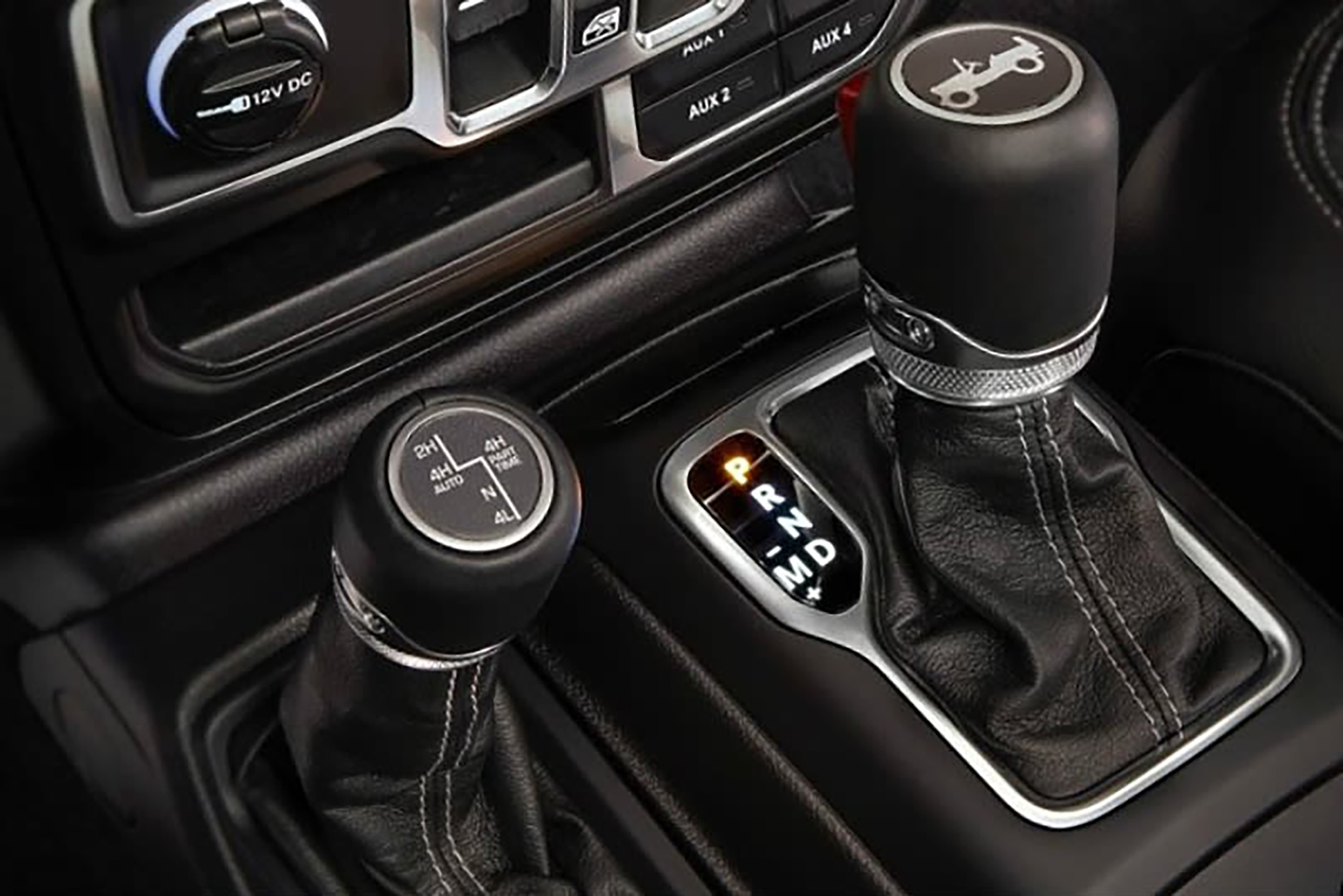
Most Wranglers are part-time 4WD. That means you’ll always be in 2H when operating on normal pavement. When you head off-road, you can switch to 4H at speed over snow, mud, or loose surfaces, then use 4L for slower speeds and more technical terrain.
Do your best not to drive in 4H or 4L on dry pavement. You could hurt the drivetrain and damage components.
If you have a full-time system (Selec-Trac), understand the difference. Read your vehicle's manual. Five minutes now saves thousands of dollars in repair costs later.
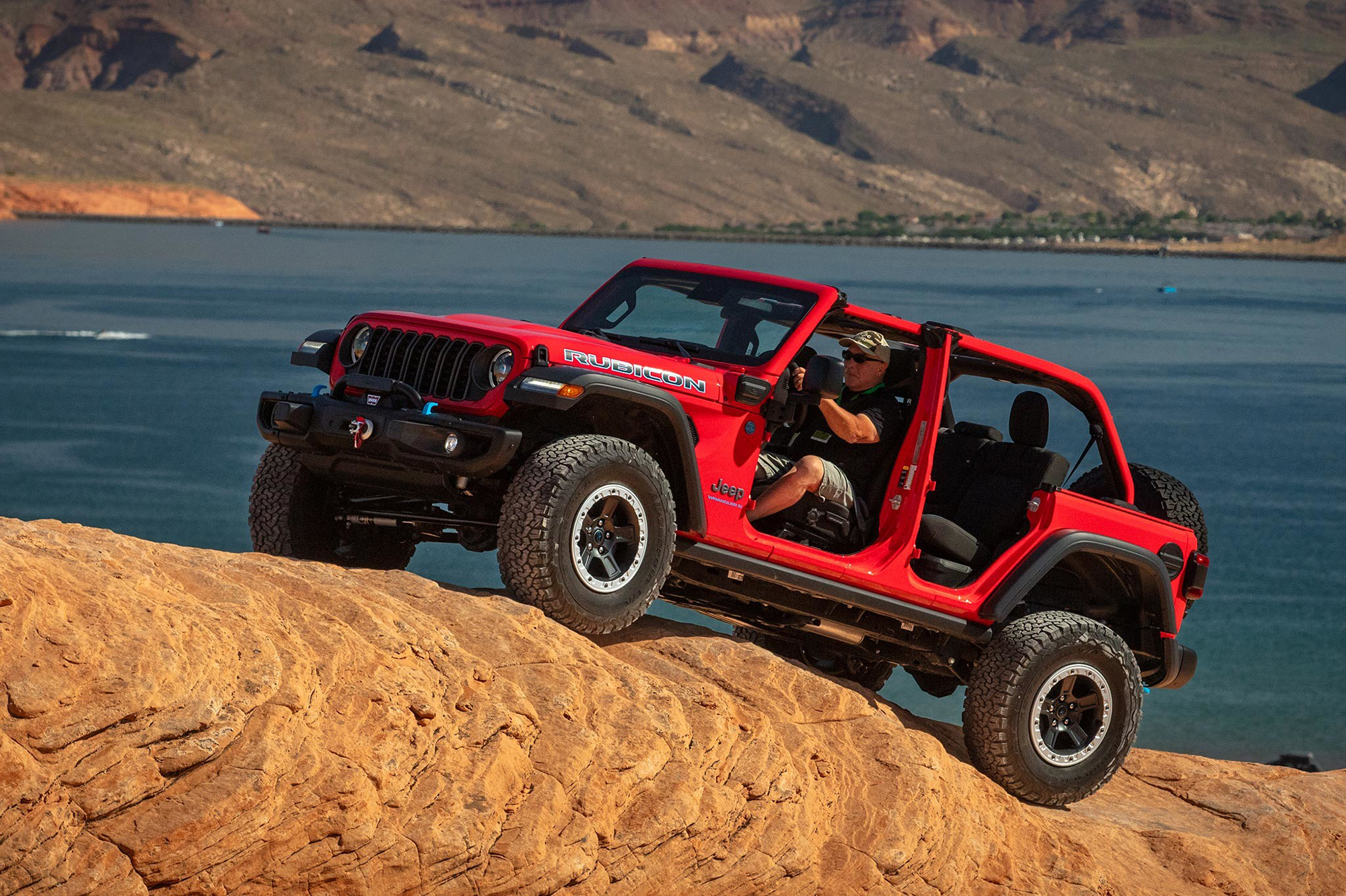
Taking the Top and Doors Off: Freedom With Responsibility
Yes, you’ve seen the advertisements. You may have seen others during warmer months in their Jeep running topless and doorless. It is one of the best parts about owning the vehicle.
But, there are some obligations. First, always check the forecast. It’s never fun wrestling with a soft top with water crashing down on you. If you have a hardtop Jeep and removed that top, well, start looking for some cover. Like under a bridge.
Next, secure and store any loose items inside the vehicle. There’s no trunk or security when the doors are off.
Then, learn your state’s mirror laws. You may legally need side mirrors once doors are removed. Also, find someplace safe to put those doors, like a storage cart or hangers. Don’t just throw them in the garage or back porch, as they could easily fall over and incur damage.
Death Wobble: What It Is and What It Isn’t
You’ll hear about it early. Hopefully not from going through it.
Death wobble is a severe front-end oscillation usually triggered when you hit a bump or dip in the road at higher speeds. It’s common in solid-axle vehicles when parts wear out or become loose.
It is not random or supernatural. And it is entirely fixable.
If you just purchased a new Jeep, then schedule a service appointment as soon as you can, as the vehicle will be under warranty.
If you recently bought a used Jeep and this happens, then check the wear on track bar bushings, suspension components for loose bolts, worn ball joints, or unbalanced tires. Don’t let anyone tell you it’s just a bad steering stabilizer. It’s not. It’s most likely one of those other things.
Should it happen to you one day, grip the wheel and slow down safely. The wobble will usually resolve itself at a lower speed. But make sure to inspect the front end immediately or have a friend/mechanic take a look to determine the culprit.
Don’t ignore it.
Modify With a Plan
The Jeep aftermarket is massive. It’s easy to overspend and underthink.
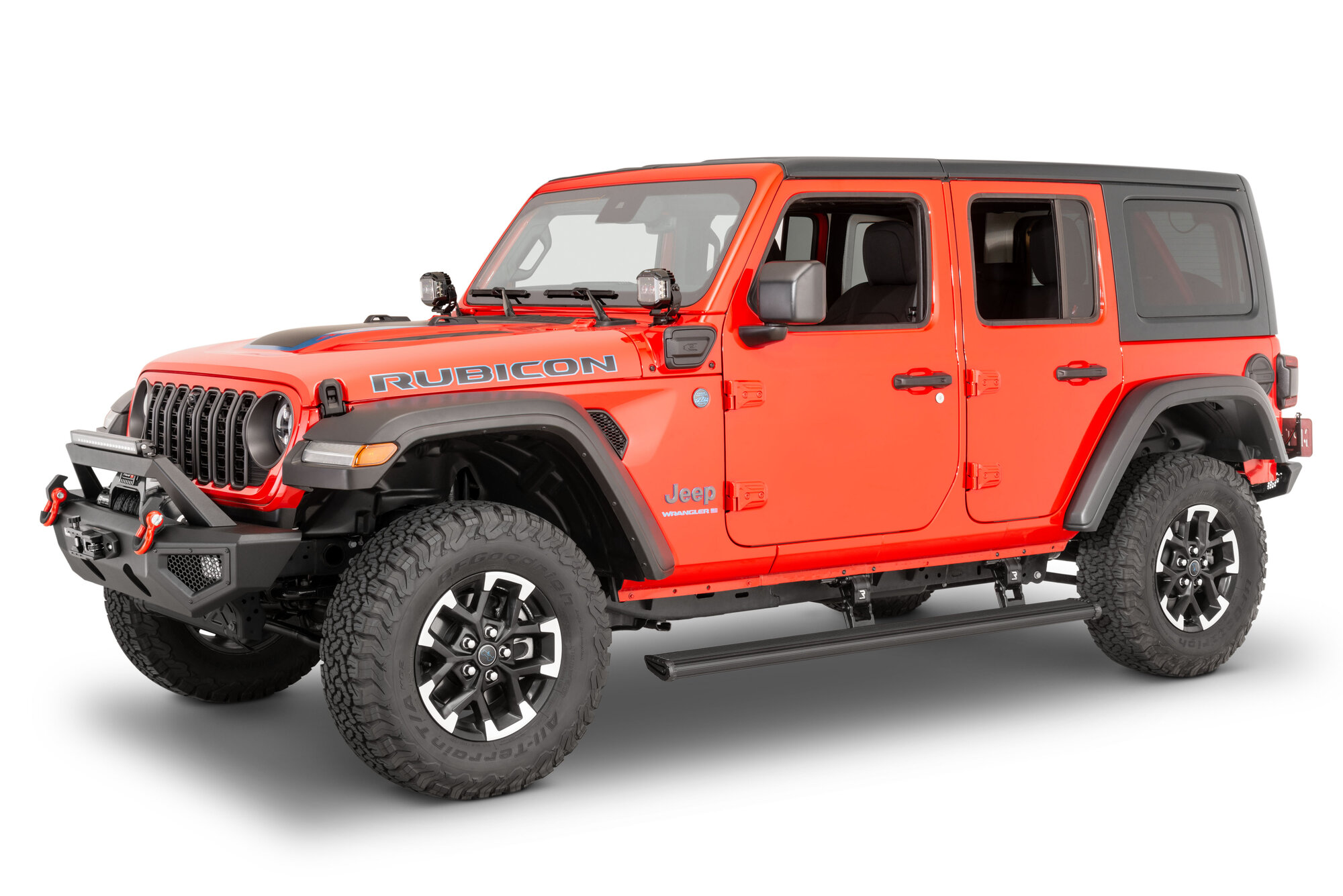
So before you lift your vehicle, or put on new bumpers, sidebars, tires and a roof rack, ask yourself what you actually want to do.
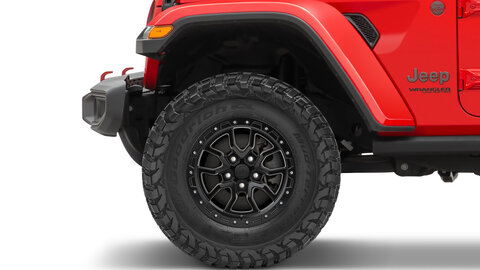
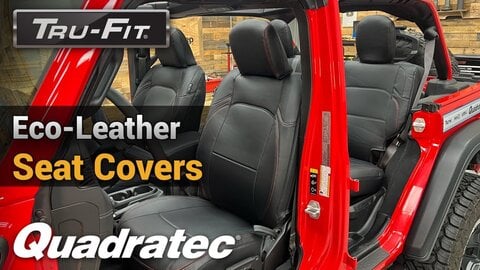
Are you more of a daily driver? Well, most new Jeeps come with street tires, so many newcomers look to upgrade to beefier, more aggressive rubber, like all-terrain tires. Also, better lighting, such as LEDs, is always a good choice, especially if you currently have dimmer halogen lights. For the interior: floor liners, seat covers and storage solutions are all excellent choices.
Do you want more of a rugged look, but don’t plan to head off-road? For that, new bumpers, side bars, auxiliary lights, and maybe a small spacer lift for additional ground clearance could be good options.
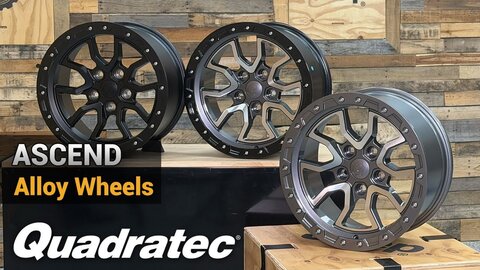
If you do plan on off-roading, then better (and larger) tires are pretty much a must. And if you go over 35-inch tires, then you’ll most likely need a suspension lift (depending on the vehicle) to provide that extra clearance. Additionally, things like protective bumpers, side bars, stronger differential covers, a winch, tougher steering components, as well as new wheels that have better offset and backspacing, are almost a necessity as well.
Remember, build for purpose. Not Instagram.
Unless Instagram is the purpose. Then own it.
Recovery Gear: Buy It Before You’re Stuck
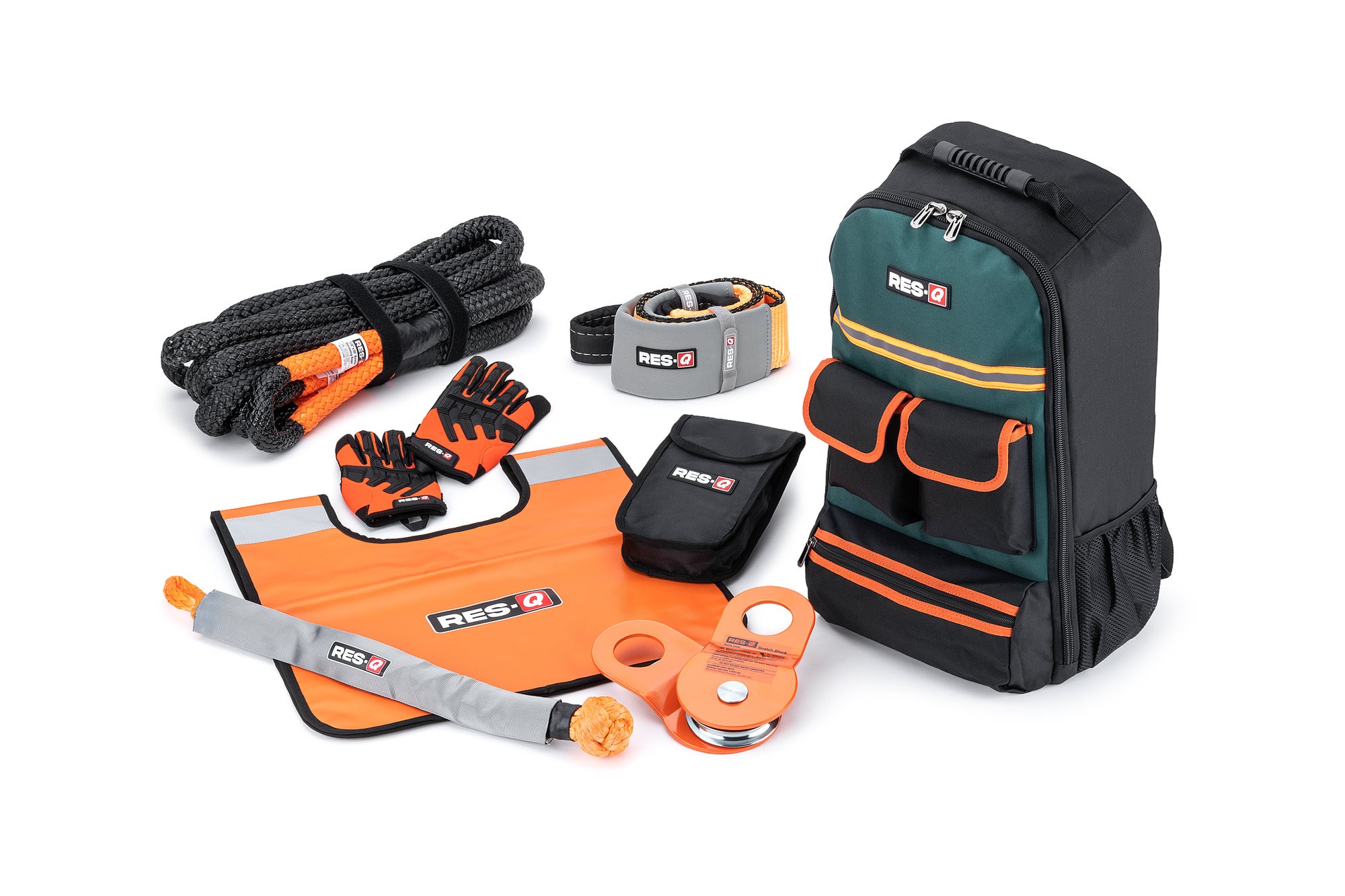
It doesn’t matter if you are a daily driver or a serious off-roader; every new owner should carry a decent set of recovery gear.
And if you are a new owner, you may not know what that means.
Well, recovery gear is pretty much the stuff that will get you (or someone else) out of a stressful, stuck situation.
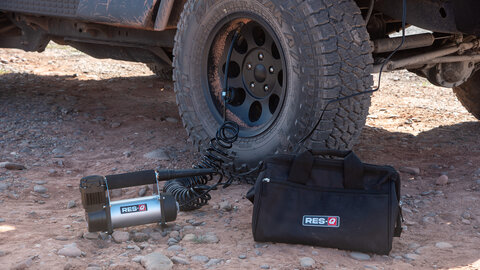
That means things like a recovery strap, tree saver strap, gloves, D-rings, or a soft shackle and traction boards. Many of those things come together in a good recovery kit, so you don't have to buy them separately.
Then, watch some videos, or take a class, to make sure you (safely) understand how all that stuff works.
Maintenance Is Everything
Jeeps are fun. They’re not low maintenance.
And if you do any kind of off-roading, stuff like water, mud, and other trail debris can increase that need for maintenance. For that matter, so can larger tires and lift kits that put added stress on driveshafts, brakes and steering components.
So, as a new owner, plan to stay ahead of things like tire rotations every 5,000 miles, oil changes, battery health, filters, and even differential fluid if you get into serious off-roading and/or do a lot of deeper water crossings.
If you do modify the vehicle, check the bolts and bushings of steering and suspension components so you notice a problem before they wear out.
Sure, your Jeep will take you just about anywhere you want to go, on- and off-road. It just wants a little more attention than the average vehicle.
It Will Rattle. That’s OK.
Solid axles. Removable tops and doors. Body-on-frame construction. All of it is what makes a Jeep, well, a Jeep.
You will hear squeaks. You will chase mystery noises. Welcome to the experience.
Not every sound means something is wrong. Don't worry. Over time, you’ll learn the difference between character and a problem.

Join the Community Early
When you buy a Jeep, you don’t just get a vehicle. You join a family. One that’s been around 80-plus years.
So don’t let that experience go to waste.
Search out local clubs in your area and attend their events. These groups will teach you more in one hour than you’ll be able to accomplish on your own in twenty.
You’ll learn how to properly use four-wheel drive, how to do routine maintenance on your own, how suspension and steering components work, and where they are on your Jeep, what your stock Jeep can do, and what you’ll need to safely go rock crawling.
And if you do head off-pavement, you’ll also learn proper spotting techniques, trail etiquette, how to pick lines over obstacles, and top ways to Tread Lightly (among other things).
Plus, if/when something breaks on your Jeep, someone usually has a tool.
Overall
Your new Jeep isn’t just transportation. It’s participation.
Hopefully, you’ll get dirty in the process. Go topless when the weather cooperates. Spend money you didn’t plan to spend. Maybe make some friends you didn’t expect to make.
And somewhere along the way, perhaps you’ll catch yourself waving first.