









by Matthew Konkle
Executive Editor
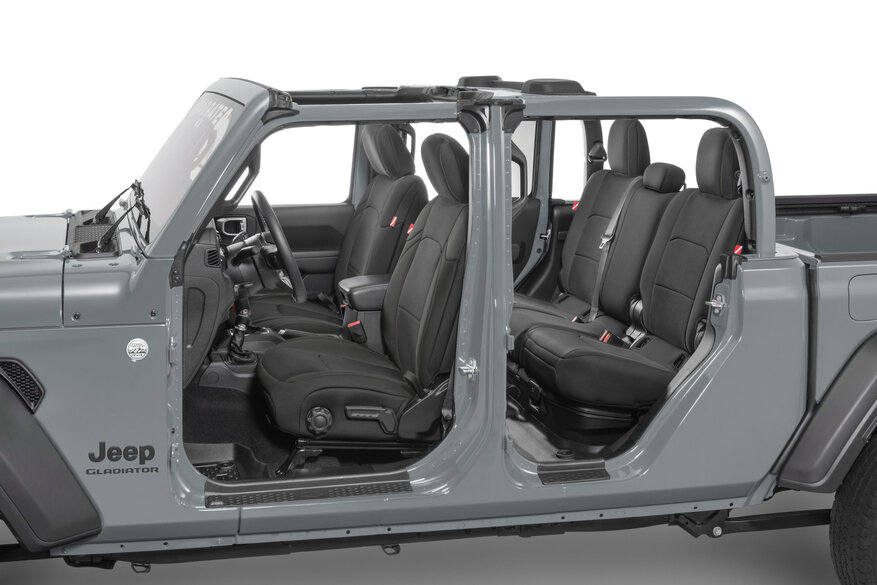
Comfortable, protective neoprene seat covers have long been one of our top-selling styles. And with plenty of available options like Diver Down and Wet Okole that offer numerous different color options, there is also plenty of room for customization.
These innovative covers are also perfect for sunny, open-cabin days when the top stays off, and fresh air is abundant throughout the vehicle, as that neoprene neatly manages to stay cooler during warmer months.
However, with that open top comes the chance of dirt, mud, or some other material nestling up to that neoprene—especially during off-road adventures. Or, perhaps a coffee stop accidentally turns into a spill. Maybe even some escaping ketchup during a lunch run.
Yup, like most other stuff on your Jeep, those neoprene covers can get dirty from time to time and should be on a regular cleaning schedule.
Luckily, these covers are easy to remove and can be touched up right in your driveway or, if you want, even at the self-clean car wash when you are giving your whole Jeep a bath.
Additionally, because the cover’s actual neoprene is attached to a nylon outer lining, the entire cleaning process is much easier than you may think and won’t take you much time before the covers appear showroom fresh.
So here is what you need to do:
Remove the seat covers from your Jeep
This may seem fairly obvious, but we’ve definitely seen people try to work on neoprene seat covers while still attached to the Jeep seats. And while you can dab up smaller stains with a damp cloth, it is far more effective to do a thorough cleaning after removing the covers entirely from the vehicle.
Most neoprene covers fit over the seats with hook-and-loop attachments that lock the product in place. Simply undo the hooks, pull out from under the seat, and then slide off the neoprene. While we’ve never encountered covers that are difficult to remove, it may be possible if they are older, have stiffened a bit from UV damage, or have never been removed before. If so, you can use a hair dryer to loosen and then slip them off.
Soap and Water
Once out of the Jeep, you can use a driveway, sidewalk, or even a spot next to the vehicle at a car wash to lay the covers flat on the ground. Then, fill a bucket with warm water and mild soap. You can use any type of mild soap if needed, but tracking down seat cover shampoo from Wet Okole definitely helps. One thing you do not want to ever use is bleach, as this will permanently discolor any fabric color.
When cleaning, do not use any kind of machine like a powerball or brush as this can scratch the fabric. Instead, use a lint-free cloth to hand scrub stained or problem areas. Also, be sure to scrub in different directions to ensure you remove all dirt and stains. When satisfied, rinse all areas with fresh water until the excess soap is gone.
For serious or baked-in stains, like after a day on the trails with mud spatter or dirt everywhere, then a trip into the washing machine can work. Just, again, make sure to not use any bleach, or any detergent with bleach during the process.
Vacuuming
If it is dust, pollen, or pet hair showing on those neoprene seat covers, then a quick wipe down and some passes with a vacuum are all you’ll need to restore a factory-level condition.
Drying
It may seem faster to toss the covers inside a dryer when finished cleaning, and some people have done that before, but it is highly recommended to simply let the covers air dry to ensure there is no fabric damage.
After rinsing, gently squeeze out excess water from the covers until they are merely damp, and then find a good spot to let them sit for a bit. Make sure you are not too forceful so you don't stretch out the fabric. Also, definitely do not use an iron on the material at all, because it will damage the covers.
If any dirt or stain areas persist, try using a stain remover. But before spraying the remaining stain area, be sure to test the remover in an inconspicuous area to ensure it does not damage or discolor the fabric.
Protecting
With proper care and cleaning, your neoprene seat covers will last for many years. Following a good wash, consider adding a solid seal on the neoprene fabric, such as Diver Down UV Protectant that also shields against sun damage. Or something like 303 All Purpose Cleaner that keeps material fresh, breathable, soft, and enhances color.
It is also highly recommended to use a UV spray on the covers regularly to keep them from drying out— especially if you spend most of the warmer months doing top-down driving.
Finally, refrain from using any hydrogen peroxide or chlorine to eliminate odors, as both of these can damage the neoprene fabric. Instead, Wet Okole offers a Mirazyne spray that is 100 percent biodegradable and won’t harm the covers.