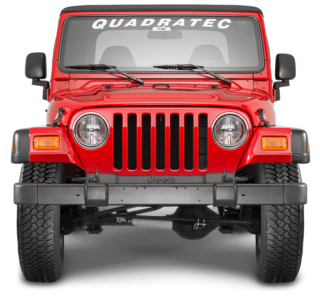
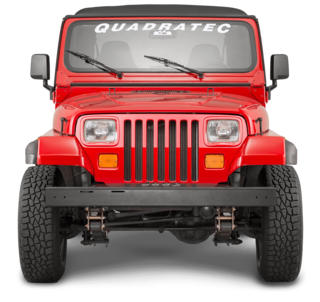
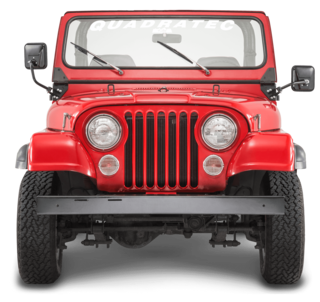








by Quadratec
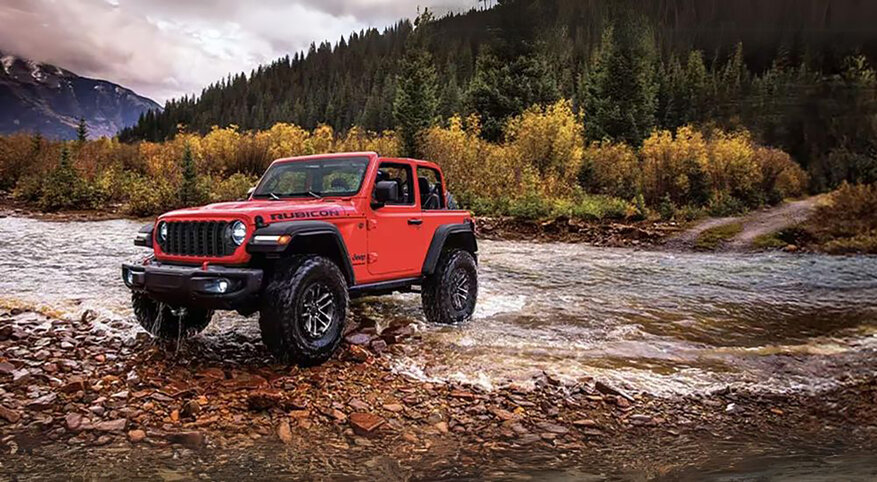
So, you finally did it. You bought a new (to you) Jeep Wrangler.
Whether it’s a square-headlight, early 1990s survivor with manual locks and questionable carpeting, or a tech-heavy JL with enough screens and sensors to qualify as a rolling Wi-Fi hotspot, you’ve officially entered the Wrangler world.
And that means a few things immediately happen. First, strangers driving other Jeep models will wave at you. Second, your friends will suddenly ask if you want company on those sunny, warm-weather drives. Third, you’re no longer simply driving a vehicle. You’re now participating in a long-running mechanical relationship built on equal parts capability, personality, and occasional troubleshooting.
Because, as you’ll learn, buying a used Wrangler isn’t like buying a used Camry. You don’t just change the oil twice a year and emotionally forget the thing exists.
Wranglers tend to live adventurous lives. They get modified, wheeled, lifted, submerged in mud, fitted with mystery wiring, and occasionally repaired using whatever happened to be sitting in the previous owner’s garage at 11:47 p.m.
The good news? Wrangler owners are also some of the most resourceful enthusiasts on the planet. Nearly every common issue has already been diagnosed, documented, filmed, debated in forums, and turned into a 42-minute YouTube tutorial.
And the even better news?
Most Wrangler issues aren’t catastrophic if you catch them early.
So, if you just bought a used Jeep and want to start ownership on the right foot, here are five important things every Wrangler owner should inspect immediately, broken down generation by generation.
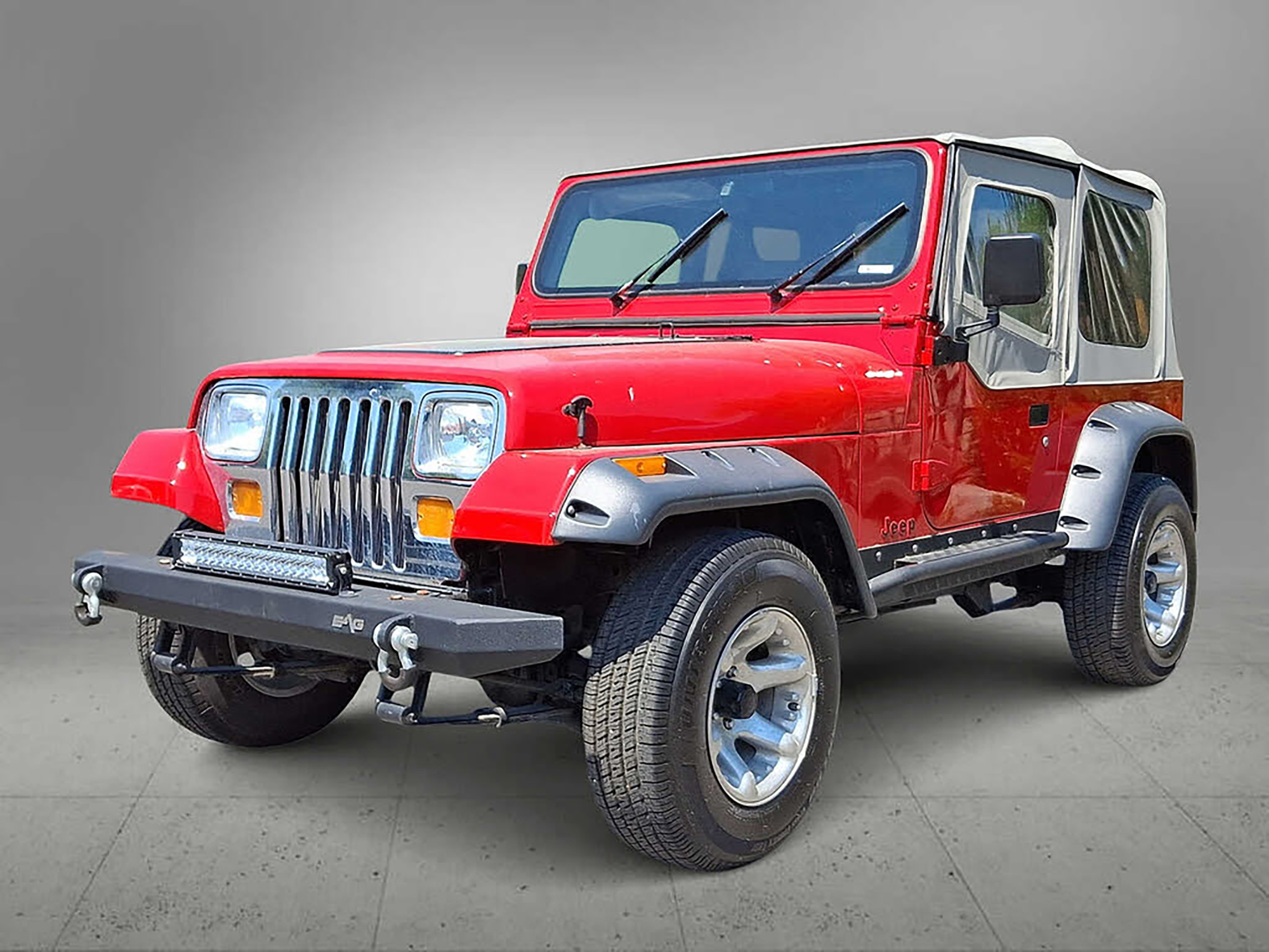
YJ Wrangler (1987–1995)
The Rugged Individualist Era
The YJ is one of the most misunderstood Wranglers ever built.
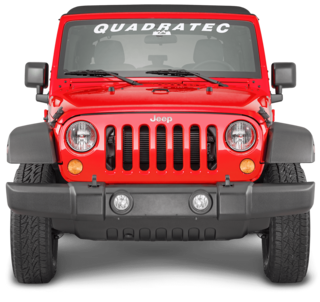
Purists spent decades complaining about the square headlights, despite the fact that the YJ helped drag Jeep into the modern SUV era while still retaining plenty of old-school AMC toughness underneath.
These Wranglers are simple, rugged, increasingly collectible, and now old enough that age itself becomes part of the maintenance schedule.
Which means your first inspection matters.
Check the Vacuum Disconnect System
The YJ uses a vacuum-actuated Central Axle Disconnect (CAD) system on the front axle.
Translation: a maze of tiny vacuum lines determines whether your four-wheel drive works properly.
If:
- The 4WD light doesn’t come on
- The front axle won’t engage
- Four-wheel drive feels inconsistent
…there’s a very good chance the vacuum lines are dry-rotted, cracked, or disconnected.
The upside is that most fixes are inexpensive. Many owners eventually replace the system entirely with a manual cable-actuated setup for better long-term reliability.
Inspect the Leaf Springs and Bushings
Factory YJ leaf springs ride about as gracefully as a shopping cart loaded with concrete blocks.
But if your Wrangler feels like it’s wandering, hopping sideways, or “walking” over bumps, the suspension likely needs attention.
Inspect for:
- Sagging leaf packs
- Broken spring leaves
- Cracked bushings
- Uneven ride height
- Rusted shackles
Fresh bushings and springs can completely transform how a YJ feels on the road.
Watch for Internal Slave Cylinder Leaks
On many early manual-transmission YJs, the clutch slave cylinder lives inside the bellhousing.
Which sounds fine, until it leaks.
If you see hydraulic fluid dripping from the bottom of the transmission area, there’s a good chance the internal slave cylinder has failed.
Unfortunately, replacing it requires removing the transmission.
Which means what starts as ‘just a small leak’ quickly becomes a full weekend project.
Inspect for Rust Everywhere
YJs are notorious for rust.
Sure, it is at least a 30-year-old vehicle, but that rust can be more than just surface rust.
Check carefully around:
- Rear leaf spring mounts
- Frame rails
- Skid plate mounting areas
- Rear crossmembers
- Driver-side floorboards
- Roll bar mounting points
Moisture trapped beneath old carpet padding often turns YJ floor pans into what can only be described as structural Swiss cheese, so that is also a good area to check. Additionally, a flashlight and some time underneath the Jeep may save you thousands later.
Clean the Ground Wires
The YJ electrical system is relatively simple compared to the Wranglers of today.
However, that can make bad grounds even more annoying. So, if you’re experiencing:
- Flickering lights
- Jumping gauges
- Random electrical weirdness
- Intermittent starting issues
...then start by cleaning the firewall ground straps and battery connections. Sometimes the solution to a ‘major electrical problem’ is literally ten minutes with sandpaper.
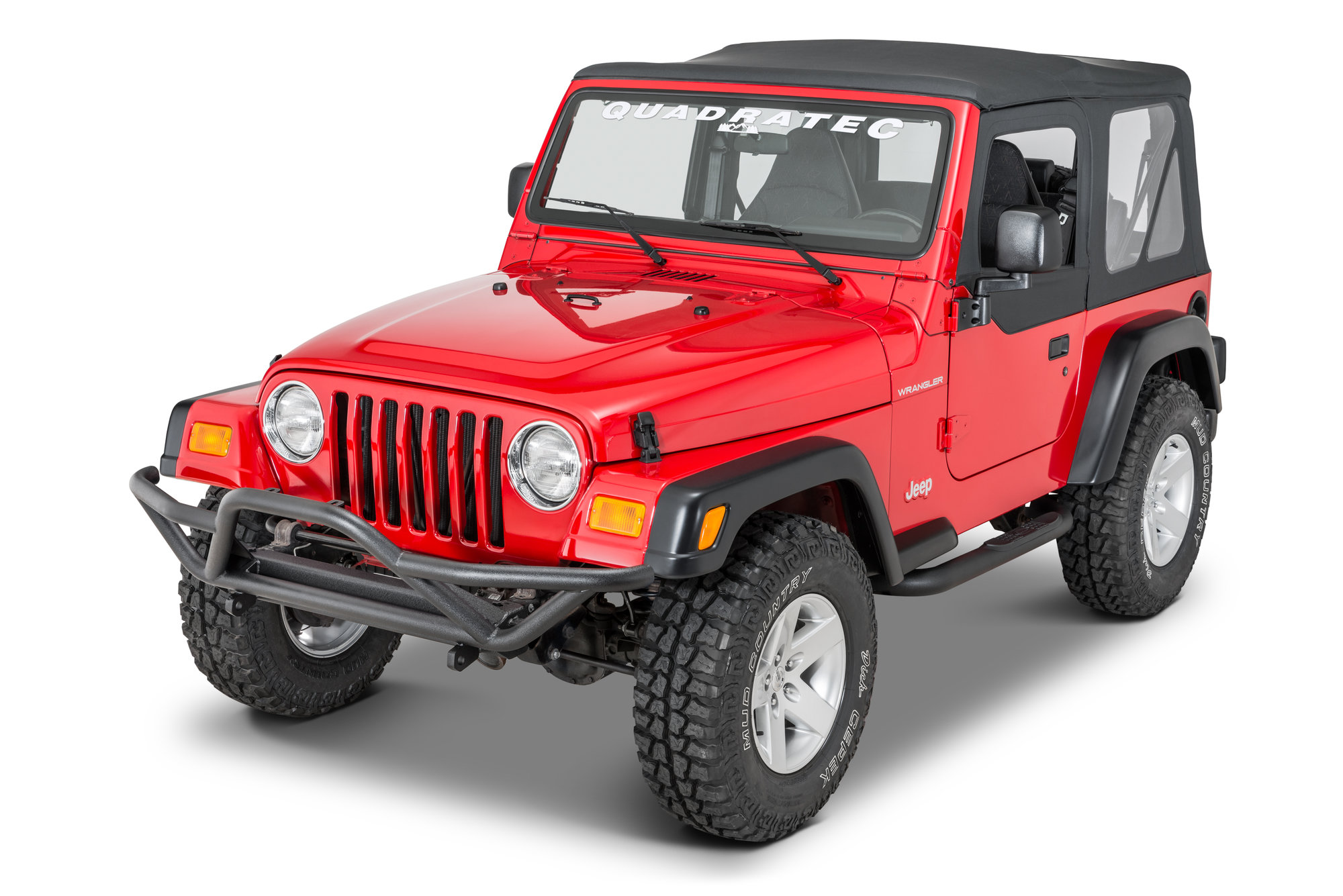
TJ Wrangler (1997–2006)
The Gold Standard
The TJ introduced coil spring suspension into the Wrangler brand, and instantly changed the vehicle forever.
Ride quality improved dramatically. Capability remained excellent. And the legendary 4.0-liter inline-six became one of the most beloved Jeep engines ever built.
Unfortunately, TJ ownership also comes bundled with one unavoidable truth:
The frames still rust.
Inspect the Frame Near the Rear Control Arm Mounts
This is the TJ issue.
Frame rust around the rear lower control arm brackets can become severe enough to create structural failure.
Inspect carefully around:
- Frame rails
- Rear suspension mounts
- Skid plate areas
- Inside frame sections
- Rear axle control arm brackets
Some TJs look perfectly clean outside while secretly aging underneath like abandoned shipwrecks. So don’t trust appearances.
Watch for OPDA Failure (2005–2006 Models)
Late-model TJ Wranglers equipped with the 4.0L engine can develop Oil Pump Drive Assembly (OPDA) failures.
Owners often describe the warning noise as sounding like a ‘laughing monkey.’ Which somehow became accepted Jeep diagnostic terminology. If ignored, OPDA failure can eventually damage the engine.
If your 2005-2006 Wrangler TJ doesn’t have documentation showing the OPDA was replaced or updated, it’s worth addressing proactively.
Check the Steering and Suspension Components
TJs can develop vague steering or front-end wobble as suspension components wear.
Inspect:
- Track bar
- Ball joints
- Tie rod ends
- Steering stabilizer
- Control arm bushings
If your Wrangler feels like it’s politely negotiating with the road instead of steering confidently, worn suspension parts are usually the culprit.
Inspect the Radiator and Transfer Case Linkage
TJ radiators use plastic end tanks crimped to aluminum cores. Around the 100,000-mile mark, many begin leaking at the upper seams.
Watch for:
- Coolant smell
- Green crust buildup
- Small leaks near the radiator tanks
Also, inspect the factory transfer case linkage. The TJ’s factory 'Z-bar' linkage design tends to pop out of worn plastic bushings. If your Wrangler refuses to shift into 4-Low, this is one of the first places to check.
Expect Sensor and Seal Leaks Eventually
TJs and oil leaks go together like Wranglers and mud.
Minor seepage from:
- Rear main seals
- Pinion seals
- Transfer case output seals
- Valve cover gaskets
...is extremely common.
Meanwhile, aging crankshaft position sensors, throttle position sensors, and oxygen sensors love failing at deeply inconvenient times.
If your TJ develops mysterious stalling, random check engine lights, or rough idle behavior, don’t overlook simple sensor replacements. Sometimes, preventative maintenance is cheaper than a tow truck.
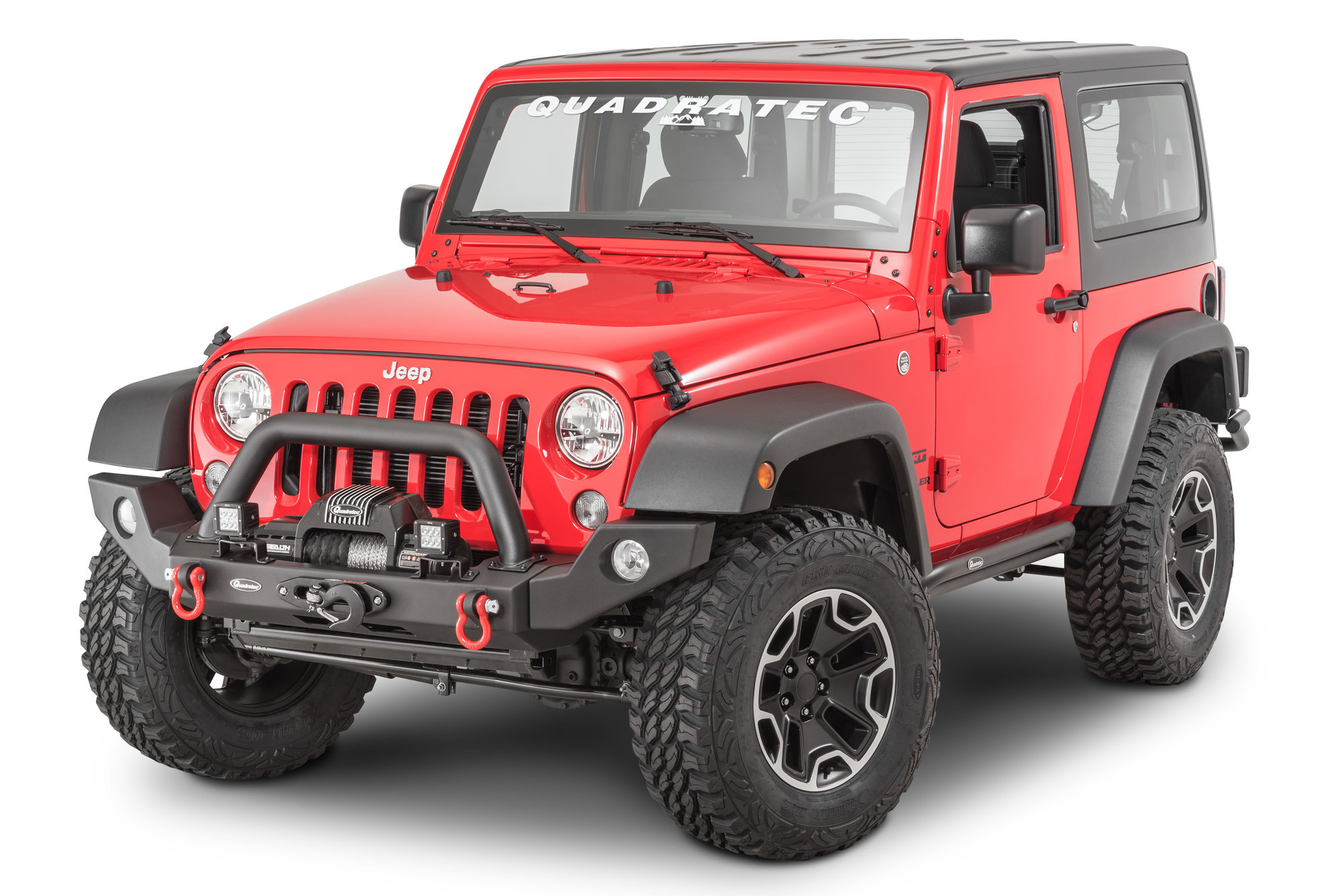
JK Wrangler (2007–2018)
The Modern Workhorse
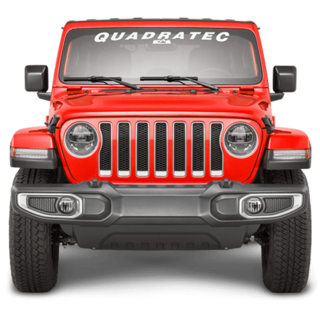
The JK transformed Wrangler from a niche off-roader into a full-blown mainstream icon.
Four doors arrived. Interior comfort improved. Aftermarket support exploded. And suddenly Wranglers were everywhere, from suburban parking lots to Moab slickrock.
The JK also introduced far more electronic complexity than previous generations. Which means ownership became slightly less ‘tractor-simple’ and slightly more ‘why is my dashboard glowing?’
Check the Oil Filter Housing on 2012+ Models
The 3.6-liter Pentastar V6 introduced in 2012 is generally a strong engine. But the factory plastic oil filter housing mounted inside the engine valley has a bad habit of cracking.
Symptoms include:
- Burning oil smell
- Slow oil loss
- Oil pooling beneath the intake manifold
- Oil visible inside the engine valley
Many owners replace the factory unit with upgraded aluminum housings to eliminate the issue permanently.
Inspect the Ball Joints and Steering Components
The JK became the first truly ‘heavy’ Wrangler generation.
Especially once owners added:
- 35-inch tires
- Steel bumpers
- Winches
- Lift kits
- Roof racks
- Half the Quadratec catalog
Over the years, people also discovered the vehicle’s factory ball joints often wear surprisingly quickly. This can cause wobble at speed when you hit a bump.
Jack up the front axle and check for:
- Vertical wheel play
- Steering looseness
- Uneven tire wear
- Wandering at highway speeds
If your Wrangler develops this kind of vibration, worn steering and suspension parts are usually involved somewhere in the equation.
Listen for Exhaust Manifold Ticking
Cold-start ticking on JKs is incredibly common. The rear exhaust manifold bolts on both the 3.8L and 3.6L engines are notorious for snapping.
The sound usually:
- Appears during cold startup
- Sounds like ‘tick-tick-tick’
- Quiets down as the engine warms
It’s one of those Wrangler sounds owners eventually learn to identify from three parking spaces away.
Watch for Electrical Gremlins and Clockspring Problems
JK electrical issues often trace back to either the Totally Integrated Power Module (TIPM) or a failing clockspring inside the steering column.
Symptoms can include:
- Airbag lights
- Steering wheel controls not working
- Fuel pump issues
- Random warning lights
- Wipers behaving like they’ve become self-aware
Water intrusion inside the cabin can accelerate many of these issues. That means doors or tops off during a rain shower can become more expensive than anticipated.
Check Front Axle C-Gussets on Modified JKs
If your JK runs 35-inch tires or larger, inspect the front axle C-gussets. Heavy tires combined with hard off-road use can bend the axle Cs where the ball joints sit.
Watch for:
- Uneven camber
- Strange tire wear
- Steering changes
- Axle reinforcement plates already installed
A reinforced front axle is never a bad thing on a heavily modified JK.
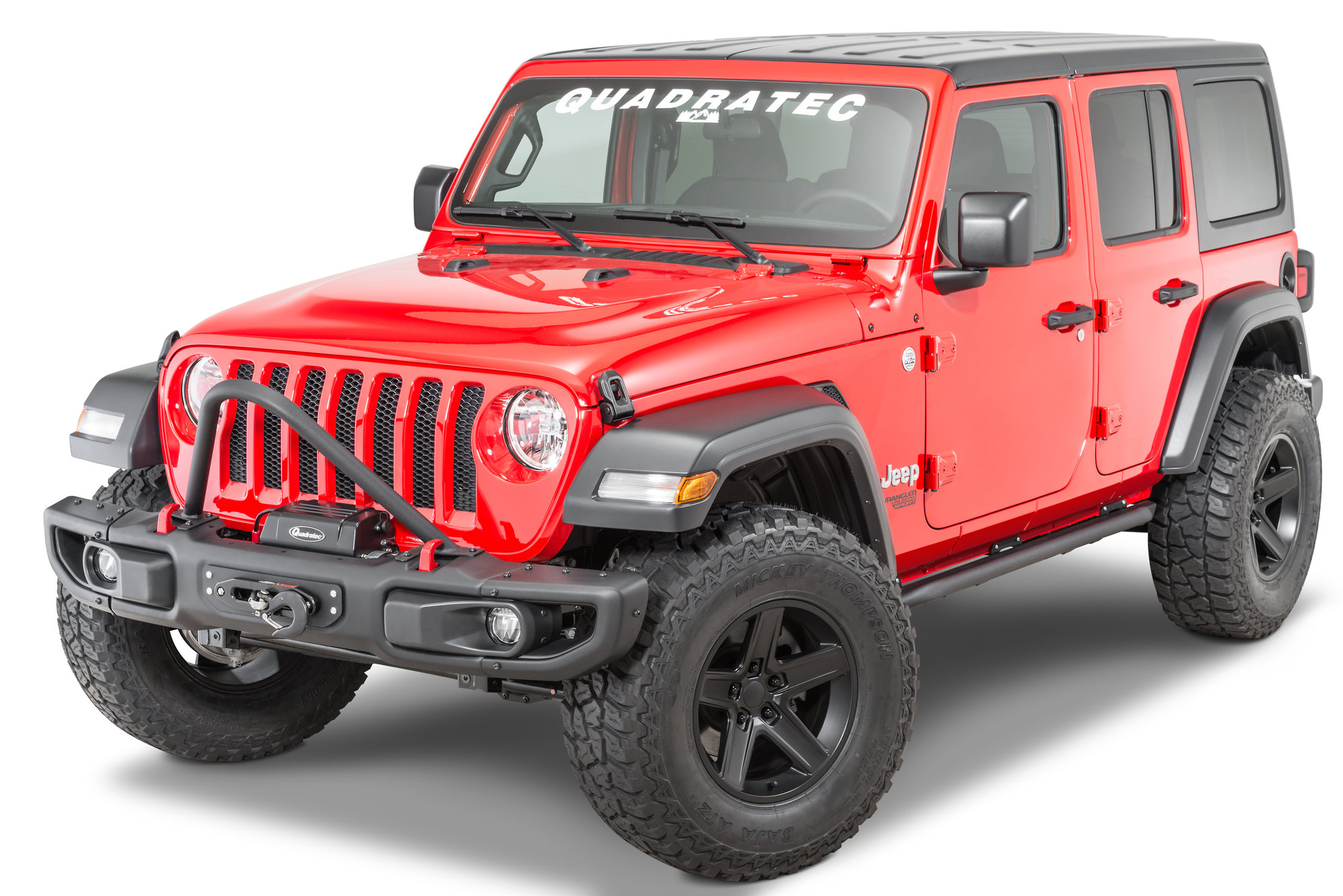
JL Wrangler (2018–2026)
The High-Tech Trailblazer
The High-Tech Trailblazer
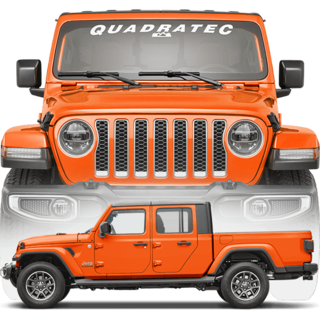
The Wrangler JL’s arrival refined nearly every part of Wrangler ownership. Ride quality improved. Interior quality jumped significantly. Technology exploded.
And somehow Jeep managed to combine removable doors with adaptive cruise control and over-the-air software updates.
The JL is easily the most livable Wrangler ever built. It’s also basically a rolling computer with solid axles.
Watch the Auxiliary Battery
The JL uses a secondary auxiliary battery tied into the Engine Stop/Start system. When that small battery begins failing, the Jeep can suddenly behave like it’s being haunted.
Symptoms include:
- ESS warnings
- Random electrical glitches
- No-start conditions
- Multiple dashboard warning lights
- Battery drain issues
Many owners eventually replace or bypass the auxiliary battery system entirely.
Check Steering Box and Recall History
Early JL models became known for vague steering and wandering highway behavior. Jeep eventually updated steering components and transitioned from aluminum steering boxes to cast-iron units.
So, when inspecting a used JL:
- Verify recalls were completed
- Check steering feel at highway speed
- Confirm alignment is stable
- Inspect for excessive steering play
A properly sorted JL should drive dramatically better than older Wrangler generations.
Push Down Every Fuse in the Fuse Box
Seriously. One of the weirdest JL ownership quirks involves improperly seated factory-installed fuses.
Open the fuse box and push down on every fuse. There’s a surprisingly good chance you’ll hear several click into place. Which is both oddly satisfying and slightly concerning.
Inspect the Tailgate and Hinges
The JL aluminum tailgate itself is relatively lightweight. But if the previous owner mounted oversized tires without reinforcement brackets, the hinges may begin to sag over time.
Watch for:
- Tailgate creaking
- Misalignment
- Difficulty closing
- Hinge movement
- Cracks near mounting areas
Heavy spare tires and unsupported hinges rarely stay friends forever.
Watch for Uconnect Screen Delamination
JL owners occasionally experience touchscreen delamination issues on the larger Uconnect displays.
Symptoms include:
- Bubbling beneath the screen
- Ghost touches
- Random menu changes
- Navigation glitches
- Radio stations changing on their own
Nothing says ‘modern Jeep ownership’ quite like your dashboard attempting independent decision-making.
Also, if you own a Wrangler 4xe, pay close attention to any software updates, charging behavior, and recall status.
The 4xe, despite some recall issues, is a wildly capable vehicle with on-demand torque and superior off-road ability.
It’s also a very different ownership experience than older Wranglers built primarily from steel, vacuum lines, and mechanical stubbornness.
Every Wrangler generation comes with its own personality.
YJs are charming mechanical dinosaurs that somehow refuse to die. TJs remain beloved for their simplicity, coil suspension, and legendary 4.0L drivetrains. JKs brought Wrangler into the mainstream while introducing modern complexity and aftermarket insanity. And JLs somehow combine trail capability with heated steering wheels, smartphone apps, and software updates.
None is perfect, but that’s also part of the appeal.
For many, owning a Wrangler has never been about perfection. It’s more about character, capability, and community. And the strange ability to make even an ordinary drive to the grocery store feel slightly more adventurous than it probably should.
Besides, now that you own one, you’ll learn the most important Wrangler truth of all:
Every Jeep eventually becomes a project. The trick is making sure it stays a fun one.
Related Jeep Guides, Tips & Trail Advice:
Five Reasons A Jeep Bumper Should Be Your Next Upgrade
Jeep Death Wobble Q&A: Causes, Symptoms, Fixes and How to Prevent It