




by Quadratec
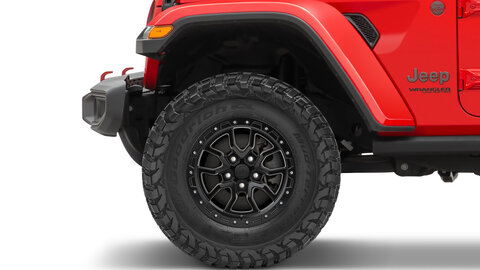
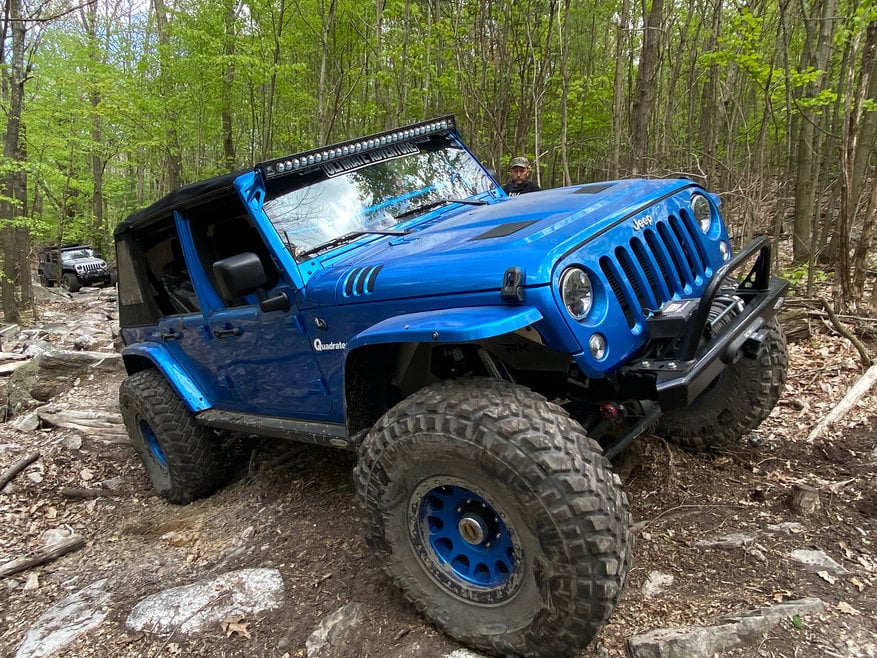
One of the first modifications many Jeep owners make is upgrading to larger tires. Whether you're moving up to 33s, 35s, or even 37-inch tires, the added ground clearance and improved off-road capability can dramatically change both the look and performance of your vehicle.
In many cases, larger tires also require a suspension lift to create enough clearance for proper fitment. Together, these upgrades help improve trail performance while giving your Jeep a more aggressive stance.
However, larger tires do more than change appearance.
As tire size increases, so does the amount of force required to get those tires moving and keep them turning. The larger and heavier the tire, the more strain it places on the drivetrain. As a result, acceleration can suffer, hill climbs may require more throttle input, and the vehicle can feel less responsive overall.
At a certain point, your factory axle gears may no longer be the best match for your new tire size.
While adding horsepower or torque can help offset some of the performance loss, it won't change your Jeep's shift points or restore the mechanical advantage lost with larger tires. In some situations, relying solely on engine modifications can place additional stress on the transmission, which then works harder to compensate.
So, how do you determine the right gear ratio?
To help answer that question, we've developed the chart below to help identify the optimum gear ratio based on your current setup and your desired tire size.
Start by determining your Jeep's current axle gear ratio and tire size. Then locate the corresponding RPM at 65 mph. If you're unsure what gears are installed in your Jeep, check out our guide on determining axle gear ratios. Likewise, if you're not sure how tire sizes are measured, our tire size guide can help.
Next, find your new tire size and match it to the closest RPM at 65 mph. The resulting value will provide a minimum recommended gear ratio for maintaining performance and drivability.
If you're looking for a setup that favors additional power, towing capability, or improved fuel economy, use the color-coded sections of the chart as a guide.
Not sure what tire size is right for your Jeep? We can help you choose the best tire-and-gear combination for your driving style and off-road goals.
|
Highway Driving, Good Fuel Economy |
|
| Daily Driver, Best Overall Performance | |
| Most Power and Towing, Reduced Fuel Economy |
This chart is based on 65 MPH and a gear ratio of 1:1, on a manual transmission in 4th gear. Please NOTE: If you have an automatic transmission your RPM will higher due to slippage in the transmission and the torque converter. With an overdrive transmission your RPM in overdrive will be 15% to 30% less than indicated.
.jpg)