










by Matthew Konkle
Managing Editor
Spend a few minutes, gain a lot in resale value.
And while that may be true about a lot of things on your Jeep, it is certainly important advice to follow regarding the vehicle’s wheels.
That’s because those wheels take more abuse than almost any other part in or out of the Jeep. Think about it. From daily road grime to trail mud, salt and brake dust, wheels endure constant punishment wherever you go. Without proper care, even the most rugged alloy or steel Jeep wheels can corrode, fade, or pit. Especially after a long and grimy off-road season.
Sure, you probably wash them off after a particularly dirty drive, but really caring for those Jeep wheels isn’t just about keeping them clean, it’s about preserving performance, safety and pride of ownership. With consistent detailing and protection, your wheels can look great and perform strongly through every muddy trail, rocky climb and salty winter road.
Regular cleaning and protection also prevents long-term damage to finishes, lugs and bead seating surfaces, thus adding to that resale value when it comes time to move on to another Jeep.
So, before you take a rag or brush to those wheels, here are some things you should know:
Know What Type of Wheels You Own
Working on Jeep wheels is no different than cleaning just about anything else on the vehicle, because it’s crucial to understand what can affect product materials.
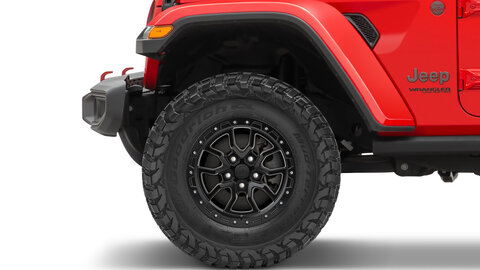
Alloy Wheels are probably the most common type of wheels on a Jeep. They are lightweight, corrosion-resistant, and stylish, making them perfect for daily driving and moderate trail use. These wheels often have painted, machined, or powder-coated finishes that require gentle cleaners.
Steel Wheels are usually found on more heavy-duty, off-road-bound Jeeps. While tougher against impacts, they’re more prone to rust and need regular protection, especially if they are constantly exposed to salt or mud.
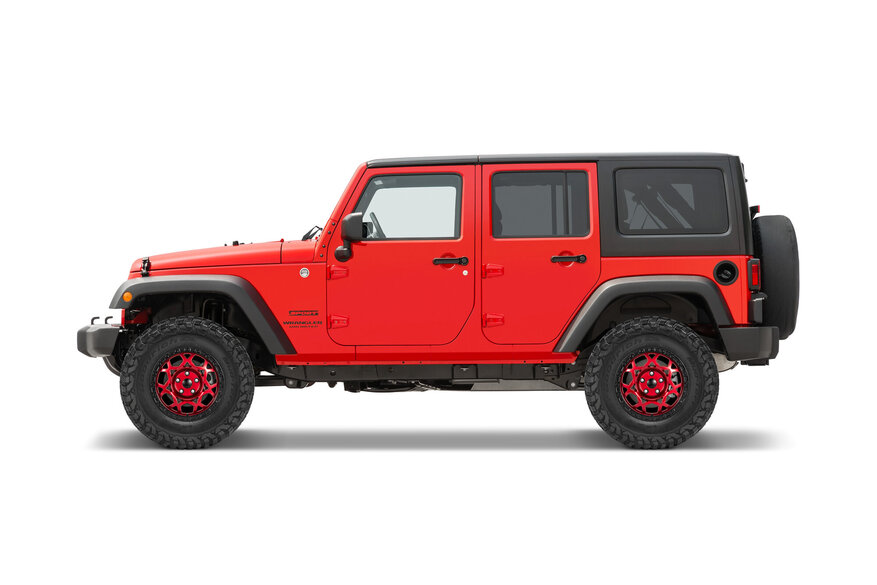
A third style is Beadlock or Bead Grip Wheels. These are designed for superior off-road traction and offer the ability for extremely low tire pressures. They do require extra attention around the beadlock ring area, where dirt and debris can collect and damage the wheel over time.
Knowing your wheel material ensures you use the right cleaner and technique, because no one wants to accidentally dull a powder coat or remove clearcoat from a polished rim.
Wash Like a Pro
Cleaning your Jeep’s wheels may seem pretty straightforward: soap, rinse, and repeat, right? But there are some important things to know to keep those rims showroom-new.
First, clean your wheels before washing your Jeep’s body to prevent brake dust from splattering onto clean paint. Next, never wash wheels when they are at higher temperatures, as rapid degree changes can crack coatings or spot finishes. Also, use a pH-neutral wheel cleaner because harsh chemicals can strip coatings and corrode finishes. Stick with automotive-grade wheel soap or an all-purpose cleaner like Meguiar’s Wheel Brightener.
Then, make sure you have a dedicated wheel brush and not some random cloth you found in the garage. A high-quality wheel brush will prevent wheel scratches while cleaning. Focus on details like cleaning behind spokes, around valve stems, and between lug nuts to remove excess grime.
Finally, rinse those Jeep wheels thoroughly to ensure there is no leftover residue. Dirt trapped around bead seats or lug holes can eventually lead to rust. Or worse.
Protect Against Corrosion
After cleaning, apply a wheel protectant or ceramic coating to seal the surface. These formulas create a slick barrier that repels mud, brake dust and road grime, making future washing easier.
For steel Jeep wheels, an occasional spray of rust inhibitor or wax sealant prevents oxidation. If you notice small rust spots, remove them promptly with a wire brush and touch-up paint to prevent that rust from spreading.
Seasonal Maintenance for Jeep Owners
Besides having a normal cleaning schedule for those Jeep wheels, there are also things you can do seasonally. After driving in winter months, rinse off road salt and brine as these can corrode finishes. Following off-road trips, use a pressure washer to remove clay, sand and debris from around bead seats and lug holes. And before longer drives, check wheel torque, tire pressure, and inspect for chips, cracks, or bent rims. Take a few minutes and save a lot more.
Pay Attention to Lug Nuts and Hardware
One of the most overlooked parts of wheel care isn’t the wheel itself; it’s the hardware holding everything together.
Lug nuts are constantly exposed to moisture, salt and brake dust, which can lead to corrosion or swelling over time, especially on capped factory lug nuts. When cleaning your wheels, take a moment to wipe down the lug nuts and apply a light coating of protectant or corrosion inhibitor. This helps prevent rust, makes future tire rotations easier and reduces the risk of rounded or seized lugs when you actually need to remove a wheel.
If you frequently drive off-road or in winter conditions, upgrading to solid one-piece lug nuts can be a worthwhile investment for long-term durability.
Don’t Forget the Inner Barrel
Most Jeep owners focus on the face of the wheel, but the inner section (the part you can’t easily see) often takes the worst abuse. Brake dust, mud, and road salt build up here and can cause corrosion or imbalance over time.
Using a long, soft-bristle wheel barrel brush allows you to reach inside this section and properly clean up any debris. Keeping the inner barrel dirt-free not only protects the finish but can also help reduce vibration caused by uneven buildup, especially at highway speeds.
Watch Tire Mounting and Balance Practices
You may think a bent or damaged wheel can only happen to off-roaders. But in reality, wheel damage can happen anywhere. Improper tire mounting or balancing can scratch, chip, or bend wheels before you ever leave the shop or driveway.
When mounting new tires, make sure the shop (or you) uses protective covers on the mounting machine and clamps. For aftermarket wheels, always request stick-on wheel weights on the inner barrel rather than clip-on weights, which can damage finishes and lead to corrosion. Most reputable shops will already do this, but it simply makes sense to check before any work starts.
A good balance job also reduces stress on wheel bearings, ball joints, and suspension components, which can prevent things like death wobble or other suspension/driveline problems in the future.
Address Trail Rash Early
Scrapes and gouges from rocks and trail obstacles are almost inevitable for off-road Jeeps. Some of us have even used (accidentally, of course) the wheel’s lugs to get over a stubborn obstacle. But while owners can sometimes embrace trail rash as a badge of honor, exposed metal can quickly turn into rust if left untreated.
If you notice chips or scrapes, clean the area thoroughly and apply touch-up paint or a clear sealant as soon as possible. For steel wheels, this step is especially important to prevent rust from spreading beneath the finish.
Quick repairs help preserve both appearance and structural integrity.
Rotate and Inspect Wheels Regularly
Every tire rotation is an opportunity to inspect your wheels more closely. Look for cracks, bends, or uneven wear that could signal alignment issues or impact damage.
Pay specific attention to bead areas, especially if you run lower tire pressures off-road. Dirt and grit trapped between the tire and wheel can compromise sealing surfaces over time. Cleaning these areas during rotations helps prevent slow leaks and air loss.
When in Doubt, Go Gentle
One of the biggest mistakes we’ve heard about from detailers is over-aggressive cleaning. Harsh chemicals, stiff brushes, and pressure washers used too closely can do permanent damage to wheel finishes.
If you’re unsure about a product or technique, always test it in an inconspicuous area first. Gentle, consistent maintenance will always outperform aggressive, infrequent cleaning in the long run.