









by Matthew Konkle
Managing Editor
The backdrop is desert and dust.
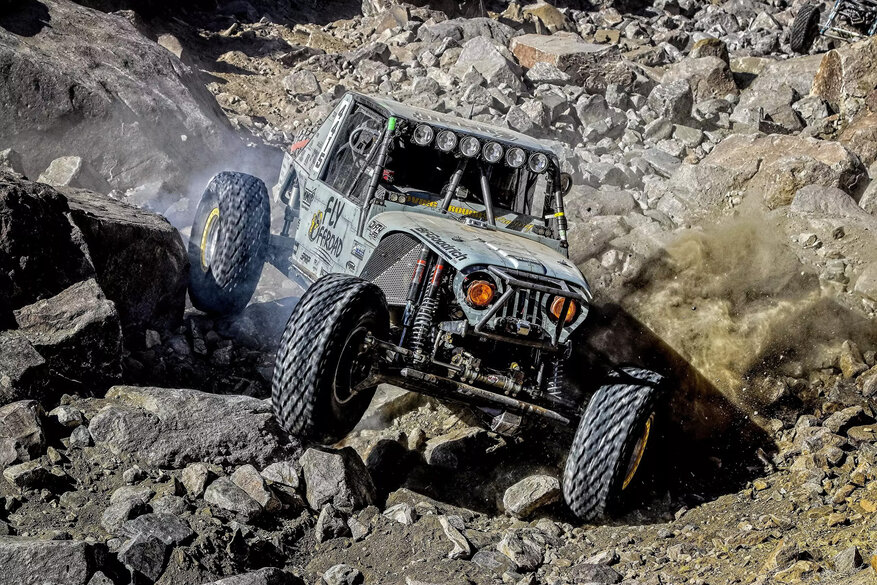
And the constant roar of high-powered engines screaming to get somewhere fast, while traversing obstacles that make your local trail seem like the asphalt of a suburban cul-de-sac.
And people. Plenty of people. Enough to turn a lonely desert into a thriving 80,000-plus person mini-metropolis.
They all collide each year in late January, deep in the Mojave Desert’s Johnson Valley, California, for the annual King of the Hammers competition. What started as a spontaneous challenge between a handful of friends in 2007 has evolved into one of the most demanding off-road race events in the world, drawing competitors and spectators from across the globe.
For Jeep enthusiasts, from hardcore racers to weekend trail riders, this year’s 20th anniversary of King of the Hammers represents more than a race: it’s the ultimate proving ground where desert racing, technical rock crawling, and brutal terrain mix together over a grueling 200-mile course that pushes man and machine to the limit.
A Brief History: From Bar Napkin to Off-Road Mecca
The origins of King of the Hammers are as rugged and unrefined as the race itself. In 2007, organizers Jeff Knoll and Dave Cole sketched out the idea on a bar napkin. Essentially, it became a challenge between friends that would test both top-end speed and rock-busting capability. After a small inaugural run, the event exploded in popularity. Today, the Johnson Valley desert becomes a temporary town dubbed ‘Hammertown’ that draws close to 100,000 spectators and competitors, complete with camping, vendors and daily race action.
Beyond the main event, participants and fans enjoy everything from desert racing heats to technical crawler battles and community gatherings that celebrate the broader Ultra4 Racing culture.
This year’s King of the Hammers officially opened its ‘doors’ on January 22, and will run through February 7.
What Makes King of the Hammers Different
Unlike traditional motorsports focused on tarmac or oval tracks, King of the Hammers blends two opposing disciplines into one brutal test: high speed desert racing across sections of dry lake beds and wide-open terrain where vehicles exceed 100 miles-per-hour, as well as technical rock crawling involving slow-speed, precision movements on uneven surfaces where massive obstacles demand strength, traction and driver finesse.
This extreme combination is what gives King of the Hammers its reputation as the ‘toughest one-day off-road race in the world,’ even though competition now stretches into multiple days and events each year.
Understanding the Race Classes
One of the most fascinating aspects of King of the Hammers is its diverse vehicle classes, each built and raced to different specifications:
4400: ULTRA4 Unlimited Class
- The original and most iconic class, often called the Race of Kings.
- Vehicles are heavily modified with few restrictions other than safety requirements.
- Racers usually qualify based on past results or Ultra4 spots earned during regional competitions.
4500: Modified Class
- Allows significant suspension and performance upgrades, but vehicles typically retain closer ties to production chassis designs.
- Popular for those transitioning from stock builds into full-on Ultra4 competition.
4600: Stock Class
- Designed for vehicles closer to factory configuration with limited modifications.
- Offers a more accessible platform for first-time competitors or those seeking balanced performance.
4800: Legends Class
- A growing category with rules designed for older or classic Ultra4 cars.
- A favorite among grassroots racers keeping vintage rigs competitive.
Beyond these, King of the Hammers features additional divisions, including UTV classes and specialized trophy truck or invitational categories, making it a comprehensive showcase of off-road capability and innovation.
Jeep’s Place in the Hammers and Off-Road Culture
While not every Jeep on the starting grid is factory-built, many teams choose Wrangler or Gladiator platforms as bases because of their durable solid axles, strong aftermarket support, and heritage in off-road performance. For Jeep owners and builders, KOH represents a pinnacle of achievement, whether you’re watching from the spectator line or competing in the thick of the action.
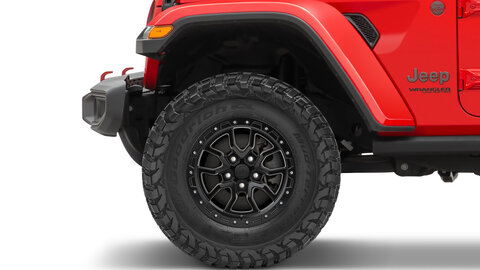
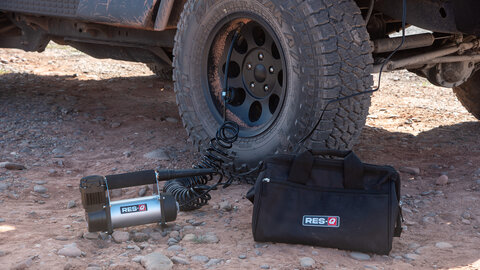
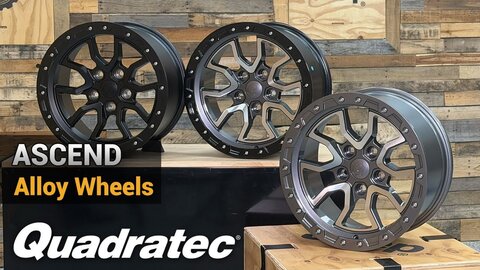
The event has also helped fuel the popularity of advanced Jeep upgrades: from beefy suspension systems and beadlock wheels capable of handling both desert and rock, to reinforced drivetrains and recovery gear engineered for extreme punishment.
What It Takes to Compete and Finish
Finishing King of the Hammers is never a guarantee, no matter how much you spend on your race vehicle. With typical KOH courses extending beyond 200 miles of punishing terrain and a strict limit on how close drivers must stay to the course’s centerline, even seasoned competitors accept broken parts, unexpected mechanical drama, and rough stretches that weed out many hopefuls before the finish.
In fact, less than 20% of the starting field often crosses the end line, a statistic that cements King of the Hammers’ reputation among racers and fans alike. Preparation, vehicle strength, crew support and on-the-fly repairs are all part of the challenge.
Why Fans Keep Coming Back
For enthusiasts, King of the Hammers offers more than just a race. It’s a vibrant gathering of the off-road community. Hammertown annually fills with rigs, campers, vendors, and fan zones featuring live viewing, product demos and evening festivities.
There’s also a deep camaraderie among competitors. Ultra4 racers respect anyone who can tackle the course, regardless of finish position, because even just making it through the day is a serious accomplishment.
The Last Word
King of the Hammers stands apart as a symbolic merger of Jeep culture, engineering innovation, and competitive spirit. Whether you’re a longtime racer, a Jeep builder dreaming of conquering the rock gardens, or a fan soaking up the spectacle each winter, understanding KOH’s origins, classes, and brutal blend of terrain gives you a full appreciation of why it’s truly the crown jewel of off-road motorsports.
Related Jeep Guides, Tips & Trail Advice:
Trail Etiquette Q&A: The Essential Rules of Off-Roading
How to Prepare Your Jeep for Winter Recovery: 2026 Gear & Safety Guide