











by Matthew Konkle
Managing Editor
With winter weather now prevalent across most of the country, deteriorating conditions can quickly turn ordinary drives into unexpected adventures or roadside rescue missions.
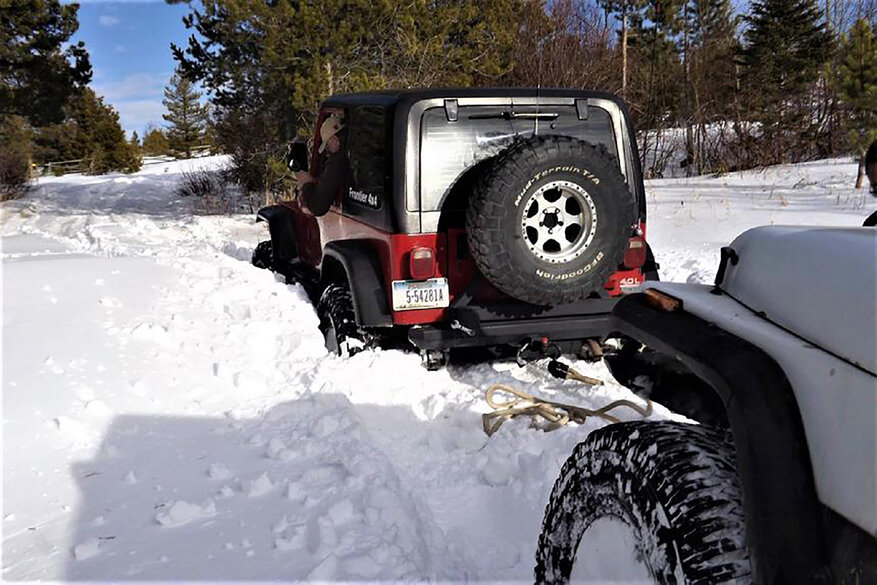
For those enthusiasts who venture off-pavement, tackle seasonal trails, or simply navigate snowy roads this time of year, preparing your Jeep for winter weather conditions isn’t just smart, it’s essential. Whether you’re helping a friend stuck in a snowbank or avoiding one yourself, the right gear, skills and winter maintenance can often make all the difference between getting where you are going and costly repair bills.
Jeep wheels spin, tires slide, and off-road conditions change rapidly when temperatures drop, which means poor preparation won’t just test your patience; it can compromise your safety. So, we’ve put together this handy winter accessory guide offering top tips to equip your Jeep for the season, including recovery equipment, traction strategies, lighting upgrades and cold-weather maintenance essentials.
Equip with Essential Winter Recovery Gear
Before the next snowfall, or anytime during the winter months, take inventory and make sure your Jeep’s recovery toolbox is stocked and ready. Winter recovery gear should be high-quality, easy to access and designed for cold weather performance.
These items include recovery straps and tow ropes rated for double your Jeep’s weight and equipped with protective sleeves to reduce fraying in freezing conditions; d-rings / shackles that are properly mounted to steel bumpers to serve as anchor recovery points; a Hi-Lift or heavy-duty jack that can lift your Jeep out of deep snow or soft embankments when a standard jack won’t suffice; gloves and protective gear sufficiently waterproofed and insulated for better grip and hand protection in icy rescue scenarios; recovery boards for self-recovery when you’re stuck in snow, slush, or ice.
Most of this stuff you can find in high-quality recovery bags such as our Res-Q series kits.
Prioritize Winter Tire Strategy
A Jeep is only as effective as the grip it has on the surface below. For winter recovery purposes, tires are arguably the most important safety upgrade.
Most Jeeps these days come with street tires, with the exception of Willys models and some factory tire package upgrades. This is why many owners make tire replacement one of their first ‘mods’.
A dedicated set of winter tires would be the best option as the softer rubber compound and siped tread blocks provide superior traction as snow can ‘build up’ in the tread blocks and help the tires grip snow better than open treads.
However, for many people, a second set of tires isn’t in the financial mix. Thus, all-terrain tires are generally the top choice regardless of season, as they offer excellent grip on- and off-road and provide above-average winter performance. Additionally, many all-terrain tires do offer a Three-Peak Mountain Snowflake (3PMSF) rating, meaning they have been snow tested for straight-line acceleration, braking and cornering. These will have a snowflake logo somewhere on the sidewall indicating that rating.
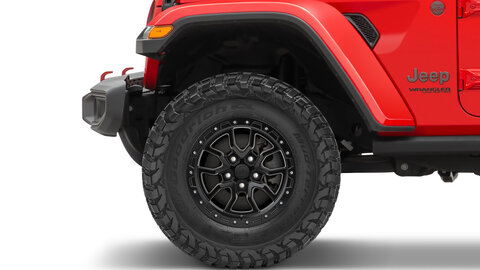
Mud-terrain versions are excellent off-road tires as their stiffer rubber compound helps prevent tire damage from non-pavement terrain. However, their larger tread blocks are designed to evacuate moisture and debris, which is not so ideal in snowy conditions.
Additionally, regardless of the tire style you choose, maintaining a consistent tire pressure check schedule is essential. Cold air can cause tire pressure to fluctuate by 1-3 pounds per square inch (psi) per week, affecting ride quality and gas mileage.
Upgrade Lighting for Low-Visibility Conditions
Winter days are notoriously overcast, short and dreary. And all those things make driving visibility much more important than other seasons.
So, high-quality lighting options on your vehicle not only make for a safer driving experience this time of year, but can also help out during any recovery situations.
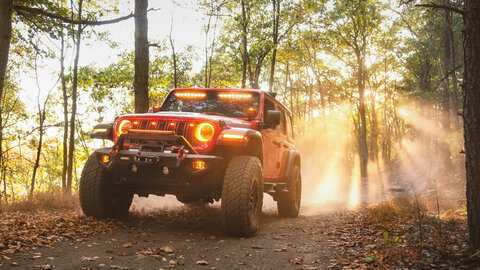
LED headlights are much more efficient than factory halogen lighting. LEDs are brighter and also draw less power from the battery. Many versions even offer heated options which will keep the lenses free from ice and other moisture.
Auxiliary light bars and cube lights can be mounted to bumpers or roof racks, and deliver widespread or long-range lighting for night recoveries or deep woods navigation. Plus, they pair very well with LED headlights and are perfect for low-visibility winter driving.
Finally, enhanced taillights and third brake lighting can be especially helpful during winter months to improve visibility for trailing vehicles, helping reduce rear collisions in snowy traffic.
Maintain Your Jeep’s Mechanical Health
Cold weather, more than any other time of the year, can expose underlying mechanical weaknesses in your vehicle. And while some things can only be diagnosed by a mechanic, there are plenty of checks you can do right in the driveway.
One of the best things you can do during the winter months is a battery test. Batteries lose capacity in low temperatures, so using a battery tester (especially on batteries three or more years old) will give you plenty of notice before a problem happens.
Also, keeping your cooling system and antifreeze fluid levels topped off is critical during the winter months to avoid freeze damage. Your vehicle’s belts and hoses need inspection as well because colder temperatures harden rubber and will exacerbate problems with worn or frayed parts.
These colder months mean plenty of snow and ice across the country, which absolutely affects your Jeep’s stopping distance. So, ensuring your braking system is in top condition is a must for the winter season—especially for those who have larger tires that require more stopping power. Look at those pads and rotors and make sure each is in decent shape. If you hear any metallic or grinding noise when you apply the brakes, you should definitely have them inspected.
Practice Winter Driving & Recovery Skills
Sometimes, no matter what you have on the vehicle, problems still arise during colder months. Gear helps, but skills matter most. Even experienced drivers can be humbled by winter roads.
Take some time and brush up on recovery techniques. Understanding how to rig a proper anchor point, using a winch safely, and knowing when and where to apply traction boards can save time and accidents.
If you have some free time, take an off-road 101 or winter driving course. Local off-road clubs, 4×4 schools and many Jeep events often offer these hands-on winter courses, which are valuable for both problem prevention and safe recovery execution.
Plan driving routes and share itineraries. Sometimes smartphone reception can be spotty or, well, you just forgot to charge the battery and don’t have a charging cable. Let someone know your route before heading out. Preparation isn’t just about equipment—it’s about thoughtful planning, practiced technique and common sense.
Protect Wheels, Underbody and Corrosion-Prone Areas
Winter trails and salted roads are rough on metal. That probably isn’t a surprise. But with busy schedules during these months, sometimes getting all that stuff removed from the vehicle takes a back seat to other things.
But a few moments now will save a lot of hassle in the future.
Take some time and give those wheels a proper cleaning. Remove any snow, salt, and grime with a good wheel cleaner and a soft towel to protect against pitting and corrosion.
Make sure to apply corrosion-resistant coatings around bead seats and lug nuts, and not just the wheel itself.
Pull your Jeep into a self-wash facility and use that pressure washer to rinse brakes, suspension components and frame rails to prevent premature rust.
Rust does spread quietly, so catching early signs of corrosion protects resale value and long-term safety.
Gear Storage and Accessibility
When needed, ease of access for your recovery gear matters.
Most people keep these products in the cargo area, and that’s fine, but don’t just throw everything in a lump back there. Organize your kit so you know exactly where everything is, and even that you have everything you need. Use heavy-duty cargo bags or MOLLE panels, so your winch line, straps, gloves, shackles, and everything else is easy to find. Recovery situations are stressful enough; finding the proper gear should't add to that stress level.
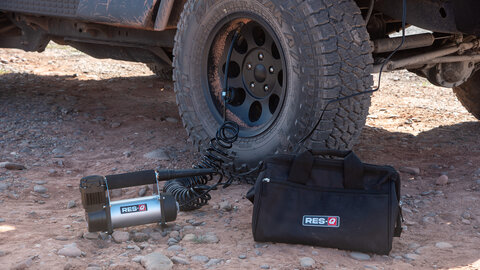
If you carry portable power and/or air tools, make sure batteries are charged each week or that the air system is functional. It’s never a good thing to find out tools are dead when you need them most.
Besides recovery equipment this time of year, you should also carry along some emergency essentials. Things like blankets, food, water, a change of clothes (including socks and footwear) and first-aid supplies. You never know how long recovery may take, so being organized lets you handle more before asking for help.
Winter Shouldn’t Be a Limitation
Preparing your Jeep for winter recovery issues is all about owning the season. With thoughtful upgrades, tactical gear prep, and practiced skills, you’ll not only take on snow and ice with confidence, you’ll be the one others are glad to see when problems arise.
Explore More Jeep Content:
How To Enjoy Jeep Winter Driving
Jeep Off-Road Plus Mode Explained: How Off-Road+ Works & When To Use It