










by Matthew Konkle
Managing Editor
You see it all the time in Jeep commercials, magazine advertisements, articles, posters — really, pretty much everywhere a Jeep is depicted.
That innate ability to overcome whatever the road ahead throws at the vehicle and climb something until there is nothing left in the way.
And, sure, that all looks pretty cool. But in reality, even the toughest Jeeps sometimes can get stuck in challenging terrains like deep mud, snow, loose sand, or rocky trails.
This is where a Jeep recovery kit shines.
Whether you’re a seasoned overlander, weekend adventurer, or just someone who wants to be as safe as possible, a Jeep Recovery Kit provides all the essential items you need to pull yourself (or someone else) out of trouble.
Here is what you need to know about these kits:
What is a Jeep Recovery Kit?
A Jeep recovery kit is a carefully curated collection of tools and equipment designed to help drivers recover their vehicles when they get stuck or encounter obstacles during off-road adventures or everyday driving.
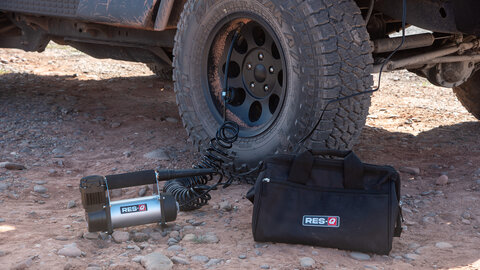
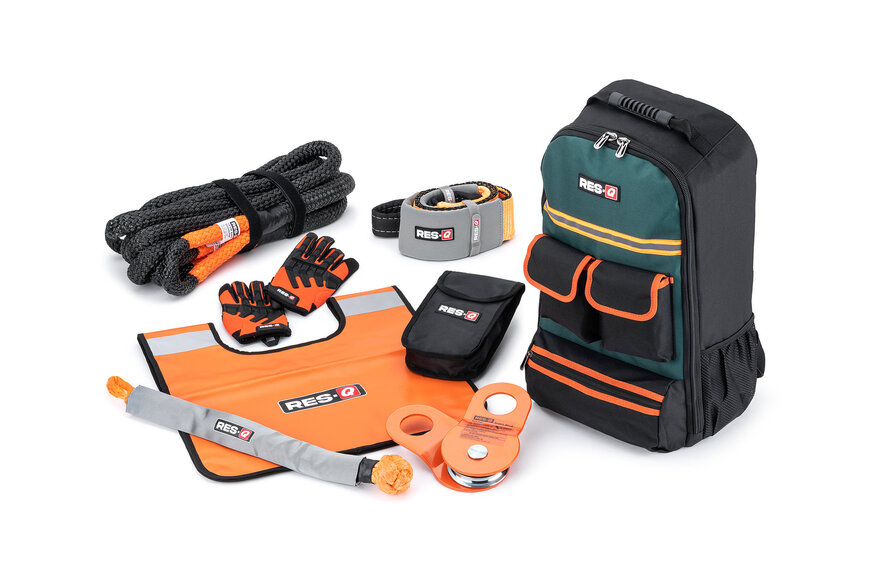
Recovery kits, like the Res-Q series, give you the ability to safely pull your Jeep out of difficult situations, whether you're stuck in mud, stranded in a snowbank, or facing obstacles on a rocky trail.
Having a recovery kit on hand means you’ll have the right stuff to free your Jeep or assist others—usually without having to rely on external help. Basically, these kits are the perfect driving insurance policy.
What Does a Jeep Recovery Kit Include?
Not all kits are built the same, so it is important to look over the product listing to ensure it has all the things you need. But things like recovery straps, D-Rings or soft shackles, gloves, snatch block, tree protector and winch line dampener are some of the essential tools you should expect in a well-stocked Jeep recovery kit.
Recovery Straps are thick, heavy-duty straps that stretch out 20-plus feet and are usually rated for at least 20,000 pounds. These straps are designed to pull vehicles out of tough spots, and normally include looped ends that slip through D-rings, soft shackles or attach to other recovery points on the vehicle.
D-Rings are metallic U-shaped connectors engineered to secure your straps to anchor points, such as your Jeep’s recovery hooks. Soft shackles are an increasingly popular alternative, offering lighter weight and safety benefits.
Winch Gloves are thicker and grippier than traditional gloves and help protect your hands from rope burns, splinters, rock chips and other hazards when handling winches or cables.
A snatch block is a pully-like system that allows you to double your winch pulling power and change the direction of the recovery pull if conditions dictate a change is needed.
Tree-truck protectors are heavy-duty straps that wrap around trees when using them as anchor points, thus preventing tree damage and ensuring secure towing.
Finally, a winch line dampener is an important safety device that you can throw over part of the steel or synthetic winch like, almost like a small blanket. This helps absorb force should the line break, usually causing the line to fall straight down and increasing the safety factory for everyone around the recovery area.
Why is a Recovery Kit Important?
Perhaps the top reason is with a recovery kit, you can get yourself out of tricky situations without relying on roadside assistance or the goodwill of passing vehicles. Additionally, if you are in a trail group, the vehicle ahead or behind you may not have a kit, so having your own saves time during recovery situations.
Additionally, being well prepared simply increases safety. With the right recovery tools, you can safely pull your Jeep (or someone elses) out of precarious spots without causing injury to yourself, your vehicle, or others.
There is also a money factory to having a recovery kit. Getting stuck in remote areas without the right tools can be costly—whether it’s through expensive towing services or damage from improper recovery attempts.
Sure, owning a Jeep is all about embracing adventure, but with adventure comes uncertainty. A Jeep recovery kit equips you with the tools and confidence to tackle those uncertainties head-on. So whether you're planning a remote weekend off-road trip, a longer overlanding excursion, or just want to be prepared for an emergency, a recovery kit is a smart investment every Jeep owner should make.
Recommended For You:
What Are The Differences In Off-Roading A Wrangler TJ, JK and JL