



by Quadratec
The foot bone’s connected to the leg bone; the leg bone’s connected to the knee bone; the knee bone’s connected to the thigh bone. It is the skeleton dance, and it's a fun sing-along because everything is connected and works well together.
With Jeep parts, not so much.
With Jeep parts, fitment issues can stem from different Wrangler generations, lifting the vehicle over stock height, and even trim level diversity. And getting it wrong when ordering isn’t just frustrating, it can lead to returns, installation headaches, or parts that simply don’t perform the way they should.
The good news? Most fitment questions come down to a few key factors. Once you understand them, choosing the right parts becomes much easier.
Will This Part Fit My Jeep?
Every fitment question starts with one thing: your exact model and year.
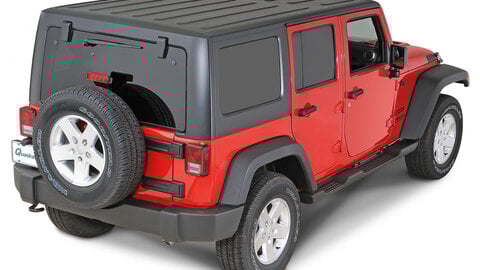
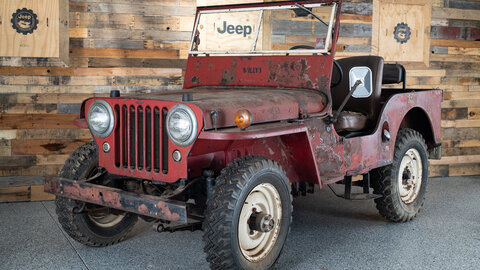
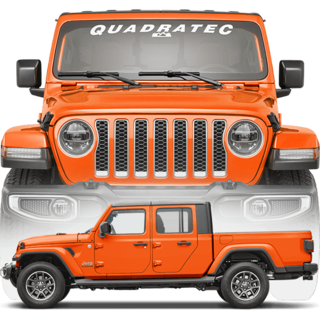
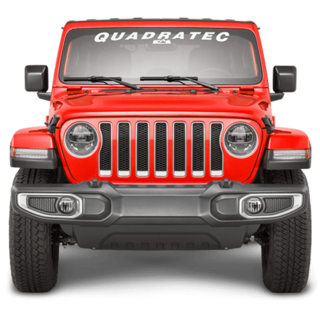
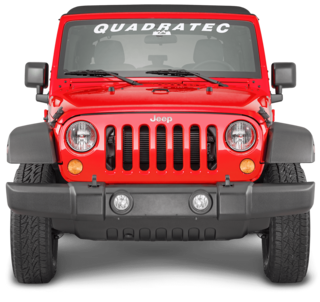
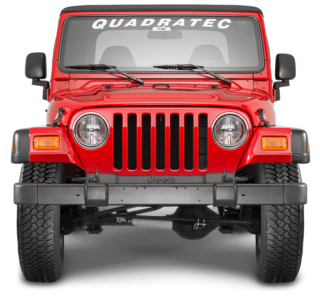
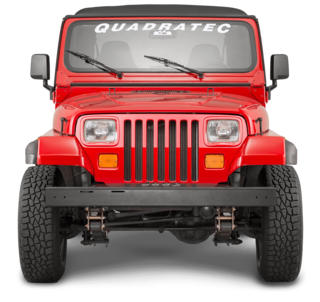
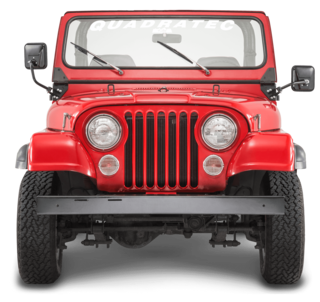
Wranglers may look somewhat similar across generations, but under the surface, they are very different vehicles. Frame design, mounting points, suspension geometry, and electronics all change from one generation to the next.
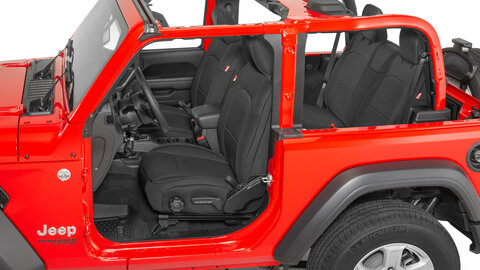
For example: A JK bumper will not bolt directly onto a JL without modification, electrical components for a TJ won’t integrate with modern JL systems, and interior mounting points can vary even between close model years.
Even within the same generation, there can be mid-cycle updates that affect compatibility.
Most product descriptions will tell you what exact years a part fits, but not always. If you can’t find a fitment chart, the manufacturer’s website is always a good option, or email/check with one of our team members.
What Size Tires Can I Fit Without a Lift?
This is one of the most common questions, and one of the most misunderstood.
Yes, many Wranglers can physically fit larger tires without a lift. But the real question is whether they fit through the full range of motion.
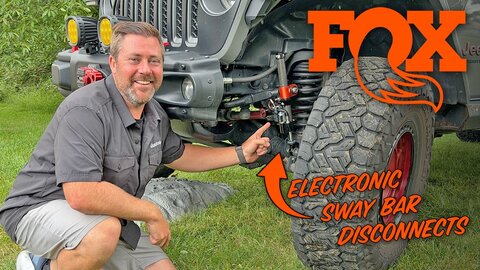
When your suspension compresses or you turn sharply, tires move inward and upward. That’s when problems show up, like rubbing on fender liners or contact with control arms or sway bars, both of which limit articulation and turning radius.
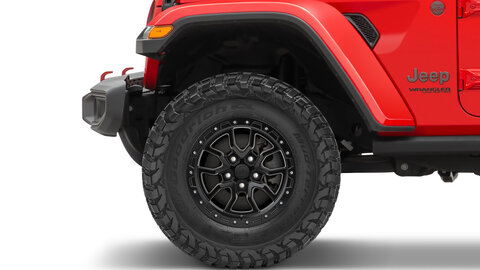
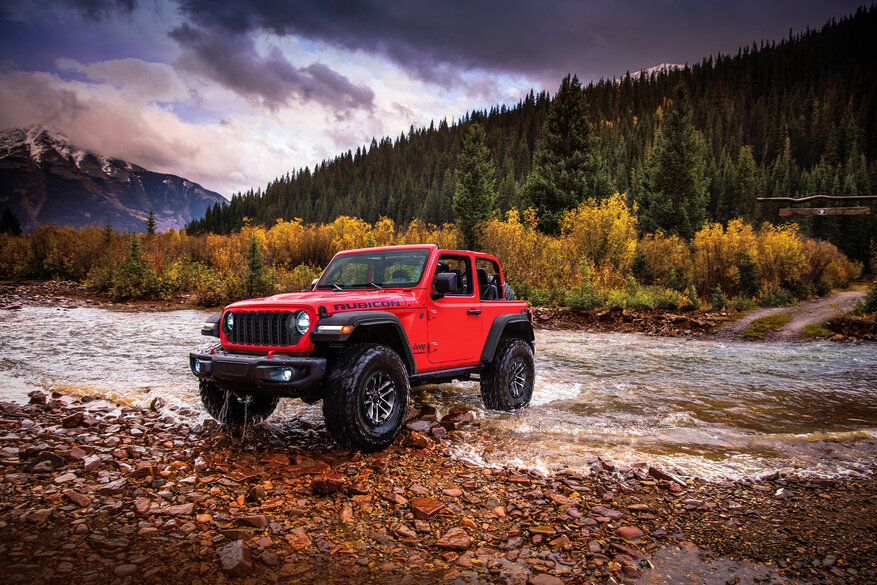
For example, a stock JL can often run up to a 35-inch tire (37-inch for Rubicon), but may rub under flex. A TJ will probably need modification for a 33-inch tire or larger, while YJs generally need a lift for about 30-inch tires.
So while a tire might ‘fit’ parked in your driveway, it may not perform well on the road or trail.
Do I Need a Lift Kit for Bigger Tires?
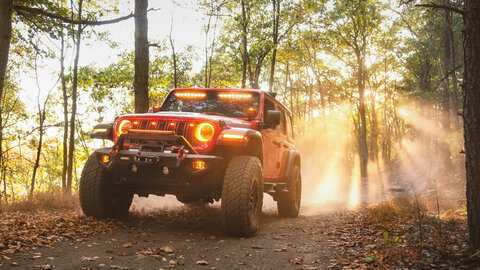
In most cases, if you’re increasing tire size significantly, a lift is the right move. A Jeep lift kit does more than just raise the Jeep. It increases clearance for larger tires, improves suspension travel, and helps maintain proper geometry. Without it, you’re forcing larger tires into a space that wasn’t designed for them.
There are also different types of lifts. For some, a spacer lift is perfect because it is budget-friendly and provides some performance gains without an overhaul of the suspension. For others, a full suspension lift makes sense because it is a more complete solution with improved ride and articulation—especially when off-roading.
The right choice depends on how you use your Jeep. A daily driver may only need minimal lift, while a trail-focused build benefits from a more complete setup.
Do All Jeep Wheels Fit All Jeep Models?
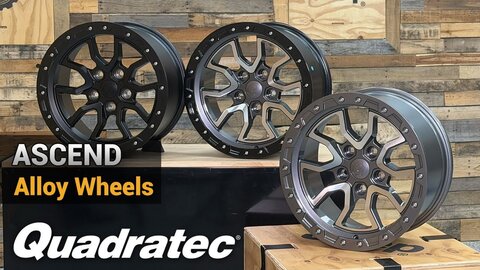
No, and this is one of the easiest ways to make a costly mistake. Wheel fitment comes down to a few technical specs:
- Bolt Pattern: This is the number and spacing of lug holes. If it doesn’t match your Jeep, the wheel simply won’t mount.
- Offset & Backspacing: These determine how far the wheel sits in or out from the hub. Too far in and you’ll rub on suspension components. Too far out creates stress on bearings and altered handling.
- Width & Diameter: These affect tire compatibility and clearance.
For example, JK wheels typically have a different offset than JL wheels even though both have a 5x5 lug pattern. Also, running wider tires often requires different backspacing to avoid rubbing. Even small differences in these measurements can have a big impact.
Jeep wheels can play a crucial role in performance, so make sure you fully research that product page, or ask questions to your sales rep, before hitting that submit order button.
The good news? Once you have those correct wheels in place, you’ll see a noticeable difference.
Do Parts Fit Differently on Rubicon, Sport, and Sahara?
They can, depending on the part.
While many aftermarket products are designed to fit all trims, factory differences can matter. For example, Rubicon models often have stronger axles and different gearing; some trims come with factory steel bumpers or different fender flares, and suspension components can vary slightly between packages.
These differences can affect clearance for larger tires, mounting points for accessories, and may cause compatibility issues with certain upgrades.
All this doesn’t mean parts won’t fit, but it’s worth double-checking trim level fitment when you’re dealing with more complex upgrades.
Will This Part Work With My Other Mods?
Once you start modifying your Jeep, fitment becomes less about the vehicle and more about the combination of parts.
A few common examples: Aftermarket Jeep Bumpers can change winch or lighting fitment, lift kits can affect driveshaft angles and steering geometry, larger tires may require re-gearing for proper performance, and auxiliary products that draw power could affect battery charge.
Every upgrade adds another variable. You can certainly mix and match, but it does mean you need to think a step ahead and, should you have questions, make sure to ask.
What Does “Minor Modification Required” Mean?
This phrase shows up often on product description pages, and it can mean different things depending on the part.
In many cases, it’s something simple like drilling a few mounting holes to secure side rails, or trimming plastic liners for footwell placement, or using pop rivets to attach liners. Things like that.
But sometimes it can be more involved. Some products require cutting metal components, relocating mounting brackets, painting, or custom-fitting parts.
The key is understanding your comfort level. If you’re expecting a quick bolt-on install, make sure to read the product installation instructions on the page to ensure that is what you are getting. And if not, if you feel uncomfortable about tackling a part installation, there are usually plenty of local Jeep clubs that can help, or local mechanics you can use.
What Are the Most Common Fitment Mistakes?
Most fitment issues aren’t complicated. They’re just overlooked details.
Some of the most common mistakes include not checking wheel offset before buying, choosing tire size without considering clearance, mixing suspension components not designed to work together, and assuming all Wrangler parts are interchangeable.
These mistakes usually happen when people focus on appearance first and specs second.
How Can I Make Sure a Part Will Fit My Jeep?
A few quick steps can save you a lot of trouble. First, confirm your exact model, year, and trim level. Then, take note of any existing modifications on the vehicle. Next, review product specifications carefully. And finally, look for notes about required modifications or additional parts.
If you’re unsure about anything, ask before buying. A quick check is always easier than fixing a fitment issue after the fact.
Getting it Right the First Time
Finding the correct part is a combination of diligence and humility. Do the research, but don’t be afraid to ask questions. All this avoids problems and makes your Jeep perform the way it should.
When parts fit correctly, installation is smoother, performance is consistent, and your build works as a complete system. The more you understand how fitment works, the easier it becomes to build your Jeep with confidence.
Related Jeep Guides, Tips & Trail Advice:
Best Spring Jeep Wrangler & Gladiator Accessories for 2026
Jeep Wheel Bolt Patterns & Lug Nut Torque: Complete Guide for Wrangler & Gladiator Owners