









by Quadratec
The deeper you get into modifying your Jeep, the more you realize it’s not just about adding parts, it’s about how those parts work together.
Lift it. Add bigger tires. Bolt on heavier bumpers or a rack. Each upgrade adds capability but also weight, strain, and a subtle hit to performance.
And that’s when the next question shows up. How do you get some of that power and responsiveness back?
This is where “supporting” upgrades start to matter. The ones that do not always grab attention right away, but play a key role in how your Jeep drives once the build starts coming together.
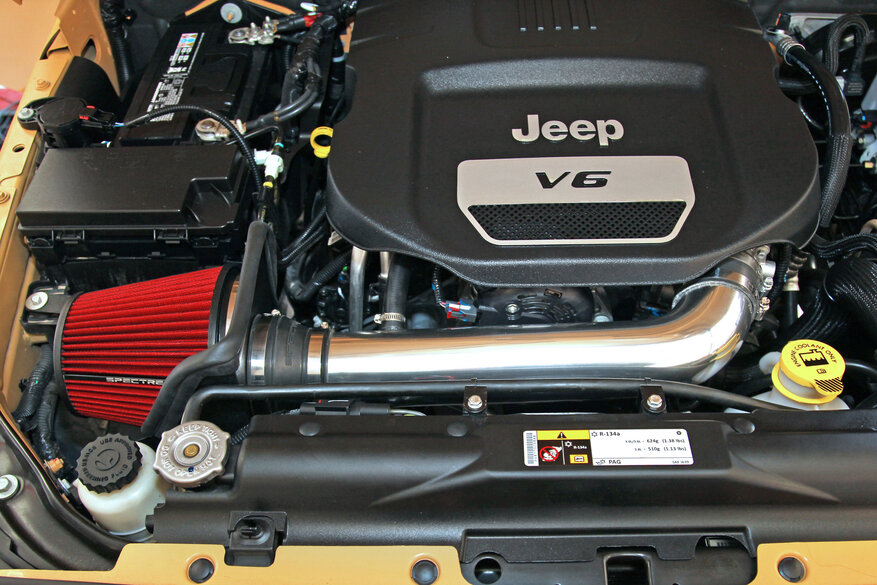
One of those mods is a Jeep Wrangler air intake.
It is something that gets talked about a lot because the product is advertised as providing more airflow, better performance, and improved sound. But it’s also one of the most misunderstood. Some owners swear by them. Others say they’re not worth it on a mostly stock Wrangler.
So, where does a Jeep Wrangler air intake actually fit into your upgrade plans?
The short answer is, you might not need one. But depending on how you use your Jeep, it can make a noticeable difference.
Your Wrangler already comes with a factory air intake system designed to balance performance, efficiency, cost, and noise. It works well for everyday driving. But like most factory components, it’s built to cover a wide range of conditions, not to maximize performance in any one area.
That’s why an aftermarket air intake makes sense, as it is designed to pull in cooler, denser air while reducing restriction compared to the factory setup.
An upgraded air intake moves more air into your engine and does it more efficiently than stock systems. But it’s also not just about more air, it’s about better air.
Most aftermarket systems pull in cooler air from outside the engine bay or shield it from engine heat. Cooler air is denser, which means it contains more oxygen. More oxygen supports more efficient combustion in the engine.
At the same time, aftermarket intakes typically use smoother tubing and less restrictive filters. Factory systems are often constructed to keep noise down and production costs in check, which can limit airflow.
Put everything together, and you get improved throttle response and, in some cases, a modest bump in horsepower. You’re not transforming your Wrangler engine into something completely different, like sports car different, but the engine can feel more responsive, especially when accelerating or merging.
And with suspension kits, larger tires, and other heavier items on the vehicle, every bit of power gain is helpful.
Additionally, if your Jeep sees a lot of dusty trails, dirt roads, or frequent off-road use, air quality becomes a bigger factor.
Many aftermarket intakes use higher-quality, reusable filters designed to capture fine dust and debris while still maintaining airflow. That can help protect your engine over time, especially in environments where particles are constantly in the air. For trail use, this added protection can be just as valuable as any performance gain.
In some cases, a more efficient intake system can help your engine run smoother, which may translate into slight fuel efficiency gains. That said, this isn’t a blanket guarantee. Driving habits, terrain, tire size, and other modifications all play a role in how much additional performance is gained. It’s better to think of a new air intake kit as a possible bonus rather than the main reason to upgrade.
One of the more noticeable changes with an aftermarket intake is how your Jeep sounds.
Many systems allow more of the engine’s natural intake noise to come through, especially under throttle. It’s not overly loud, but it adds a deeper, more aggressive tone that many drivers prefer. Combined with improved throttle response, it can make the Jeep feel a bit more connected and engaging to drive.
As far as upgrading. It makes the most sense if you’ve added other performance upgrades, regularly drive in dusty or off-road conditions, want improved throttle response and engine feel, and/or you’re building your Jeep beyond basic daily driving.
If your overall plan is to keep the Wrangler completely stock and use it mostly for short trips or commuting, the difference may be less noticeable.
So, an aftermarket air intake isn’t a must-have upgrade for every Jeep Wrangler. But it’s a practical, relatively simple way to improve airflow, enhance engine response, and add a bit more character to the vehicle.
Like most Jeep mods, it’s not about one dramatic change. It’s about refining how your Wrangler performs in any driving condition.
Related Jeep Guides, Tips & Trail Advice:
Jeep Fitment Questions Answered: What Fits Your Jeep and What Doesn’t
Jeep Soft Top Questions Answered: Cost, Fitment, Durability & More