







by Rick Rotondo
Torque Staff Writer
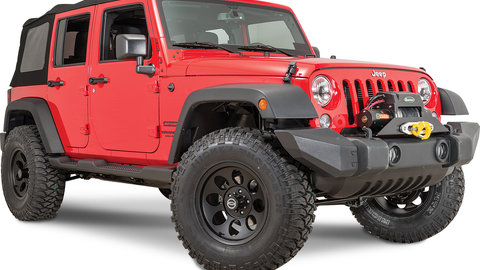
Winches are available in many different weight ratings, colors, aesthetics, waterproof abilities, as well as for a host of different uses. But did you know they are also available with different types of power sources?
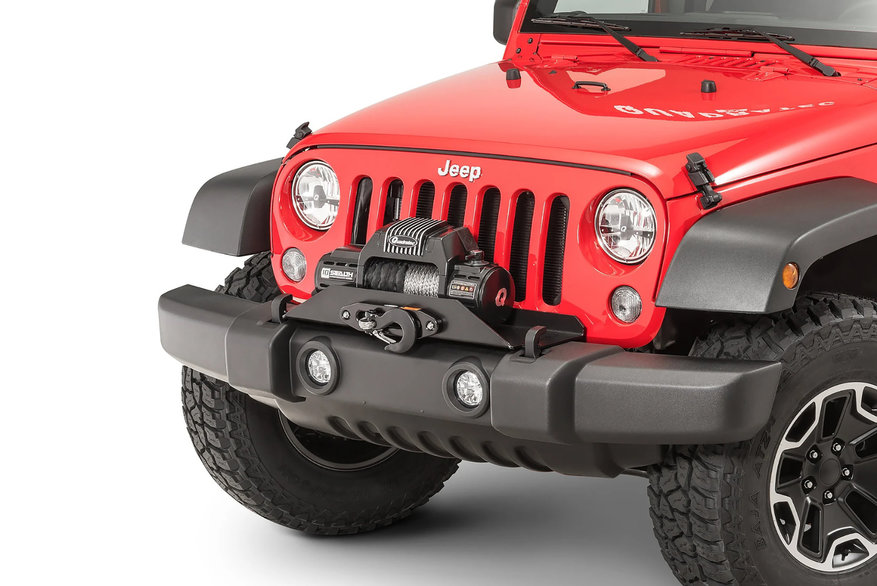
The most popular and well-known winch type is an electric winch. These are predominantly used for off-road vehicles, tow trucks, automotive shops and other general applications.
The other main type that can be harnessed to control a winch is hydraulic power. Hydraulic winches are utilized for the same types of uses I listed prior, as well as heavy-duty military vehicles, fire and rescue, and industrial.
There are some pros and cons to each power type, so let’s go over them.
Electric winches are well known by most off-roaders and are used worldwide. They are generally inexpensive, reliable for short periods of use, simple to install, easy to find and require your vehicle’s battery as a power source.
Some models are available that plug into your home outlets (i.e. your garage) to provide lift capabilities for things such as hardtops. These types of winches are perfect if you are on a budget and looking for a quality winch for your off-pavement trips to Moab, Rausch Creek Offroad Park, Imogene Pass, Windrock, Anthracite Outdoor Adventure Area, or wherever you love going off-road.
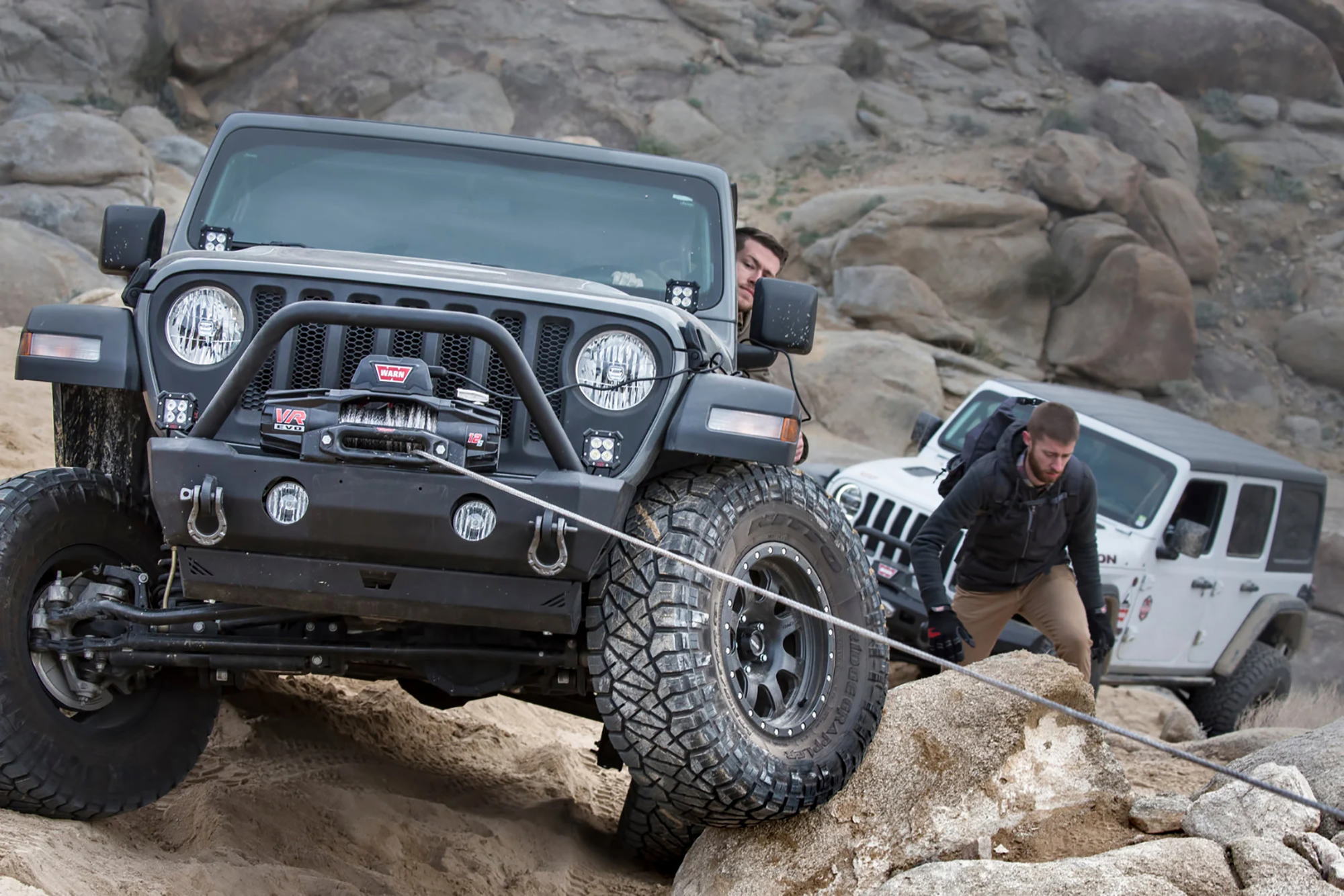
Line-speed is a specialty of electric winches as they tend to surpass the speed of similar capacity hydraulic winches. If you happen to stall in deep water and don’t want to, or can’t, restart your Jeep (due to hydrolock potential), an electric winch may be the better choice to get you out of the water or mud.
Drawbacks do exist, of course, with electric winches. While they are quick, they aren’t meant for heavy use day after day. Most electric winches are for people who may occasionally get stuck. Electric motors tend to get hot, especially in winching applications, and are only air-cooled. They tend to draw a high amount of current as well. This means you need to make sure your electrical system, including battery and connections, is in excellent condition.
Hydraulic winches are the mainstay workhorse of heavy-duty jobs. They utilize fluid to operate the winch. This fluid keeps things cooler while providing a better solution to longer-term use.
This type of winch can run for long periods with little cool-down time in between uses. As mentioned earlier, hydraulic winches are used by places like heavy-duty tow truck companies, fire and rescue services, the military, heavy industry, ships, and cranes where reliability and heavy load use for extended time periods is a minimal requirement of the job.
Additional modification of your Jeep is required to install a hydraulic winch. It can run using your power steering lines and water pump — modified, of course.
You can also have a special reservoir(s), lines and pump setup installed on your Jeep. This does add some extra cost though to the already more expensive hydraulic winch compared to electric.
A slower line speed is generally the norm if comparing two identical capacity winches when one is hydraulic and one is electric. Something also pretty serious to consider with hydraulic winches is that your engine must be on for the winch to operate.
If you have the need for a reliable, heavy-duty, winch system, and don’t mind paying a little more then a hydraulic winch should really be considered. If you off-road every weekend and use your winch almost every time you head out on the trails, then you may also want to consider hydraulic instead of electric.
But if you are an occasional off-roader, and really just need some additional peace of mind while on the trails, and prefer to keep your bank account happy, then an electric winch is definitely your best option.