










by Matthew Konkle
Executive Editor
Part of the beauty of owning a Jeep Wrangler is individual personalization. Nobody is forced one direction or another down the modification trail. Some may turn towards tires and wheels first. Some go to bumpers and side armor. Others may look at suspension kits and other off-road improvements.
It's all personal choice.
That said, every veteran Jeep owner knows that not all modifications come out of a cardboard box. Over the decades, the community has invented a handful of psychological, zero-dollar "upgrades" that are improvised solutions born from stubborn optimism, denial, and a refusal to pull over.
While we’re always here to help you discover modification projects the right way, let’s look at five Jeep "mods" you definitely don't need in your life.
The "Acoustic Drivetrain Fix" (Turning the Volume to 38)
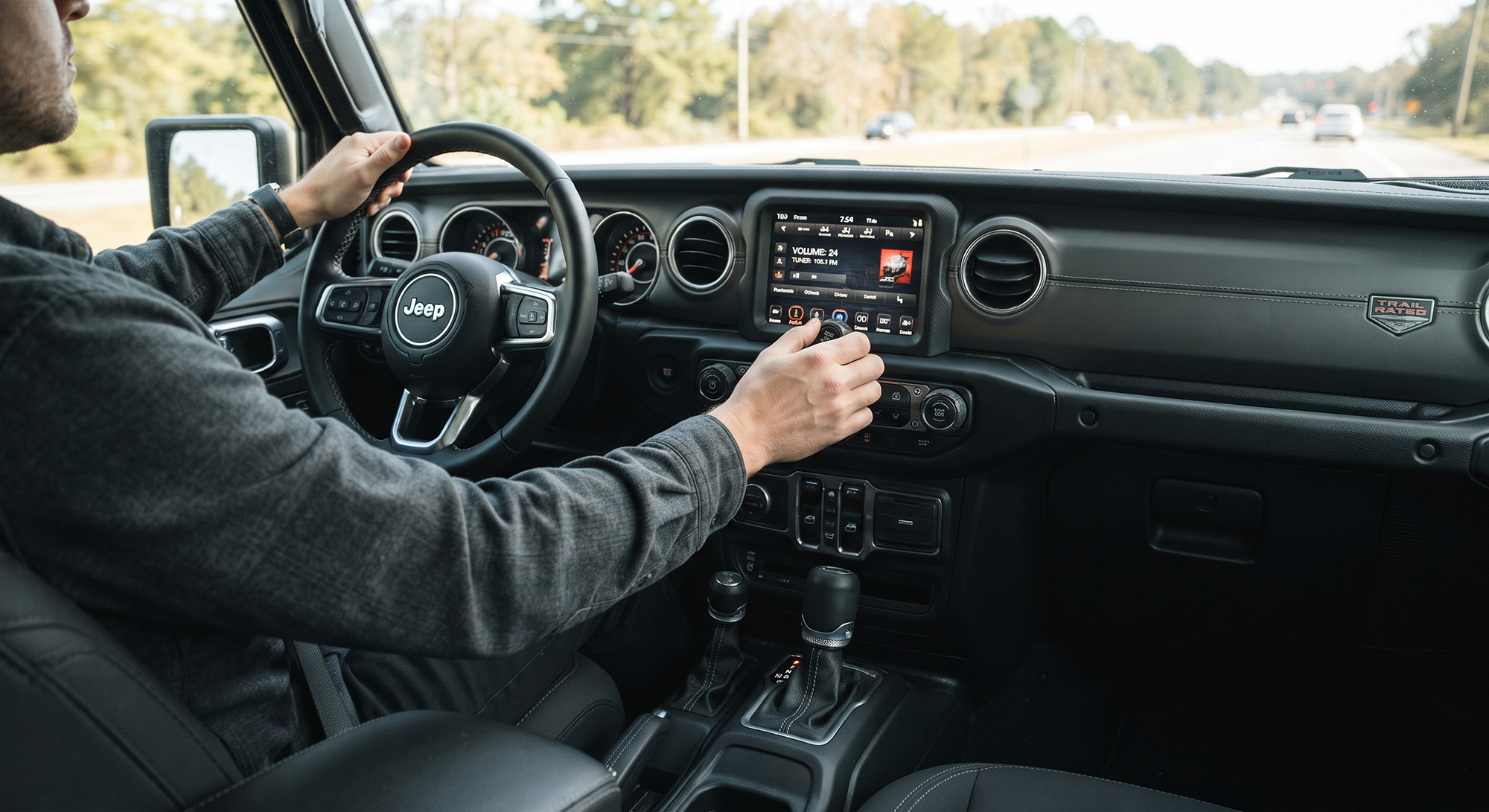
We’ve all been there: a faint, rhythm-matched chirping begins somewhere under the floorboards at 45 mph. Instead of crawling underneath with a grease gun or checking a dry U-joint, you deploy the ultimate audio fix: cranking the stereo dial until the noise leaves your reality.
While blasting classic rock certainly drowns out questionable driveline vibrations, it rarely resolves the underlying physics. It works wonders for peace of mind right up until a component decides to physically exit the vehicle on the highway.
If your Jeep is trying to talk to you, don’t turn up the radio. Listen, instead. Then take a look, or have your mechanic take a look, and then make the correction.

The "Human Steering Damper" Muscle Mod
When a Jeep’s front end starts feeling flighty over bridge expansion joints, some drivers attempt the oldest mechanical override in the book: locking their elbows, tensing their core, and white-knuckling the steering wheel like a NASCAR driver entering turn four.
This may seem normal, and treating your morning commute like an aggressive forearm workout is admirable, but human biceps cannot out-muscle bad caster angles, worn track bar bushings, or unbalanced 37-inch tires. Proper steering geometry beats a gym membership every single time.
Do yourself (and anyone else riding with you) a favor and give your steering components a good inspection if you are encountering “the wobble.” And if you are not sure what to do, we’ve put together a handy guide to help.
The "Squint & Floor It" Ground Clearance Mod
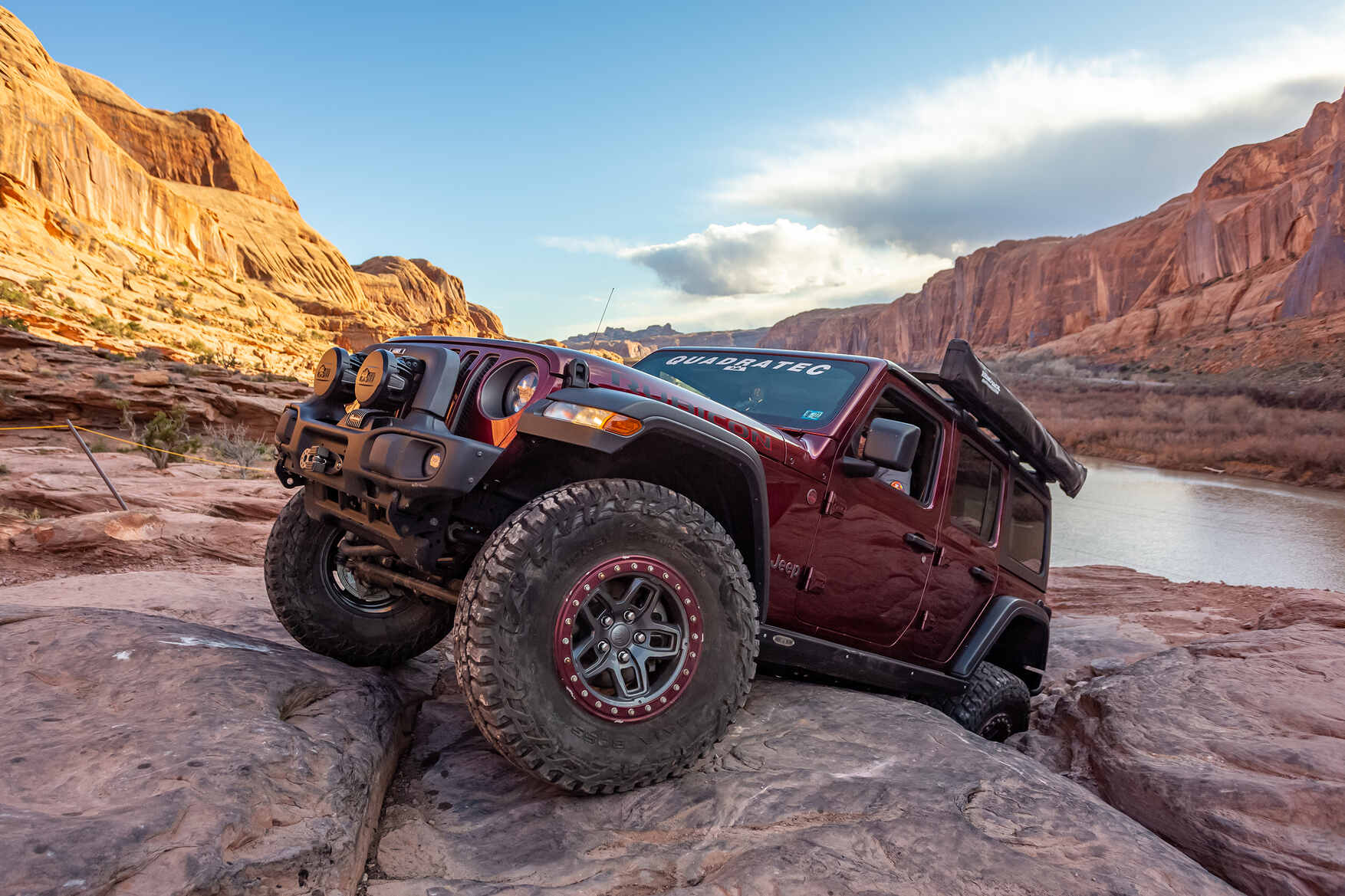
Staring down a boulder that clearly sits three inches higher than your front differential pumpkin? The "Squint & Floor It" school of thought claims that sufficient momentum and blind courage can temporarily modify actual suspension travel and breakover clearance.
We’ve seen it before. Plenty of times. That notion where common sense is temporarily overwhelmed by impulsive action.
Sure, closing your eyes and pinning the throttle may indeed get you over that obstacle, mostly by letting your heavy-duty skid plates play an aggressive percussion solo across the bedrock. It’s effective, but your undercarriage and diff covers would much prefer proper line selection and a legitimate lift kit.
So keep your common sense, as well as your Jeep’s undercarriage intact, and choose smart suspension upgrades.
The "Permanent Summer" Weather Denial Mod
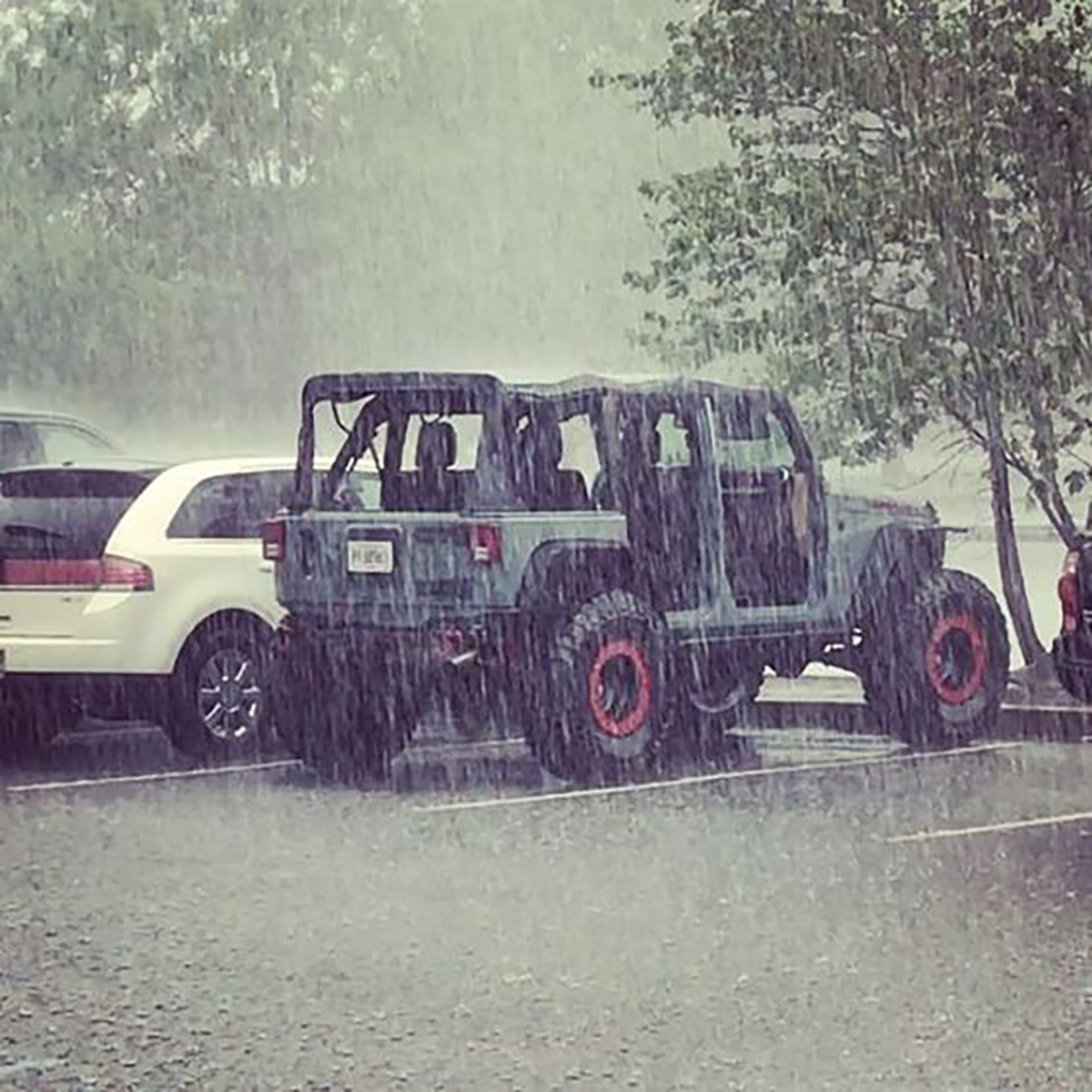
The first afternoon the temperature breaks 65 degrees, the hardtop comes off, the tube doors go on, and you enter a contract of pure weather denial. Even when the radar shows dark purple storm cells brewing along your commute home, you convince yourself that driving topless at 70 mph creates an aerodynamic "rain vortex" that will keep the interior bone dry.
Spoiler: it won’t. You’ll arrive home looking like you swam through a car wash. Ask us how we know. Fortunately, Jeep put floor drain plugs in the tub for a reason.
Be smart. Invest in soft accessories like bimini tops, windscreens and tonneau covers if you plan to keep the hardtop (or full soft top) off all summer long.
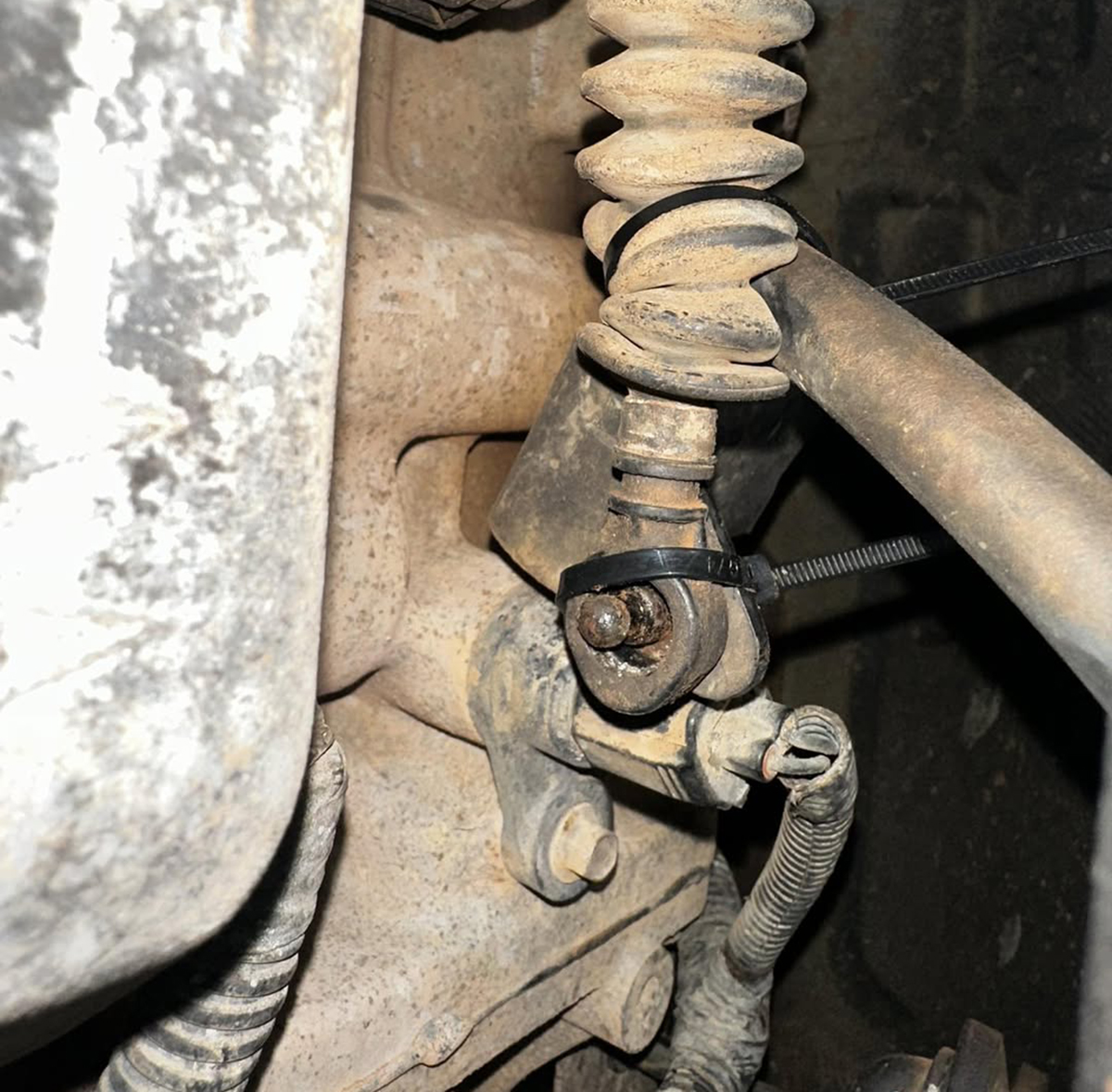
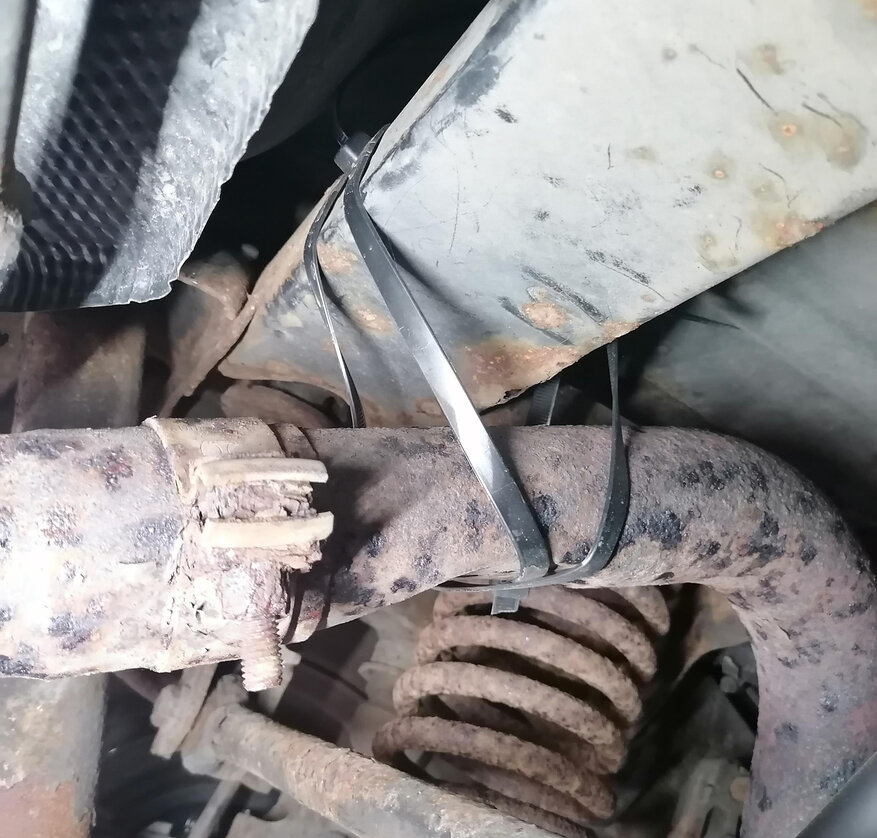
The "Structural Zip-Tie" Lifetime Warranty
It starts innocently enough: you use an extra-long, UV-resistant nylon zip tie as a five-minute trail fix to secure a dangling fender liner or keep a wiring harness away from a hot exhaust manifold.
The problem is that trail fixes have an uncanny habit of becoming permanent chassis components. Three years and four state inspections later, that single zip tie is somehow holding together half the front end. It’s resourceful trail engineering, sure, but eventually, real hardware must make an appearance before something worse happens.
Whether that means an all-new exhaust, tailpipe, fender flares, or some other replacement for a weary part holding on for dear life, give that zip tie a break and make the change.