






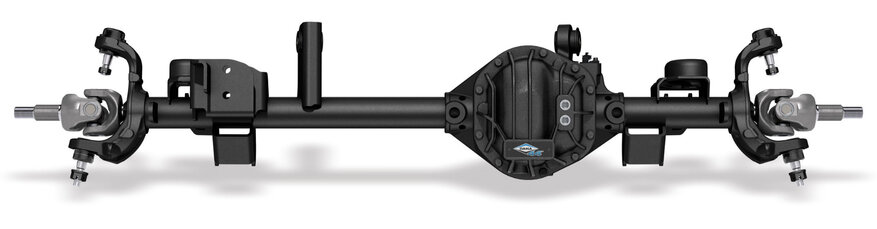
by Quadratec
At some point, whether because of trail issues, lack of highway power, or the addition of other new parts, every Wrangler owner eventually asks the same question: What axles are in my Jeep?
And more importantly, how can I tell without crawling under the vehicle?
The Jeep Wrangler is famously customizable and can ship from the factory with several axle combinations, mostly depending on the vehicle's trim level. Plus, because of this customization, many do not even have the same axles they did when they were showroom new. So, for those who have owned their Jeeps for a long time, or anyone who may have just bought a used Wrangler, identifying the axles isn't as simple as looking at a spec sheet.
From the first-edition Wrangler YJ in 1987 to the brand-new JL, Jeep has featured three main varieties of solid axles produced by Dana: the Dana 30, 35, and 44. Your Wrangler will likely have some combination of these three.
Quick Info
- What axles are in your Jeep JK depends on trim and doors: expect a Dana 30 front axle with a Dana 35 or Dana 44 rear, and Dana 44 front and rear on Rubicon models.
- What axles are in your Jeep JL? It follows a similar pattern: Dana 30 front and Dana 35 rear on standard trims, and Dana 44 front and rear on Rubicon.
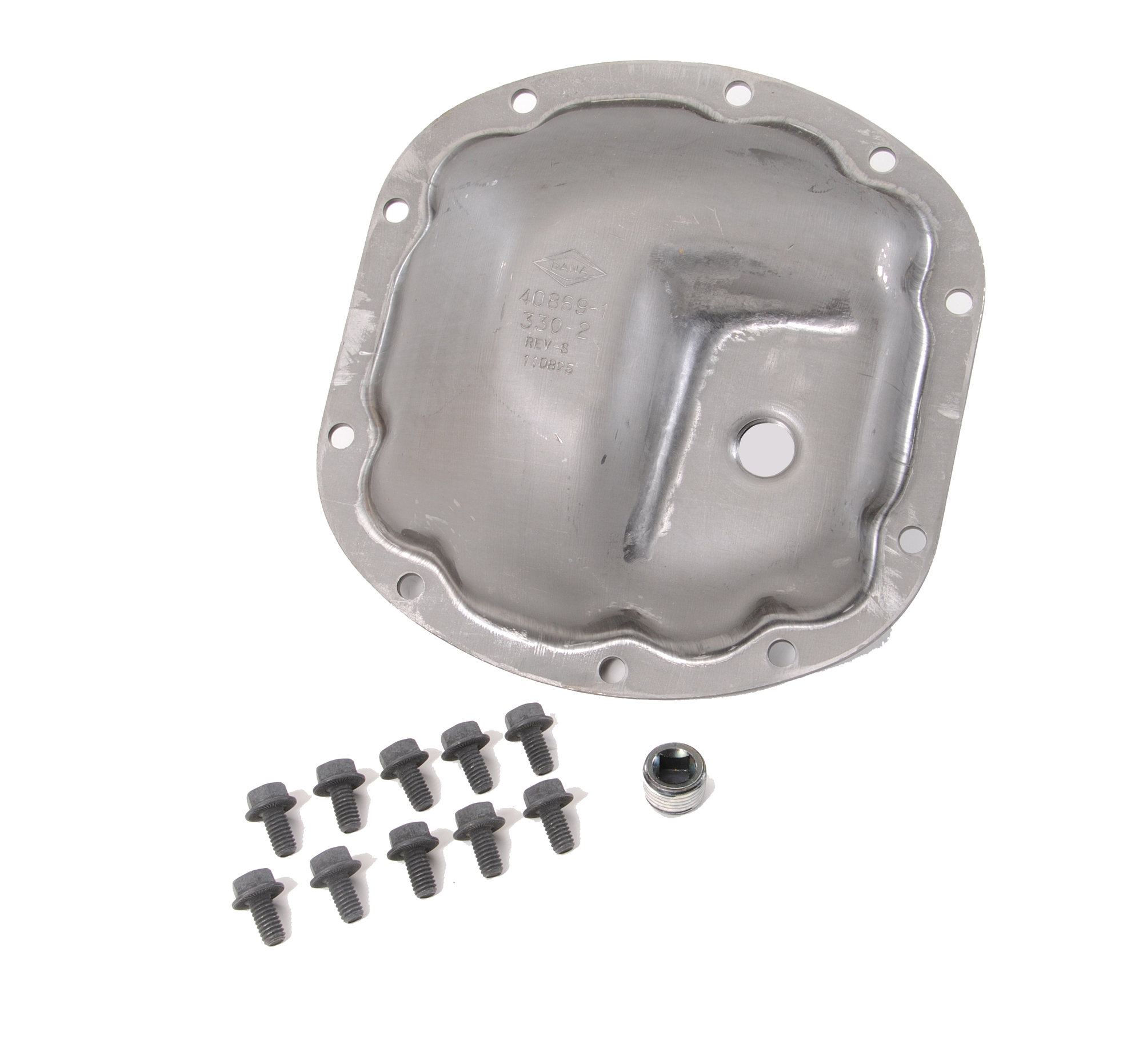
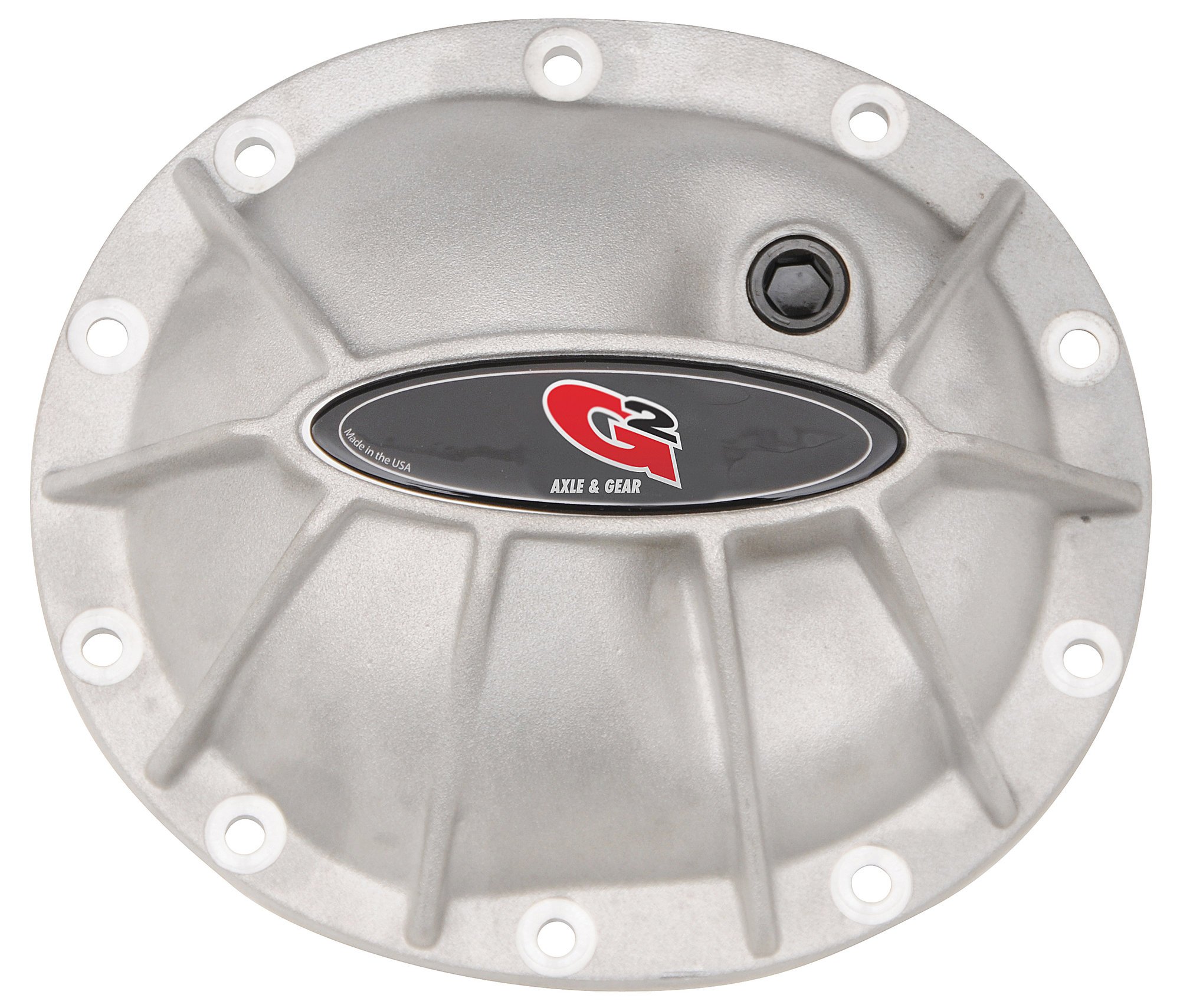
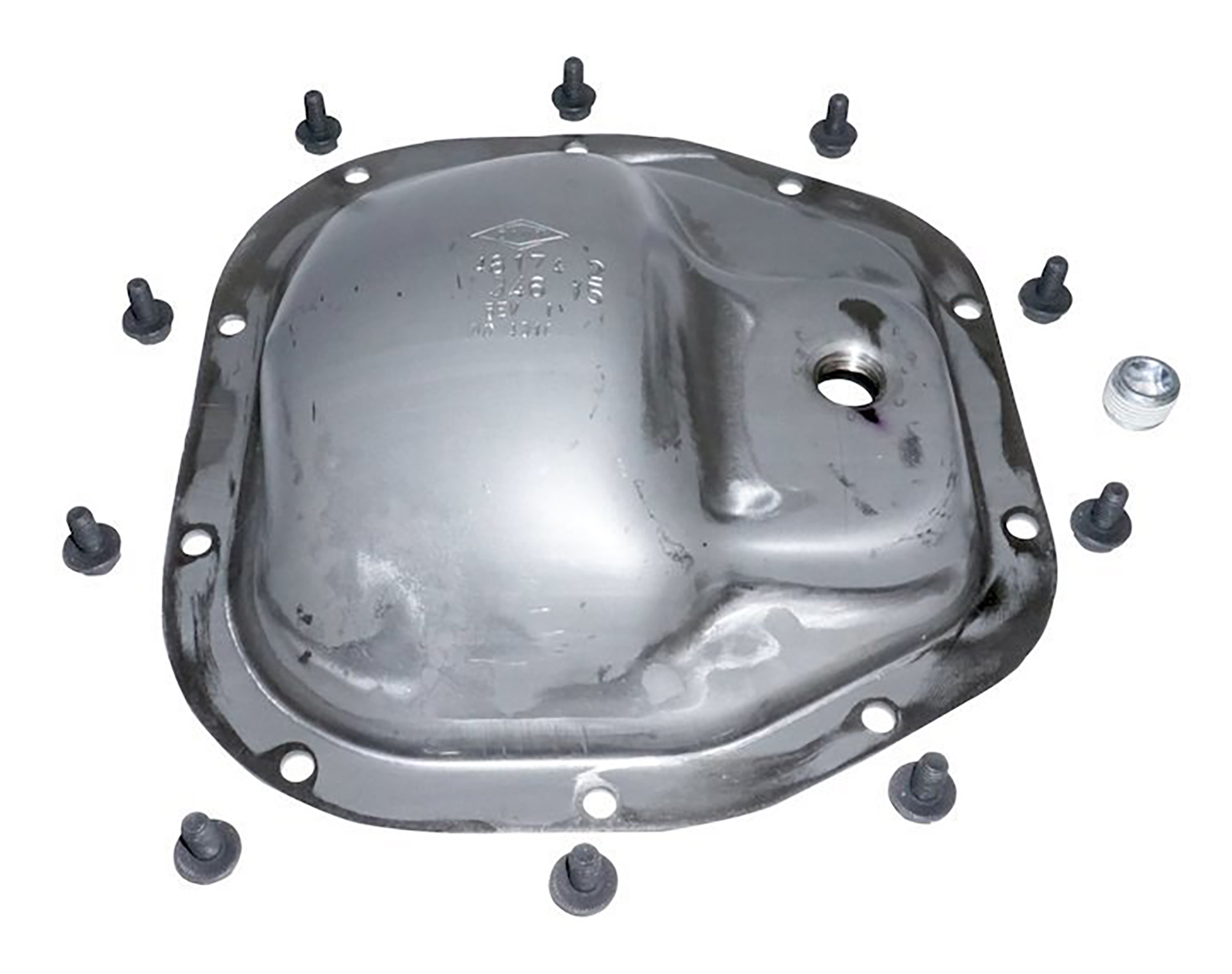
- The differential cover shape tells you the axle at a glance: flat sides with a round top and bottom for Dana 30, an oval shape for Dana 35, and flat sides with an angular top and bottom for Dana 44.
- The Bill of Material number stamped on the axle tube is the most reliable way to confirm exactly which axle is under the vehicle, especially on a used Jeep.
- Owners upgrading to tires larger than 35 inches often swap factory axles for Dana 44s to avoid bending weaker factory components over time.
Dana 30 Front Axle
The Dana 30 is the most common front axle found under most Jeep Wranglers, and you can easily spot it by its differential cover with flat sides, plus its round top and bottom. This axle was also only ever put in the front of Jeep Wrangler vehicles, so don't waste your time checking out the rear to determine that version, as it won't be a Dana 30.
Dana 35 Rear Axle
Conversely, the Dana 35 is only found as a rear axle for the Jeep Wrangler. You can identify this axle version by its oval-shaped differential cover, which is wider than it is tall.
Dana 44 Front or Rear Axle
Lastly, Dana's beefier 44 axle can be found under the front or rear end of a Jeep Wrangler, and it looks the same front to rear, with flat sides and an angular top and bottom. The Dana 44 is also typically standard on the Rubicon Wrangler trim level; however, many choose it as a stronger upgrade to replace a 30 or 35 when moving to larger wheels and tires.
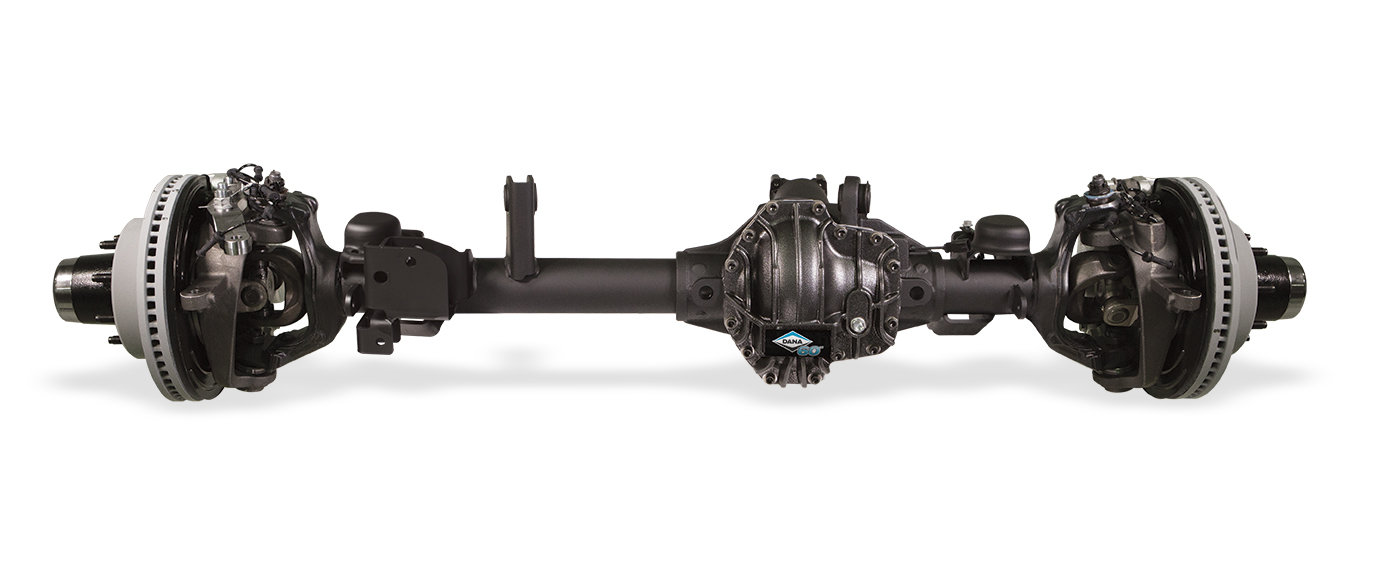
Dana 60 Axle: The Heavy-Duty Upgrade
While not a stock axle on any Wrangler trim level, Dana offers its 60 series axle for Jeep owners who need serious off-road performance. Its strength and ability to handle the stress of larger tires and wheels (think 38 to 40 inches or higher) make it extremely popular with that crowd.
This burliness is usually a huge selling feature of the Dana 60, and those buying a used Jeep with this axle usually know what they are getting. But just in case, these Dana 60 axles should have the model number stamped somewhere on the bottom right of the center section. They also have a substantially larger center section to accommodate larger gearing.
Finding Your Axle's Bill of Material Number
If you've tried to identify your axles by shape or vehicle year and are still unsure, another option is to pull the axle's Bill of Material number, located on the long tube of the axle shaft. This number is six digits followed by one or two digits at the end of the tube. With that number, you can check on Dana's website to identify which axle you may have.
Jeep YJ Axles (1987-1995)
As far as stock breakdowns go, original owners of a Jeep YJ (1987-95 build years) will have a Dana 30 in the front and a Dana 35 in the rear, since Jeep offered only one factory combination in those years.
Jeep TJ and LJ Axles (1998-2006)
After the introduction of the Wrangler TJ (1998-2006), original owners still have a Dana 30 up front and most likely a Dana 35 rear as well. But Jeep did have a Dana 44 rear axle option for those driving a manual transmission. In 2003, Jeep introduced the Rubicon trim level for the TJ Wrangler and included a Dana 44 front and rear axle. Finally, those original LJ Unlimited owners (2003-06) have a Dana 30 front and Dana 44 rear.
What Axles Are In My Jeep JK? (2007-2018)
Moving on to the JK Wrangler edition (2007-18), original owners have front Dana 30 axles, except those with a Rubicon trim level, which has front and rear Dana 44s. Some owners of very early production two-door model JKs have a Dana 35 rear axle, but Jeep quickly switched production to Dana 44 rear axles. All original four-door JK Wrangler owners have Dana 44s under the rear end.
What Axles Are In My Jeep JL? (2018-Present)
If you purchased a new JL Wrangler, you have Dana 30 front and Dana 35 rear axles unless you specifically bought one with upgraded Dana 44s. All Rubicon JL owners have a Dana 44 front and rear axle. However, these aren't the Dana 30, 35, or 44 axles found in earlier Wrangler models, as Dana has made JL axles stronger and lighter than any other generation. So much so that they aren't interchangeable with earlier-generation axles. For more information on these axles, as well as other JL Wrangler changes, check out our JL Wrangler showcase page.
Confirming Your Axles With a VIN Lookup
Another way to find your Axle model, if you are the vehicle's original owner, is to locate your vehicle identification number and enter it on Jeep's website.
Do You Need to Upgrade Your Axles?
For most people, the Dana 30/35 (44) combination is fine for everyday driving and some lighter off-road activity. However, when you begin upgrading components on the Jeep (read: adding extra weight), then swapping your drivetrain axles definitely makes sense, especially if those new additions include wheels and tires that are larger and wider.
While there is no hard-and-fast rule that says, "if you do A then you must do B," many YJ and TJ owners swap the factory axles for Dana 44 front and rear axles when moving to 33- or 35-inch tires. This is also true for those JK owners bumping up past 35-inch tires. The alternative is to let those heavier tires bend the factory axles over time. Which isn't fun for anyone.
Frequently Asked Questions
What axles are in my Jeep JK? Most JK Wranglers have a Dana 30 front axle. Non-Rubicon two-door models built early in the run have a Dana 35 rear; later two-doors and all four-doors have a Dana 44 rear, and Rubicon models have Dana 44 front and rear.
What axles are in my Jeep JL? Standard JL Wranglers run a Dana 30 front and Dana 35 rear axle. Rubicon JL models get a stronger Dana 44 front and rear, and some owners upgrade to aftermarket Dana 44s.
How can I confirm my axle without crawling under the Jeep? Check the differential cover shape first, then confirm with the Bill of Material number stamped on the axle tube, or pull your factory build sheet using your VIN on Jeep's website.
Related Jeep Guides, Tips & Trail Advice:
Jeep Tire Size Calculator & Comparison Tool