
















by Matthew Konkle
Managing Editor
Earth Day comes around once a year. But what we do on the other 364 days actually matters.
If you spend any time behind the wheel of a Jeep, you already understand the appeal. Getting off the pavement, finding new terrain to explore, and seeing places most people never will. That freedom is a big part of why we do it. But it also comes with a responsibility that’s easy to overlook in the moment.
Earth Day itself started back in 1970, when an estimated 20 million people took to the streets in protest of plenty of bad stuff happening in the environment. It was also the culmination of weeks of work by Gaylord Nelson, a Wisconsin Senator, and a graduate student named Denis Hayes. Both were moved to action following a massive oil spill in Santa Barbara, California.
Following this first Earth Day, things did begin to change. Laws were enacted to help protect our environment, and the Environmental Protection Agency was established.
This year, Wednesday's Earth Day marks its 56th incarnation, and the event now annually brings together over a billion people in 190 countries who participate in educational, public policy, and activism campaigns.
For those in the motorized off-road community, since the Covid years, more people are hitting parks and trails than ever, and that impact adds up faster than most realize. Trails get wider, trash gets left behind, and access can disappear just as quickly as it showed up. If you’ve ever come across a trail that’s been shut down or neglected, you’ve seen how quickly things can go wrong.
The good news is, keeping trails open and usable doesn’t take anything extreme. It comes down to small decisions made consistently.
It Starts with Staying on the Trail
This sounds simple, but it’s one of the biggest factors in protecting off-road access.
Cutting around obstacles or making your own line might feel harmless in the moment, but it leads to erosion, damaged vegetation, and eventually trail closures. It can also impact animal habitats and ruin their fragile ecosystems. Once a path starts to widen, it doesn’t stop on its own.
Sticking to designated trails keeps the impact contained and helps land managers justify keeping those areas open.
Pack It In, Pack It Out
Everyone knows the rule. Not everyone follows it.
Trash scattered through trail systems is one of the fastest ways to lose access. And it’s not always the obvious stuff. Water bottles, food wrappers, zip ties, even broken parts all add up.
A good habit is to leave with more than you brought. Stash some extra trash bags in the Jeep before you leave for a trail run, and take a look around you each time you stop. If you see something, grab it. It takes a few seconds, and it makes a difference over time.
Respect the Land and the Conditions
Not every trail is meant to be driven year-round.
Wet, muddy, and/or snowy conditions can turn a solid trail into a rutted mess that takes months to recover. We saw it during this year’s Easter Jeep Safari in Moab, Utah. Many rocky obstacles were significantly harder because their bases had been dug out by multiple vehicles, tearing up the surface. Driving through ruts may seem like part of the fun, but it’s one of the quickest ways to cause lasting damage.
If conditions aren’t right, it’s better to turn around and come back another day. Or use a spotter and carefully traverse the area. Those decisions alone help preserve trails more than most people realize.
Keep Your Jeep in Check
A well-maintained Jeep equals a reliable Jeep. It also helps reduce your impact on the environment.
Fluid leaks, loose parts, and excessive wheel spin can all leave a mark on the trail. Making sure your vehicle is in good shape before heading out is part of responsible off-roading, so spend those extra few minutes to ensure yours is functioning to the best of its ability.
It’s also worth paying attention to how you drive. Smooth throttle, controlled climbs, and sensible descents all help protect the terrain.
Support the Groups Doing the Work
A lot of the trails we enjoy stay open because of volunteer groups and organizations that put in the time.
Groups like Tread Lightly!, a not-for-profit national organization dedicated to protecting the great outdoors, as well as local off-road clubs, work directly with land managers to maintain access, organize cleanups, and educate the community. Supporting them, whether that’s through membership, donations, or just showing up to a trail day, goes a long way.
Even one afternoon helping with cleanup or maintenance gives you a different perspective on what it takes to keep these places open.
What This Looks Like in Real Life
It doesn’t have to be complicated.
- Stay on marked trails
- Avoid driving in poor conditions
- Pick up trash, even if it’s not yours
- Keep your vehicle maintained
- Respect closures and posted signs
That’s it. No big gestures, just consistent habits.
What We Do
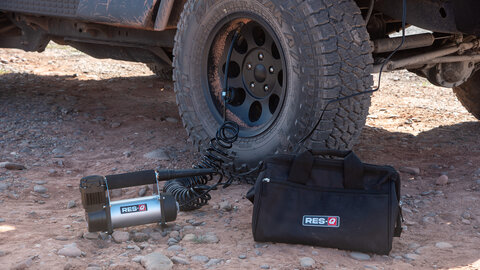
At Quadratec, we enjoy spending time off-road and try to do our part whenever we step outside. Whether it is a small gesture like picking up a piece of trash or making sure all our Jeeps’ tires are aired up properly for maximum fuel efficiency, or our efforts with Tread Lightly! and local off-road parks such as Anthracite Outdoor Adventure Area, our goal is to seize the initiative and change our world for the better.
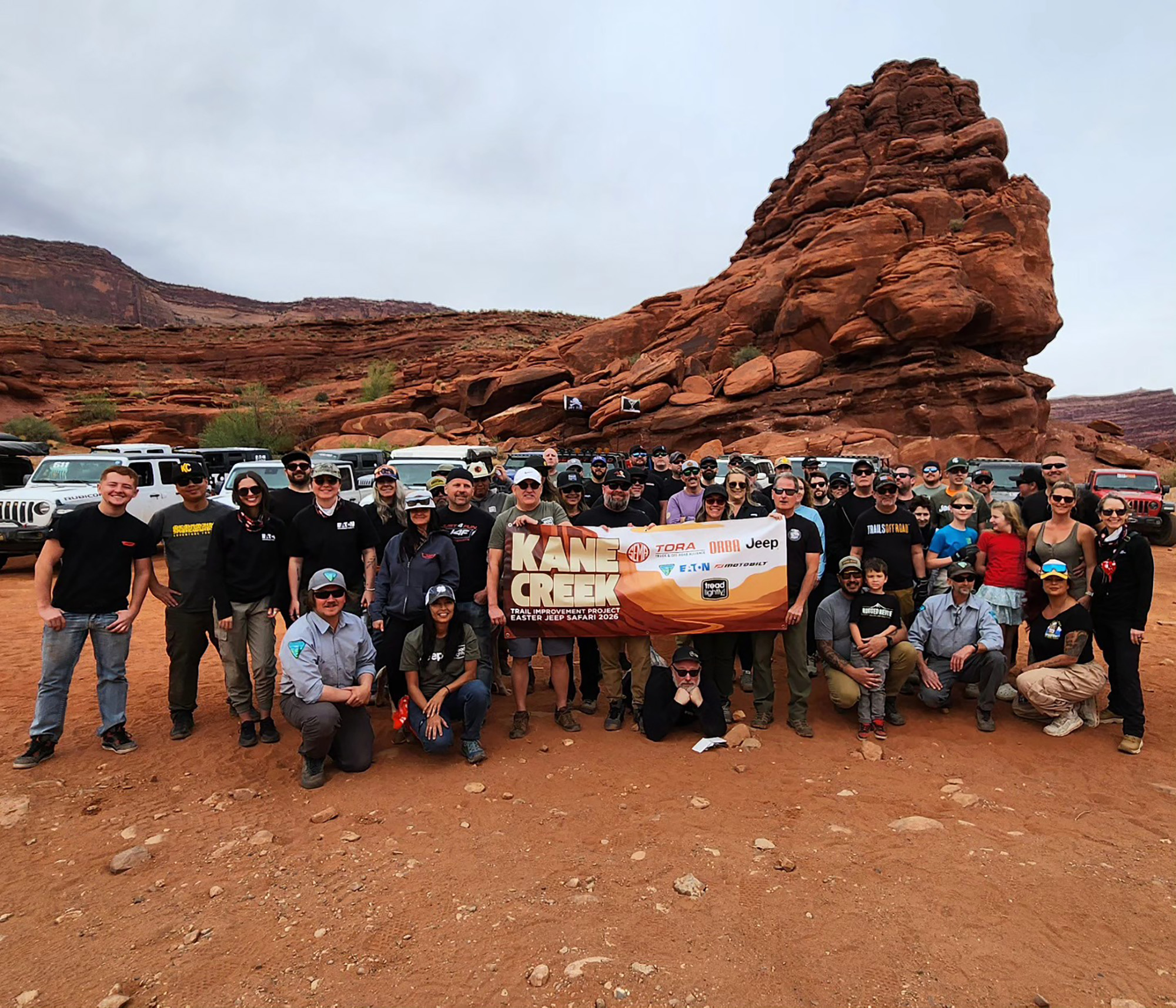
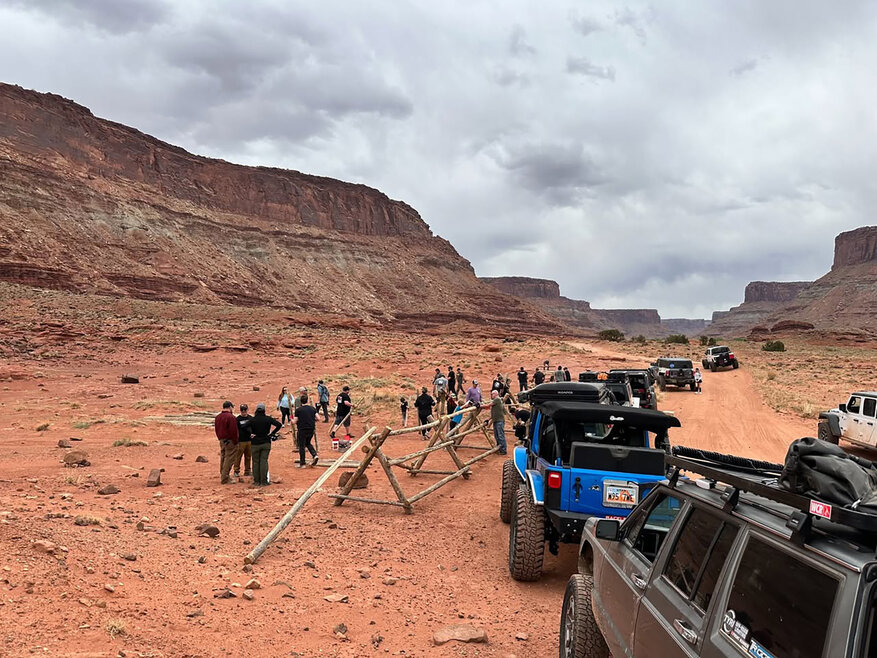
Recently, we participated in the 60th annual Easter Jeep Safari in Moab, Utah, and joined up with our Tread Lightly! friends and others for a trail restoration day on the Kane Creek Trail. Over 40 volunteers helped construct fencing to eliminate off-trail driving in a vulnerable section and protect important conservation areas.
Over the years at EJS, we’ve participated in plenty of these Tread Lightly! projects that restored important historical areas, trimmed away invasive brush, and sucked up plenty of discarded trash.
We even created a 50-state, 50-trail initiative a few years ago that helped fund 50 trail improvement projects, one in each state, over two years. This project removed nearly 125,000 pounds of trash and fixed up over 900 miles of trails across the country.
Tread Lightly! provides a great example for anyone interested in taking their vehicle off-road. The company's philosophy includes:
- Travel Responsibly on land by staying on designated roads, trails, and areas. Go over, not around, obstacles to avoid widening the trails. Cross streams only at designated fords. When possible, avoid wet, muddy trails. On water, stay on designated waterways and launch your watercraft in designated areas.
- Respect the Rights of Others including private property owners, all recreational trail users, campers and others so they can enjoy their recreational activities undisturbed. Leave gates as you found them. Yield the right-of-way to those passing you or going uphill. On water, respect anglers, swimmers, skiers, boaters, divers and those on or near shore.
- Educate yourself prior to your trip by obtaining travel maps and regulations from public agencies. Plan for your trip, take recreation skills classes, and know how to operate your equipment safely.
- Avoid Sensitive Areas on land such as meadows, lake shores, wetlands, and streams. Stay on designated routes. This protects wildlife habitats and sensitive soils from damage. Don’t disturb historical, archeological, or paleontological sites. On water, avoid operating your watercraft in shallow waters or near shorelines at high speeds.
- Do Your Part by modeling appropriate behavior, leaving the area better than you found it, properly disposing of waste, minimizing the use of fire, avoiding the spread of invasive species, and repairing degraded areas.
Even if you are not currently involved with trail assistance programs or environmental action, there are several things you can still do to help keep Earth Day relevant all year, while assisting the environment at the same time. Things like growing your food, striving to go paperless, planting a tree, carpooling–even drinking less bottled water to cut down on plastic waste–are all great ways to keep the spirit of Earth Day going throughout the year.
For those interested in helping, check your local Jeep club or off-road park, as they often schedule trail cleanup events that you can join. Also, consider donating to Tread Lightly! as every dollar helps them accomplish their mission more effectively.
Related Jeep Guides, Tips & Trail Advice::
Quadratec 50-state, 50-trail Stewardship Initiative
Moab, Utah's Top 10 Off-Road Trails
All-Terrain vs. Mud-Terrain Tires: Choosing the Right Tire for Your Adventure