




by Tara McGovern
Special to Torque
Part One of Three
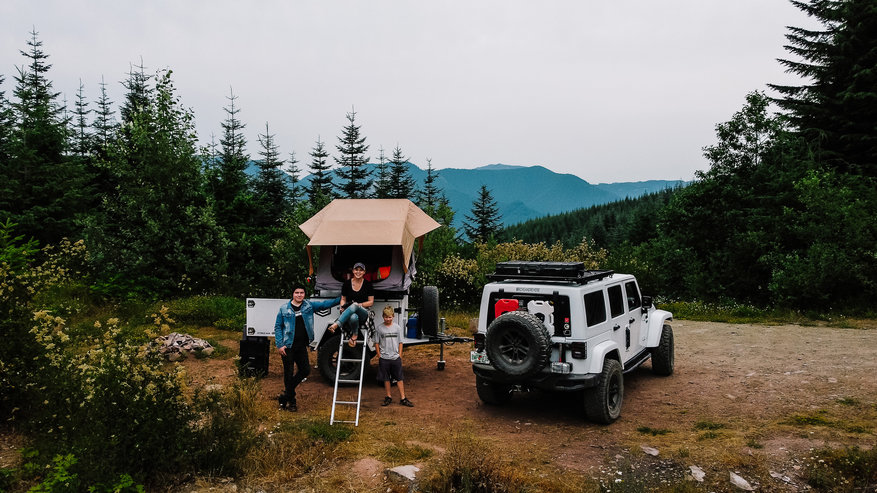
The most daunting part and probably biggest deterrent for people who are considering remote overlanding trips are the “what-ifs”. We always see all those social media posts making everything look so perfect and effortlessly adventurous, but when we actually start preparing and packing, well, things don’t always go so perfect or effortless.
Knowing you are ready, having done that research and realizing you can handle those situations gives you so much freedom to really allow you to enjoy the process.
So here are some simple tips and examples of how I do things that will hopefully help negate any overwhelming feelings and help you gain that confidence to go adventuring into some amazing remote areas.
Obviously, being prepared for any kind of emergency is a top priority. To break that down a little further, we can split this into vehicle emergencies and personal/medical emergencies.
In this first part, we’ll talk about how to set up your vehicle and what to carry during your outdoor adventures. You should really plan on bringing along most basic tools and parts that will allow you to make trail repairs or handle vehicle emergencies if help is not easily accessible.
I’ve made lists below of each category to try to streamline that information for you.
Fluids:
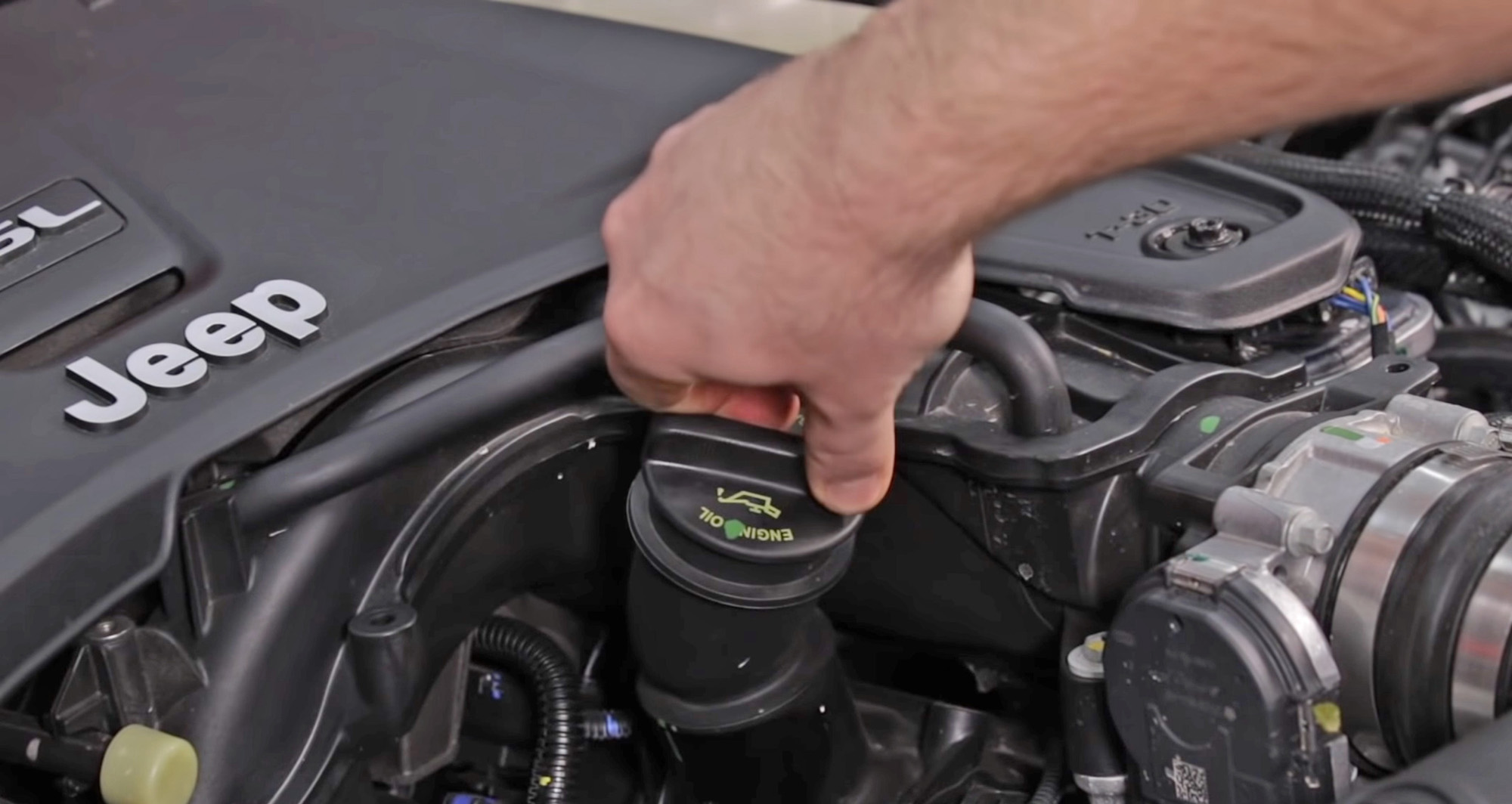
I always make sure to carry extra of just about every vital fluid that my vehicle needs to stay running. This includes gasoline (by the way, ALWAYS store this on the outside of your vehicle in a specialized container), engine oil, differential/gear fluid, transmission fluid, coolant, brake fluid, power steering fluid and even wiper fluid (you can get tablets that mix with water to consolidate). Make sure you know how to check and change all of the above fluids if necessary.
Parts:
I do not carry a ton of replacement parts because this makes the vehicle very heavy, but I do bring along an extra serpentine belt, tire repair/plug kit, radiator hose, wiring and fuses, tire stem valves, and extra bolts for each major component on the Jeep.
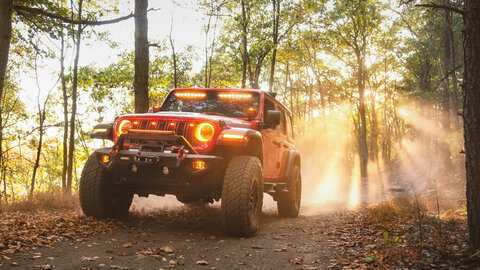
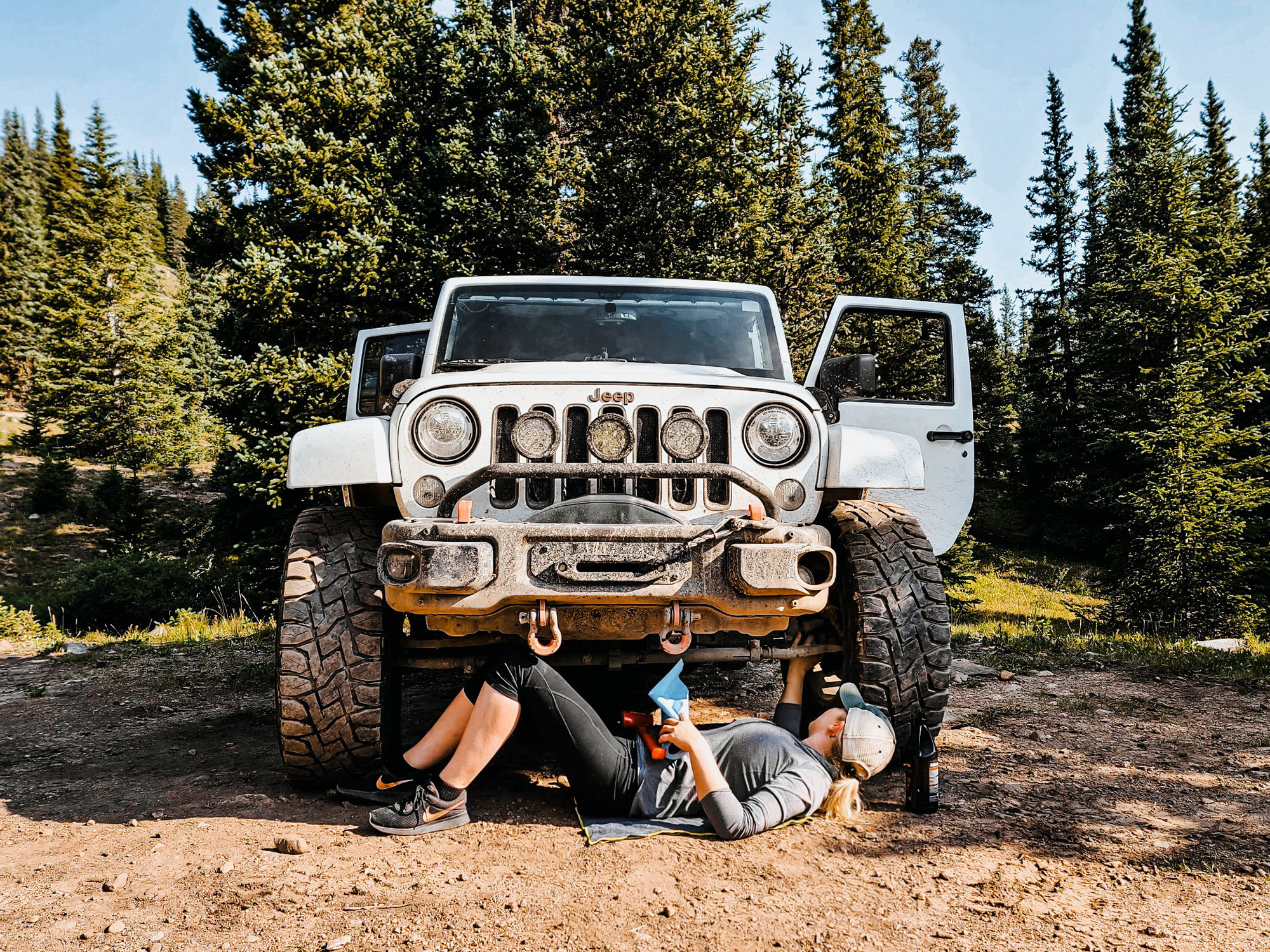
Other parts that are really important to have are skidplates or armor to protect the more vulnerable parts on your vehicle. I run the Quadratec Aluminum Skid Plate and QRC Rock Rails. I also make sure to do a daily morning check under my Jeep before we start driving to make sure nothing has come loose or is leaking.
Tools:
I make sure I have proper tools for traveling. I keep wrenches, sockets, torque wrench, breaker bar, pliers, a jack, a deadblow, screwdrivers, Torx bits, hex wrenches, mini grease gun, shovel, knives, flashlights, fire extinguisher (you should always have one within reach and one in the rear as well), various tie-down straps and bungees, and a jump pack just in case the battery acts up.
Recovery Gear:
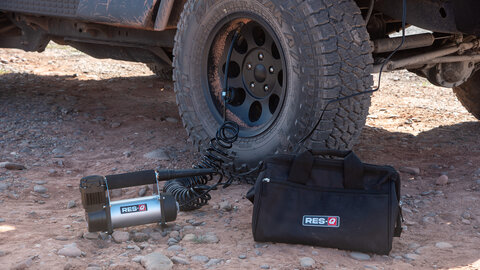
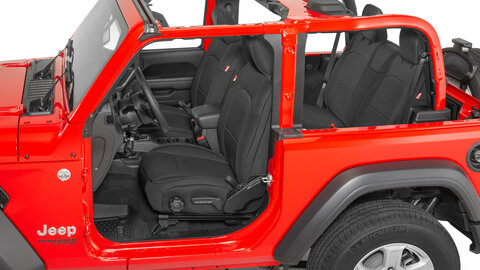
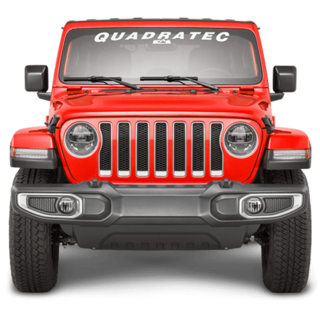
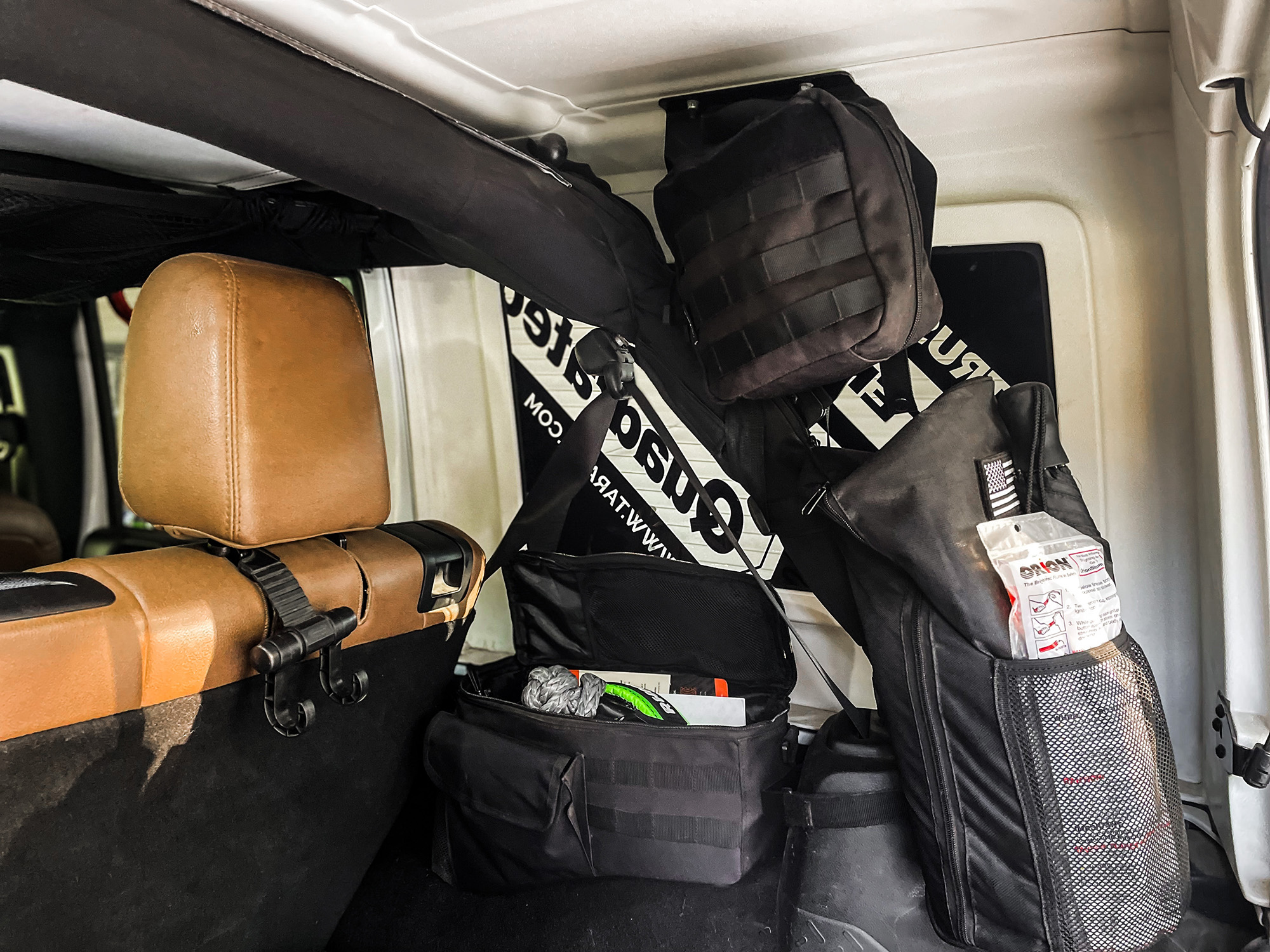
One of the more important recovery items you can put on your Jeep is a winch (I use a Quadratec Q-Performance Stealth Winch in my front bumper). But there are numerous other recovery items that are crucial as well such as tow straps, tree saver, shackles, traction boards, an ax, and portable air compressor. Also, all of my recovery gear fits into storage bags in the back that attach to my roll bars. This ensures everything is safely stowed in case of a driving mishap.
GPS/Mapping:
One of your most used tools when off-roading is likely to be your GPS system or favorite Map app. There are a variety out there that are amazing and detailed, and can help you find trails or remote campsites. Some of my favorites to consider — Trails Off Road, OnXOffroad, Gaia and iOverlander. If you don’t feel like searching Google Earth for hours to find the perfect magical campsite, all of those apps make it super simple and have many marked for you along with photos.
One thing to always keep in mind when overlanding — you should never head out to any remote area that is outside of cell service range without having a communication device like a Spot or Garmin locator. They are a vital tool if an emergency arises and medical care is needed.
Another is to always download these applications before you leave and make sure to carry a paper map backup as well.
Radio:
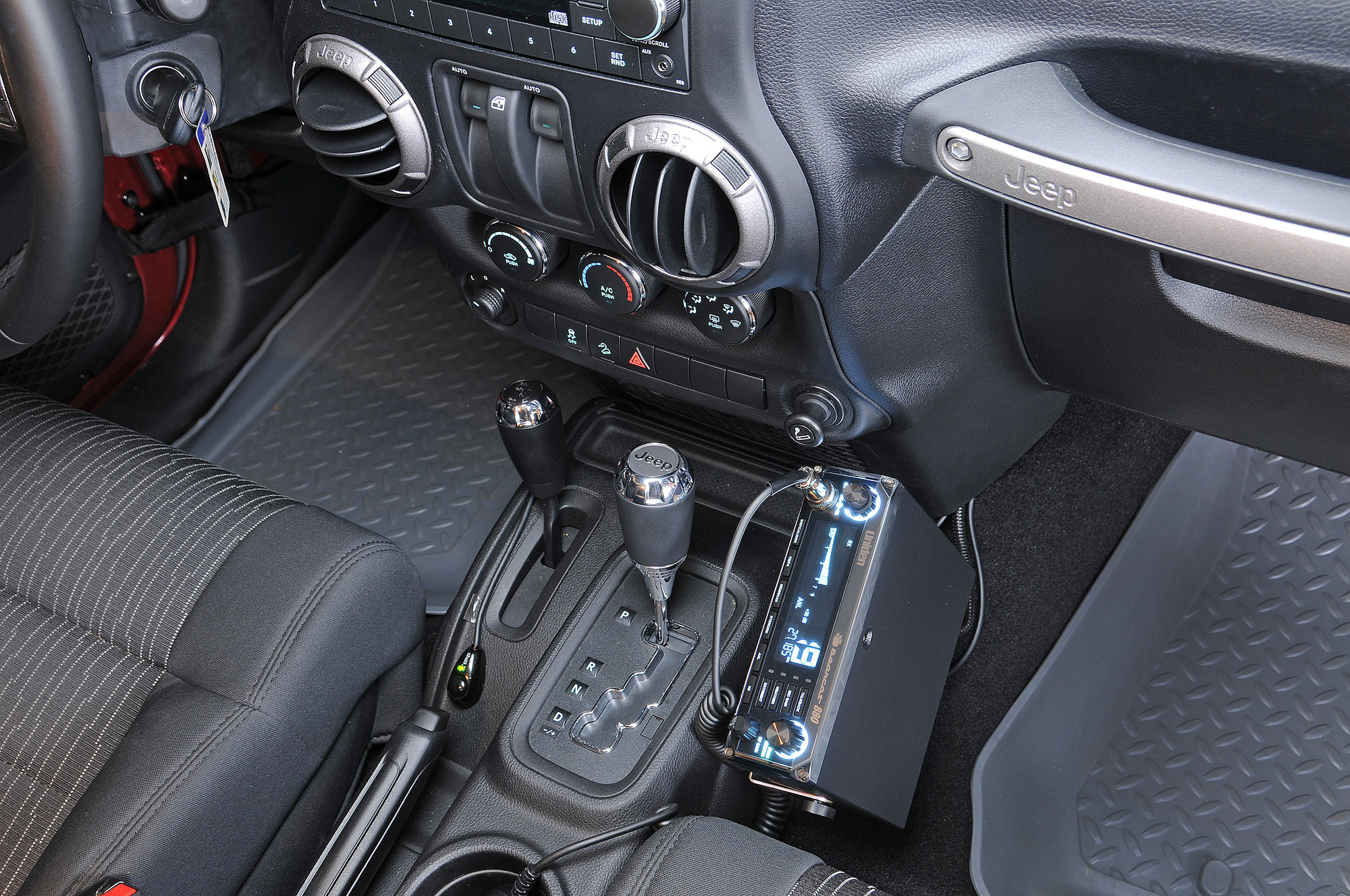
Along with a location device, being able to communicate via radio is important especially if you are in a group. Walkie-talkies and a basic GMRS radio are all you really need and there are plenty of options for those. I carry the Midland basic walkie set and micro mobile radio.
First Aid:
I have two boys, so it goes without saying that our first aid kit sees a lot of use. However, if you are heading into more remote areas, then a general first aid kit isn’t going to suffice. You need a kit that also includes a trauma pack and tourniquet, blood clotting packs, splits, EpiPen, at least a week's worth of any medications you require, and of course the basic CPR and medical training required to use all of the above.
Miscellaneous:
Other things that you should include in your vehicle along with the first aid kit are emergency blankets, ponchos, water (a good rule of thumb is to carry one gallon of water per person per day), matches/lighters, flashlights, sunscreen, bug spray, bear spray, water filter like a LifeStraw, and an extra power source/battery. Solar panels are an awesome option, but not a necessity.
Other Articles That May Interest You:
Best Tools For Your Off-Road Recovery Kit